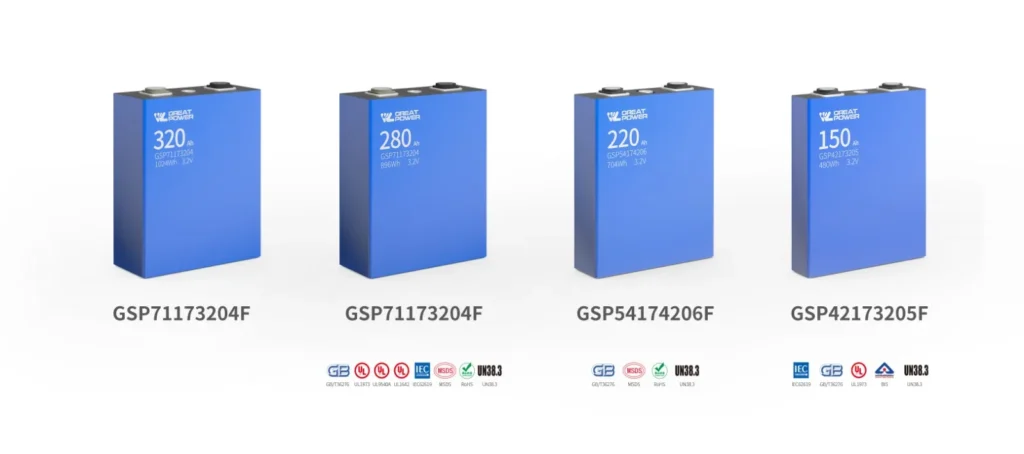
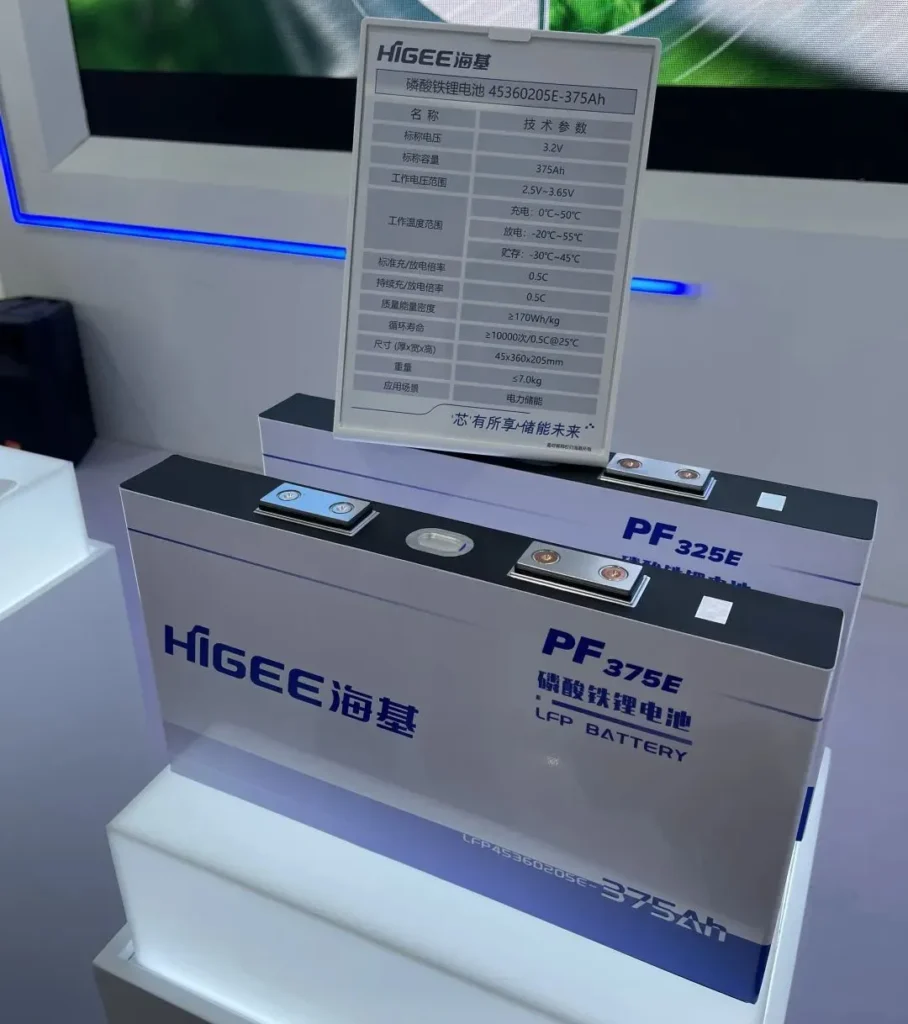
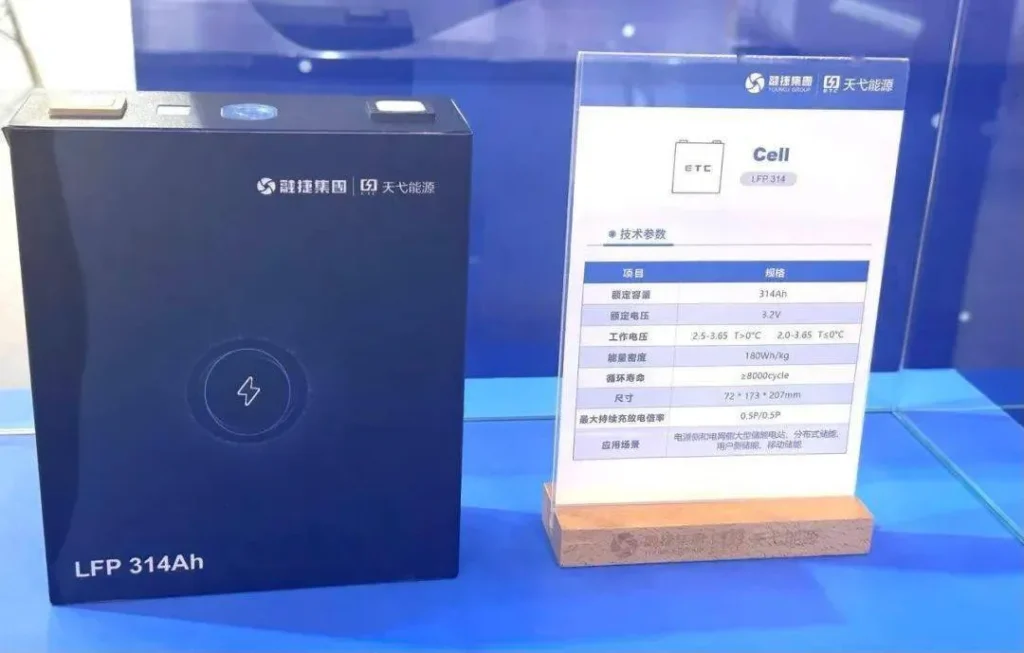
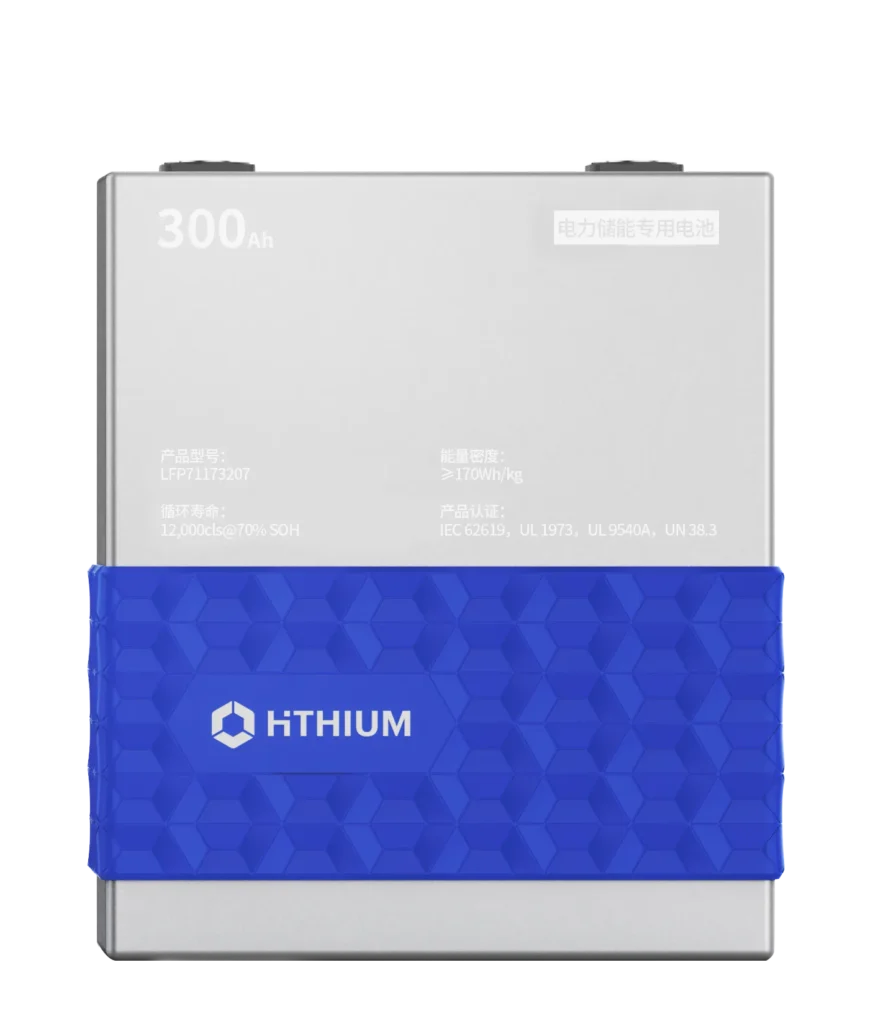
If you are looking for a reliable, powerful and cost-effective battery for your solar system, you might be wondering which one to choose: the LIFEPRO 51.2v 100ah or the Pylontech US5000B. Both are lithium iron phosphate (LFP) batteries that offer high energy density, long cycle life and safety features. But which one is better for your needs? In this blog post, we will compare the two batteries and show you why the LIFEPRO 51.2v 100ah is the superior choice.
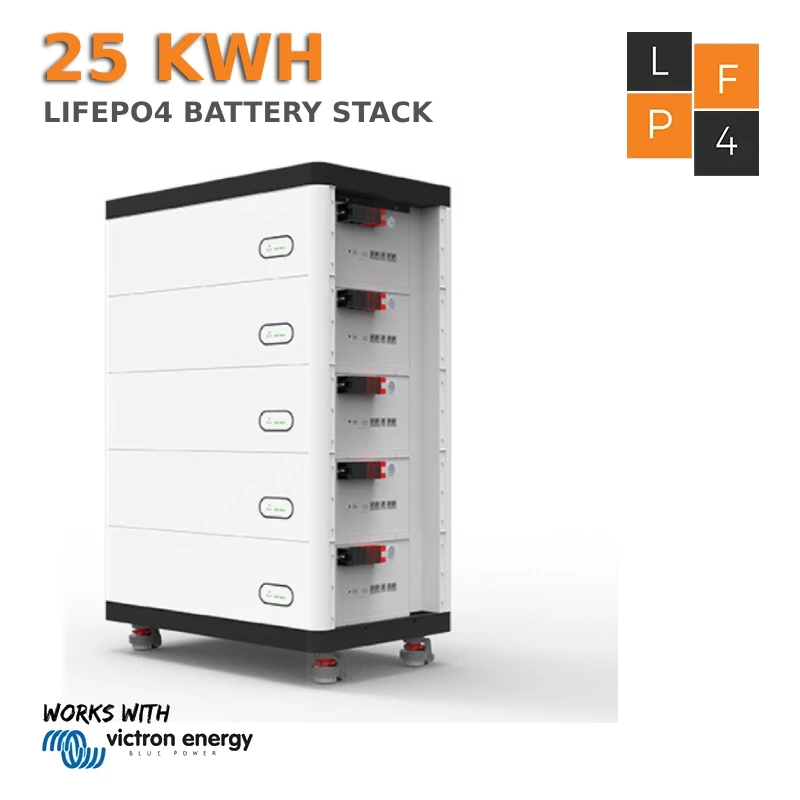
LifePro 48v Lifepo4 battery
First, let’s look at the capacity and voltage of the two batteries. The LIFEPRO 51.2v 100ah has a nominal capacity of 100 ampere-hours (Ah) and a nominal voltage of 51.2 volts (V). This means that it can store up to 5.12 kilowatt-hours (kWh) of energy. The Pylontech US5000B, on the other hand, has a nominal capacity of 95 Ah and a nominal voltage of 48 V. This means that it can store up to 4.56 kWh of energy. As you can see, the LIFEPRO 51.2v 100ah has a higher capacity and voltage than the Pylontech US5000B, which means that it can provide more power and run longer for your appliances and devices.
Second, let’s look at the efficiency and performance of the two batteries. The LIFEPRO 51.2v 100ah has a round-trip efficiency of over 95%, which means that it can deliver more than 95% of the energy that it receives from the solar panels or the grid. The Pylontech US5000B, on the other hand, has a round-trip efficiency of only 90%, which means that it can deliver only 90% of the energy that it receives from the solar panels or the grid. This means that the LIFEPRO 51.2v 100ah wastes less energy and saves you more money on your electricity bills.
The LIFEPRO 51.2v 100ah also has a better performance in terms of discharge depth and temperature range. The LIFEPRO 51.2v 100ah can discharge up to 80% of its capacity without affecting its lifespan, which means that it can use more of its stored energy before needing to recharge. The Pylontech US5000B, on the other hand, can discharge only up to 70% of its capacity without affecting its lifespan, which means that it can use less of its stored energy before needing to recharge. This means that the LIFEPRO 51.2v 100ah gives you more flexibility and convenience in managing your energy consumption.
The LIFEPRO 51.2v 100ah also has a wider temperature range than the Pylontech US5000B. The LIFEPRO 51.2v 100ah can operate in temperatures ranging from -20°C to +60°C, which means that it can withstand extreme weather conditions and function well in different climates. The Pylontech US5000B, on the other hand, can operate in temperatures ranging from -10°C to +50°C, which means that it is more sensitive to temperature fluctuations and may not work well in some environments. This means that the LIFEPRO 51.2v 100ah is more durable and reliable than the Pylontech US5000B.
Third, let’s look at the warranty and price of the two batteries. The LIFEPRO 51.2v 100ah comes with a generous warranty of 10 years or 6000 cycles, whichever comes first. This means that you can enjoy peace of mind knowing that your battery is covered for a long time and that you can get free replacement or repair if anything goes wrong with it within that period. The Pylontech US5000B, on the other hand, comes with a shorter warranty of only 7 years or 4500 cycles, whichever comes first. This means that you have less protection and assurance for your battery and that you may have to pay extra for maintenance or replacement if anything goes wrong with it after that period.
The LIFEPRO 51.2v 100ah also has a lower price than the Pylontech US5000B. The LIFEPRO 51.2v 100ah costs from only $2000 AUD per unit, which means that you can get more value for your money and save more on your initial investment. The Pylontech US5000B, on the other hand, costs about $3000 AUD per unit, which means that you have to pay more for a lower quality battery and spend more on your upfront cost.
As you can see, the LIFEPRO 51.2v 100ah is better than the Pylontech US5000B in every aspect: capacity, voltage, efficiency, performance, warranty and price. The LIFEPRO 51.2v 100ah is the ultimate battery for your solar system that will give you more power, more savings and more satisfaction. Don’t settle for less, choose the LIFEPRO 51.2v 100ah today and enjoy the benefits of a superior battery for years to come.
If you’re thinking of buying a solar battery for your home, our helpful article on real solar batteries and prices in Australia in 2025, you might be wondering how much it will cost and what size you need. In this educational blog post, we’ll give you some guidance on how to compare solar battery prices and sizes in Australia based on battery capacity, brand, and the state in which you live.
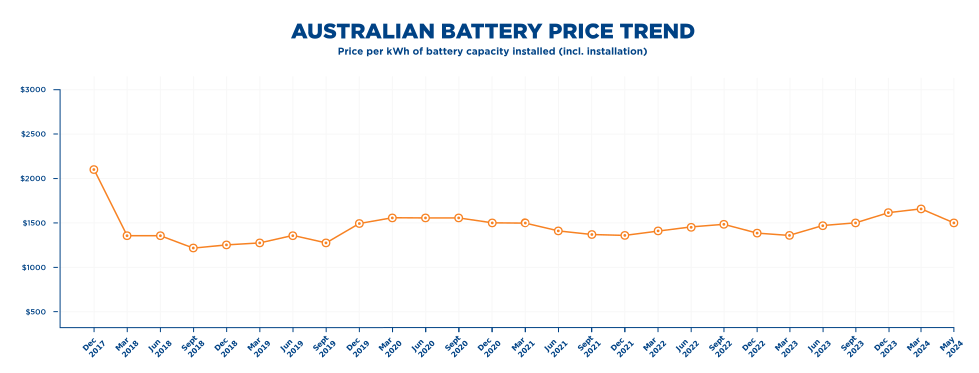
Solar battery prices vary depending on the storage capacity, which is measured in kilowatt-hours (kWh). The more kWh a battery can store, the more electricity it can provide for your home when the sun is not shining. The average solar battery price in Australia is approximately $700-900per kWh of storage, excluding installation costs. We think that is still much too expensive, our batteries are usually around 20-50% lower in price, yet better quality in most cases.
The price of a solar battery in Australia usually ranges from $3,500 to $15,000 or more, depending on the specifications. Below is a general breakdown based on capacity:
Battery Capacity
Price Range (AUD)
5 kWh
$3,500 – $5,000
10 kWh
$7,000 – $10,000
15 kWh
$8,000 – $15,000+
20 kWh and above
$15,000 – $25,000+
Prices include the battery unit but usually not installation. Installation can cost an additional $1,000 to $3,000, depending on the complexity.
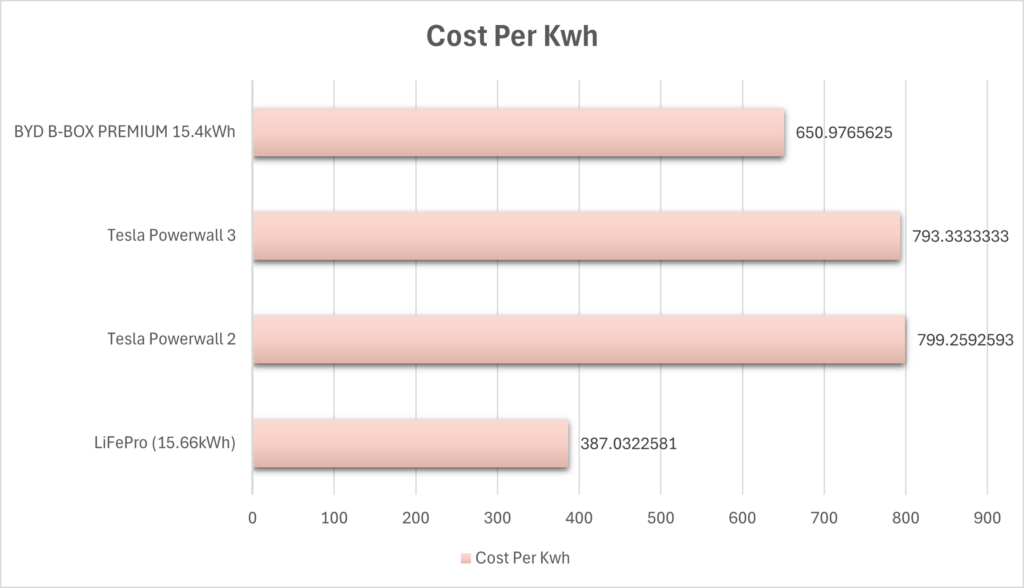
Tesla’s Powerwall 2 and 3 costs around $13,500 for a 13.5 kWh battery ($1000 AUD per kwh), while SunGrow’s SBR096 costs around $8499 for a 9.6 kWh battery (about $900AUD per kwh).
The price per Kwh of Tesla Powerwall vs BYD, vs Lifepo4 Australia LiFePro 306ah 48v
However, the solar battery price also depends on the brand and model of the battery. Some brands, such as Tesla, LG Chem, and Sonnen, are more expensive than others, such as SunGrow and Growatt. Several factors are at play in this pretty new market.
Brand
Intelligence of Software
Quality of components
Inbuilt inverter (tesla)
Warranty period
Who you buy your solar system from
You should compare different brands and models to find the one that suits your needs and budget.
Some of our batteries offer a cost of approximately $384 AUD per kwh. Such as the our Lifepro 15.5kwh off grid battery which starts at $5999!
Paired with a High Quality CEC Inverter our battery can give you high end features, at a fraction of the cost.
Why? We are a small business with far lower operating costs. We dont need to support expensive sales people, or large numbers of accounting staff.
The price per Kwh of Tesla Powerwall vs BYD, vs Lifepo4 Australia LiFePro 306ah 48v
Its a walled garden, a well established channel of sales funneled through existing distributors and supplers. this allows most solar companies, to sell you what they profit most from, and nothing else. It’s very anti-competitive and very much about profit margins for the owners and salespeople of these companies.
Another factor that affects the solar battery price is the state where you live. Some states, such as South Australia and Victoria, did offer rebates and incentives for installing solar batteries, which could reduce the upfront cost significantly. Other states, such as Queensland and New South Wales, have higher electricity prices, which can increase the savings from using a solar battery. You should check the eligibility criteria and availability of rebates and incentives in your state before buying a solar battery.
Performance: The performance (lifespan) of a solar battery depends on its efficiency, depth of discharge (DoD), cycle life, and backup capability. Efficiency is how much energy the battery can deliver compared to how much energy it receives from the solar panels. The higher the efficiency, the less energy is wasted during charging and discharging. LiFePO4 excels with efficiency. Especially compared to Lead based batteries. Anyone spruking Lead based batteries, really has very little knowledge of total cost of ownership and performance, and therefor should be immediately ignored.
Depth of discharge is how much of the battery’s capacity can be used before it needs to be recharged. The higher the DoD, the more energy you can use from the battery. Cycle life is how many times the battery can be fully charged and discharged before its capacity drops below a certain level. The longer the cycle life, the longer the battery will last. Backup capability is whether the battery can provide power to your home during a blackout or when the grid is down. Not all batteries have this feature, so you should check if this is important to you.
To sum up, solar battery prices and sizes in Australia depend on several factors, such as storage capacity, brand, model, and state. You should do your research and compare different options to find the best solar battery for your home.
Luxpower SNA5000: A Smart Choice for Off-Grid Living in Australia
If you are looking for a reliable and efficient off-grid or hybrid solar system, you might want to consider the Luxpower SNA5000 inverter. This inverter is designed to work with LiFePO4 batteries, which are known for their long lifespan, high safety, and low maintenance. In this blog post, we will review the features and benefits of the Luxpower SNA5000 inverter and explain why it is a smart choice for off-grid living in Australia.
This image is a great example of how an offgrid inverter works by storing the energy when the solar array is taking charge in the day time and the battery is discharging at night.
What is the Luxpower SNA5000 inverter?
The Luxpower SNA5000 is a 5kW 48V off-grid or hybrid inverter that can manage your entire solar system. It has two high-voltage MPPTs that can handle up to 6000W of PV input, and a wide PV input voltage range of 120-550V. It can also connect to the grid and use grid power to charge your batteries or supplement your loads when needed.
The Luxpower SNA5000 inverter is compatible with a wide range of lithium batteries, including LiFePO4 batteries from Lifepo4 Australia. LiFePO4 batteries are ideal for off-grid applications because they have a high energy density, a long cycle life, a low self-discharge rate, and a high tolerance to temperature variations. They are also safer than other types of lithium batteries because they do not catch fire or explode when overcharged or damaged.
The Luxpower SNA5000 inverter has an intelligent off-grid and hybrid mode that can automatically switch between different power sources according to your needs and preferences. You can set the priority of PV, battery, or grid power, and adjust the charging and discharging parameters of your battery. You can also use PV and AC power simultaneously to power your loads, which can reduce your dependence on the grid and save you money on electricity bills.
The Luxpower SNA5000 inverter is easy to use and monitor with its LCD display and free online monitoring platform. You can access real-time data and historical records of your system performance, battery status, load consumption, and environmental impact. You can also remotely upgrade your inverter firmware and receive alerts and notifications of any faults or errors.
The Luxpower SNA5000 inverter can also work in parallel with up to nine other units, giving you the flexibility to expand your system capacity up to 50kW. This feature is useful for larger installations or applications that require more power. The parallel connection is simple and stable, with no need for extra communication devices or cables.
Why choose the Luxpower SNA5000 inverter for off-grid living in Australia?
The Luxpower SNA5000 inverter is a smart choice for off-grid living in Australia because it offers several advantages over other inverters on the market. Here are some of the reasons why you should choose the Luxpower SNA5000 inverter for your off-grid or hybrid solar system:
It is compatible with LiFePO4 batteries from Lifepo4 Australia, which are durable, safe, and eco-friendly.
It has a high PV input capacity and a wide PV input voltage range, which allows you to use more solar panels and harvest more solar energy.
It has an intelligent off-grid and hybrid mode that can optimize your power usage and reduce your reliance on the grid.
It has a free online monitoring platform that lets you monitor and control your system remotely from anywhere.
It has an advanced parallel function that lets you scale up your system easily and cost-effectively.
How to buy the Luxpower SNA5000 inverter from Lifepo4 Australia?
If you are interested in buying the Luxpower SNA5000 inverter from Lifepo4 Australia, you can contact us through our website or phone number. We are a leading supplier of LiFePO4 batteries and inverters in Australia, with over 10 years of experience in the industry. We offer competitive prices, fast delivery, professional installation, and excellent after-sales service.
We can help you design and install a customized off-grid or hybrid solar system that suits your needs and budget. We can also provide you with technical support and advice on how to use and maintain your system properly. We are committed to providing you with quality products and services that will make your off-grid living more comfortable and sustainable.
So what are you waiting for? Contact us today and get ready to enjoy the benefits of the Luxpower SNA5000 inverter from Lifepo4 Australia!
Published: December 26, 2023 | Updated: March 1, 2025
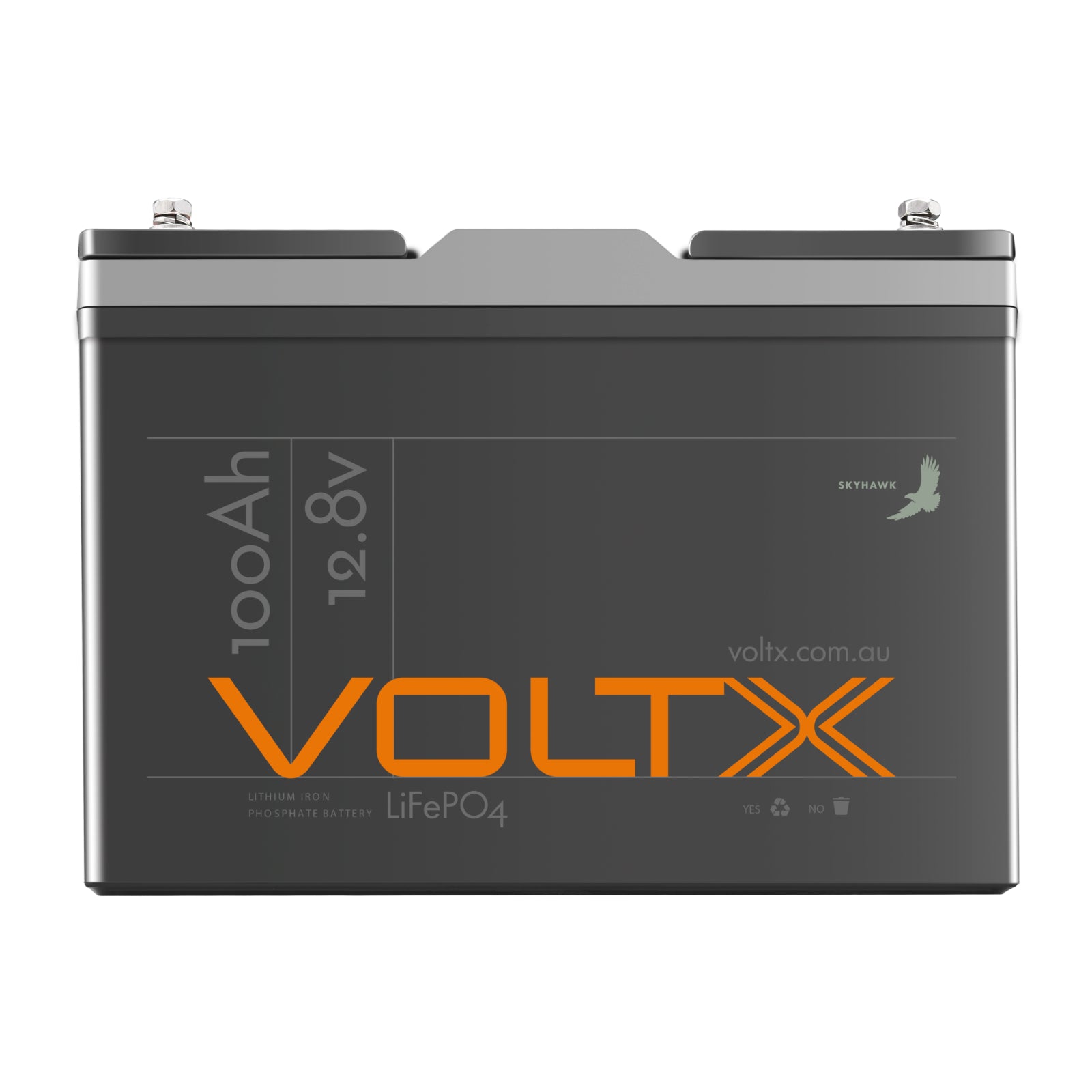
Lithium Iron Phosphate (LiFePO4) batteries have become a game-changer for off-grid enthusiasts, campers, and 4WD adventurers across Australia. Among the most popular options in 2025 are the Kings 12V 120Ah Lithium LiFePO4 Battery and the VoltX 12V 100Ah LiFePO4 Basic Lithium Battery. Both are affordable, reliable, and widely available, but they cater to slightly different needs. Let’s dive into an updated comparison to help you decide which one suits your setup best.
Kings 120Ah Lithium LiFePO4 Battery Review
The Kings 12V 120Ah Lithium LiFePO4 Battery, offered by 4WD Supacentre, remains a staple for those seeking a dependable, budget-friendly energy solution in 2025. Here’s what it brings to the table:
Key Features:
Capacity: 120Ah – offering a bit more juice than its VoltX counterpart.
Chemistry: LiFePO4 with prismatic cells (approx. 3000-cycle rating individually, though pack performance varies).
Weight: Approximately 15kg – lightweight compared to AGM alternatives.
Cycle Life: Rated for 2000+ cycles at 80% depth of discharge (DoD).
Battery Management System (BMS): Integrated BMS with thermal protection, overload management, and high/low voltage cutoff.
Connectivity: Supports up to 2 batteries in parallel or 4 in series.
Warranty: 12 months – very short but price reflects warranty
Price (2025 Estimate): Around AUD $499 (up from $449 in 2023 due to inflation and supply chain adjustments).
Pros:
Larger 120Ah capacity means more runtime for power-hungry setups.
Widely available through 4WD Supacentre’s extensive retail network, offering easy customer support.
Solid BMS ensures safety and reliability for off-grid use.
Great value for the price – still one of the cheapest LiFePO4 options per Ah in 2025.
Cons:
No Bluetooth or app-based monitoring – a basic battery with no frills.
12-month warranty is shorter than premium brands (though fair for the cost).
Some users report variability in long-term performance, possibly due to non-automotive-grade cells.
Best For:
Campers, boaters, or overlanders who need a reliable, no-nonsense battery for off-grid adventures without breaking the bank. In 2025, it’s still a top pick for those prioritizing capacity over advanced features.
Recommendation: We 100% recommend the Kings 120Ah for budget-conscious users who don’t need fancy extras. There are better batteries out there, but few match this price-to-performance ratio.
The VoltX 12V 100Ah LiFePO4 Basic Lithium Battery, sold by Outbax, continues to impress with its simplicity and performance in 2025. Here’s the latest rundown:
Capacity: 100Ah – slightly less than the Kings but still ample for most light applications.
Chemistry: LiFePO4 with A-grade prismatic cells.
Weight: Around 11kg – lighter than the Kings, making it easier to move.
Cycle Life: Advertised at 4000 cycles (though real-world testing suggests 2000-3000 cycles at 80% DoD).
Battery Management System (BMS): Integrated BMS protects against overheating, overcharging, and short circuits.
Connectivity: Officially not recommended for parallel/series connections, though some users report success with parallel setups.
Warranty: 36 months – a big step up from Kings.
Price (2025 Estimate): Around AUD $429 (up from $399 in 2023, reflecting market trends).
Pros:
Lightweight and compact – ideal for portable setups.
Longer 36-month warranty offers peace of mind.
Positive user feedback for reliability, especially with solar charging.
Outperforms AGM batteries in charging speed and weight.
Cons:
100Ah capacity limits its use for larger setups compared to the Kings.
No Bluetooth or advanced monitoring – like the Kings, it’s a basic battery.
Mixed messaging on parallel/series connections could confuse users.
User Feedback (Updated for 2025):
Richard B. (Adelaide, SA): “Still faultless after 18 months. Runs my 40L and 60L fridges for days via solar. Best bang for buck in 2025.”
Anonymous (VIC): “Perfect for my off-grid cabin. Charges fast and weighs next to nothing compared to my old AGM.”
Tom H. (QLD): “Outlasts my old lead-acid by miles. Two years in, and it’s still going strong.”
Best For:
Light off-grid applications like small fridges, LEDs, or solar-powered setups where portability and warranty matter more than raw capacity.
Head-to-Head Comparison (2025)
Feature
Kings 120Ah
VoltX 100Ah
Capacity
120Ah
100Ah
Weight
~15kg
~11kg
Cycle Life
2000+ cycles
2000-3000 cycles
BMS
Yes (basic)
Yes (basic)
Connectivity
2 parallel / 4 series
Not recommended
Warranty
12 months
36 months
Price (2025)
~AUD $499
~AUD $429
Availability
4WD Supacentre (online and retail stores)
Outbax (online-focused)
Key Differences in 2025:
Capacity: Kings wins with 120Ah vs. VoltX’s 100Ah – a 20% edge for bigger loads.
Weight: VoltX is lighter by 4kg, a bonus for portability.
Price: Kings is slightly more expensive, but you get more capacity per dollar.
Support: Kings’ physical stores offer an edge over VoltX’s online-only model.
Which Should You Choose in 2025?
Choose Kings 120Ah if:
You need more capacity for larger fridges, inverters, or multi-day trips.
You value in-person support and availability at 4WD Supacentre locations.
Budget is tight, and you’re okay with a shorter warranty.
Choose VoltX 100Ah if:
Portability and lighter weight are priorities.
You want a longer warranty for peace of mind.
Your setup doesn’t demand more than 100Ah (e.g., small solar or camping rigs).
Final Thoughts
In 2025, both the Kings 120Ah and VoltX 100Ah LiFePO4 batteries remain solid choices for budget-conscious Aussies ditching lead-acid batteries. Neither offers Bluetooth or premium features, but they deliver where it counts: reliable power at a fair price. Kings edges out for capacity and retail presence, while VoltX shines with its warranty and portability.
For most casual users, the Kings 120Ah is our top pick unless the VoltX’s lighter weight or longer warranty sways you. Either way, you’re getting a dependable LiFePO4 battery that’ll outlast AGM options every day of the week.
Breaking this is likely the most important news to hit the DIY Solar and Lithium Lifepo4 Battery Off Grid community in 10 years. This really is going to upset the YouTube community apple cart. Especially that guy that lives in Australia who isn’t even Australian.
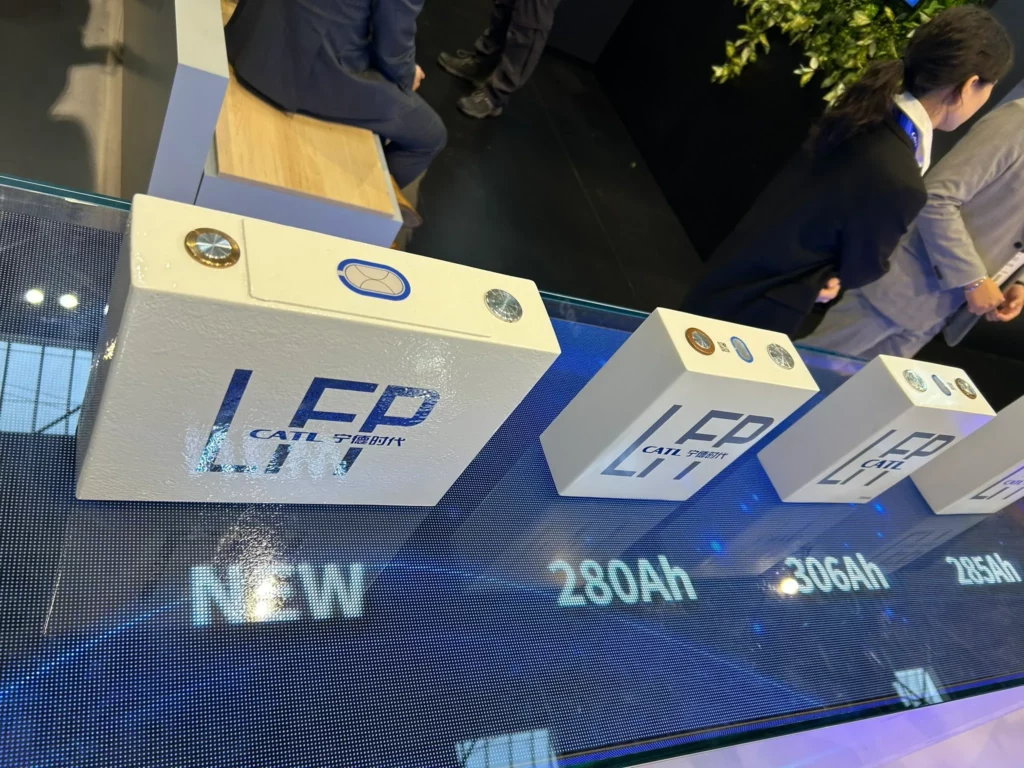
Currently, 280Ah and 300ah cells are the mainstream in Lifepo4 Batteries, but with the acceleration of technological iteration, the improvement to battery cathode and electrolyte technology in the past few years, over 20 types of high-capacity cells above 300Ah have emerged, these cells will take considerable time to enter the retail and B grade markets, but they are coming in 2024 and 2025. Some of these cells can be purchased now in very large quantity, but for the average joe, building batteries at home DIY style the best mix of value and performance still likes in the 280ah capacity cells over the next few months.
Super Large Capacity LiFePO4 Cells
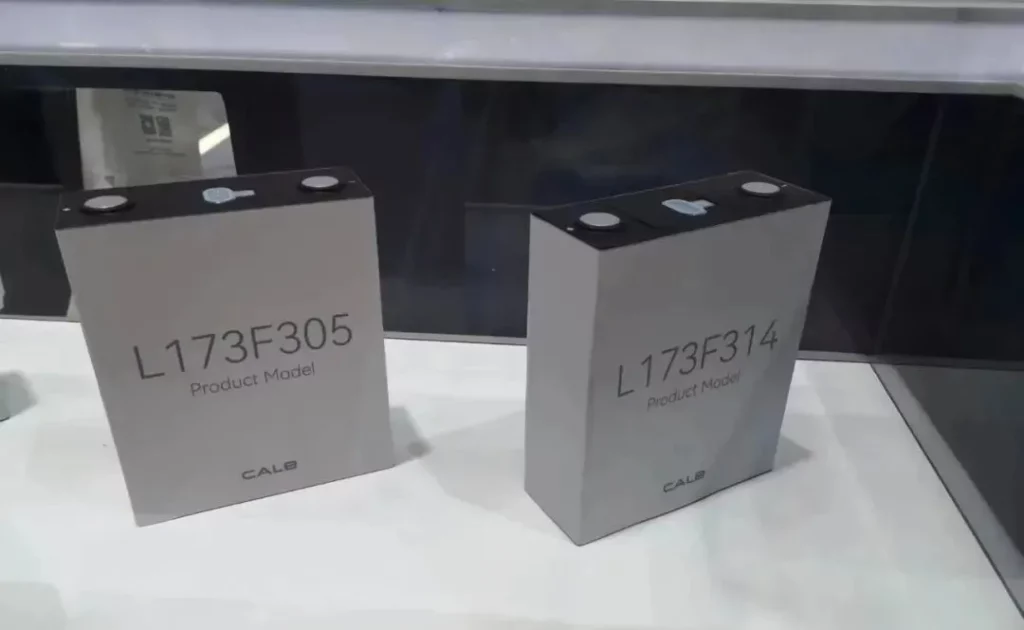
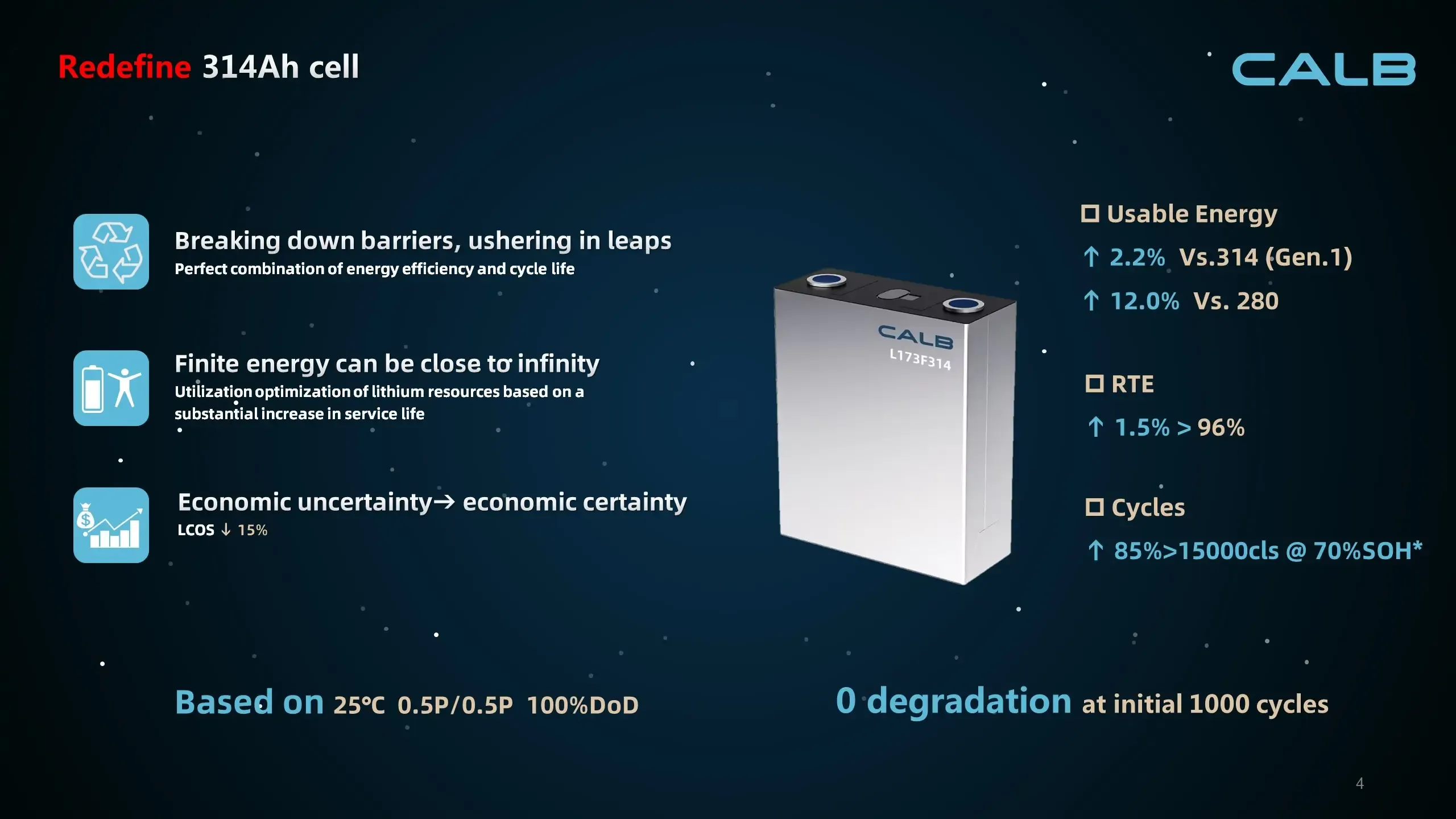
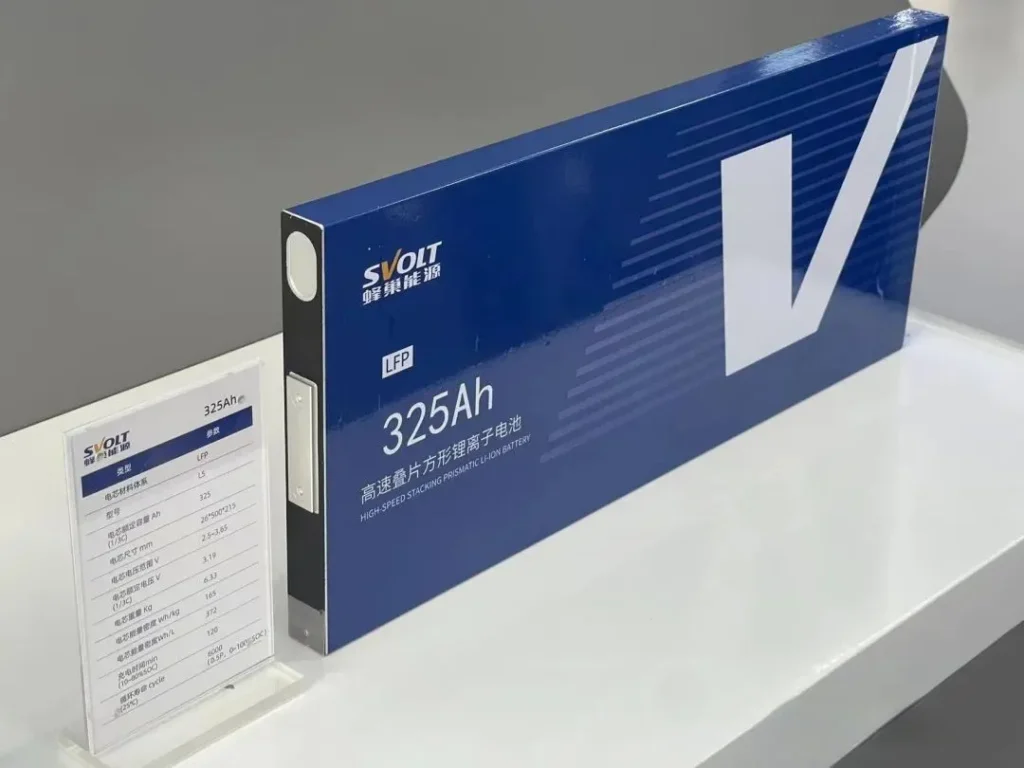
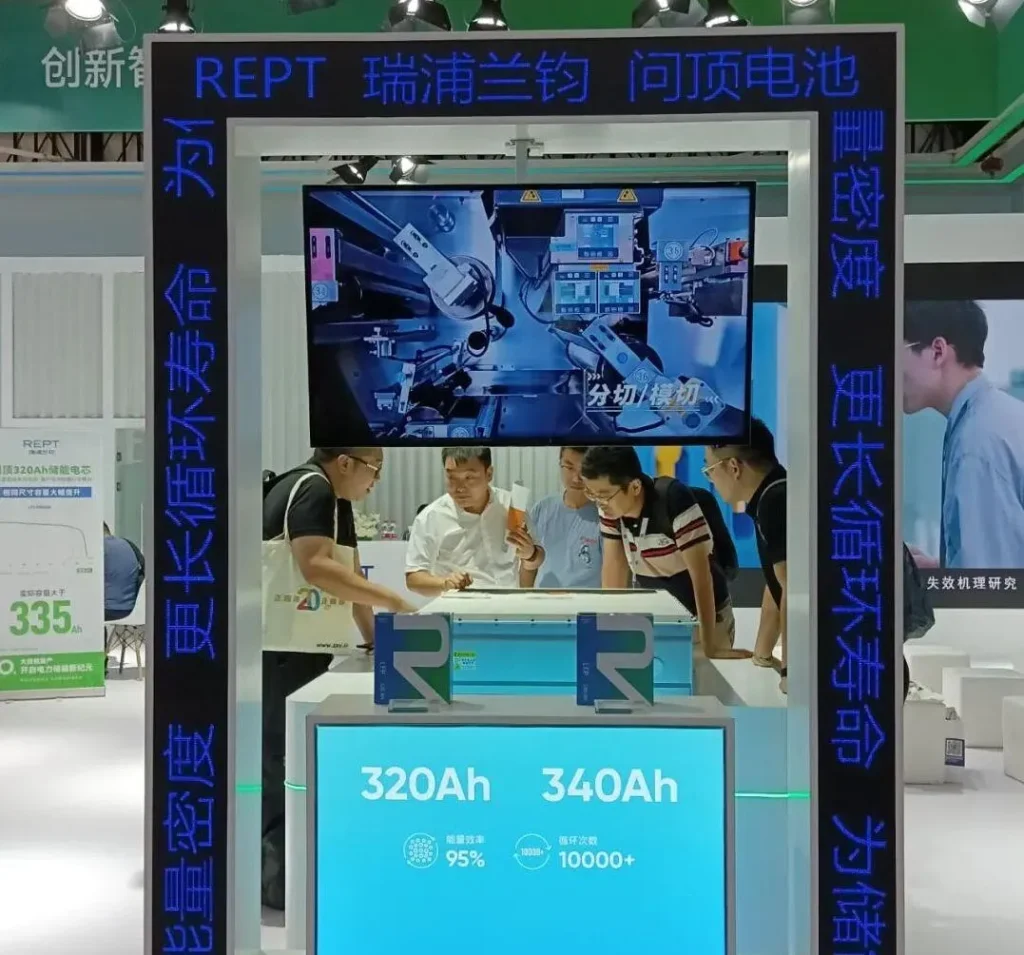
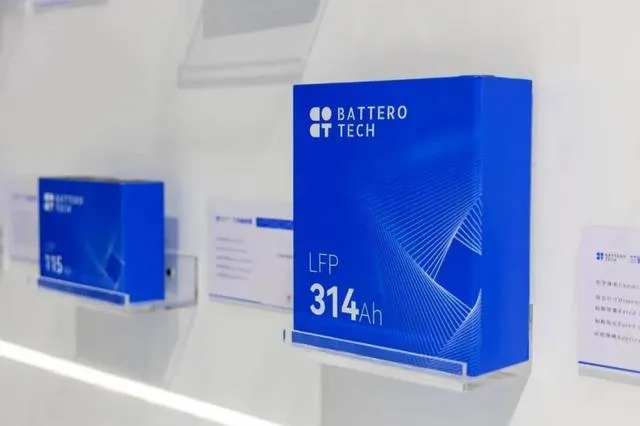
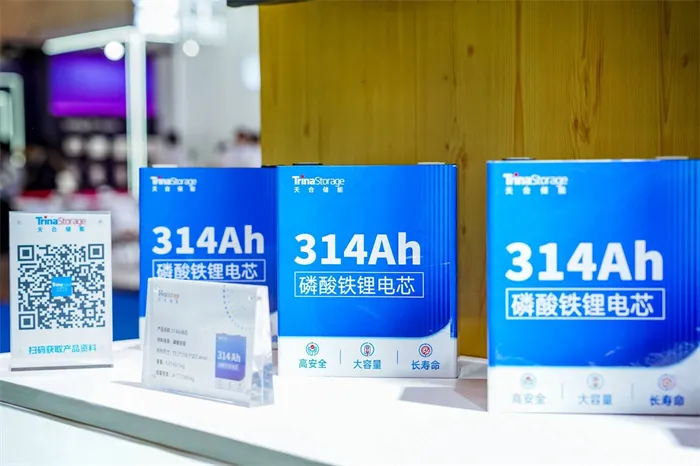
With the rapid development of the energy storage industry, the market demand for cells continues to outpace supply. Many companies are increasing cell capacity through technological iteration. Cell capacity is growing larger, from 306ah to 314Ah, 320Ah, 340ah and 360ah and then to 500ah 560Ah and 580ah cells
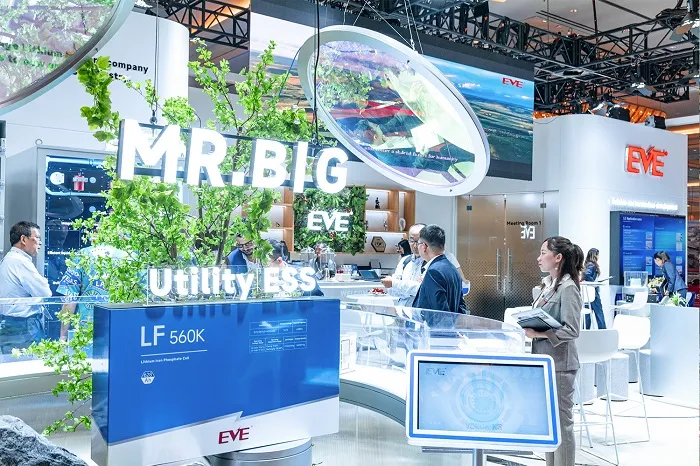
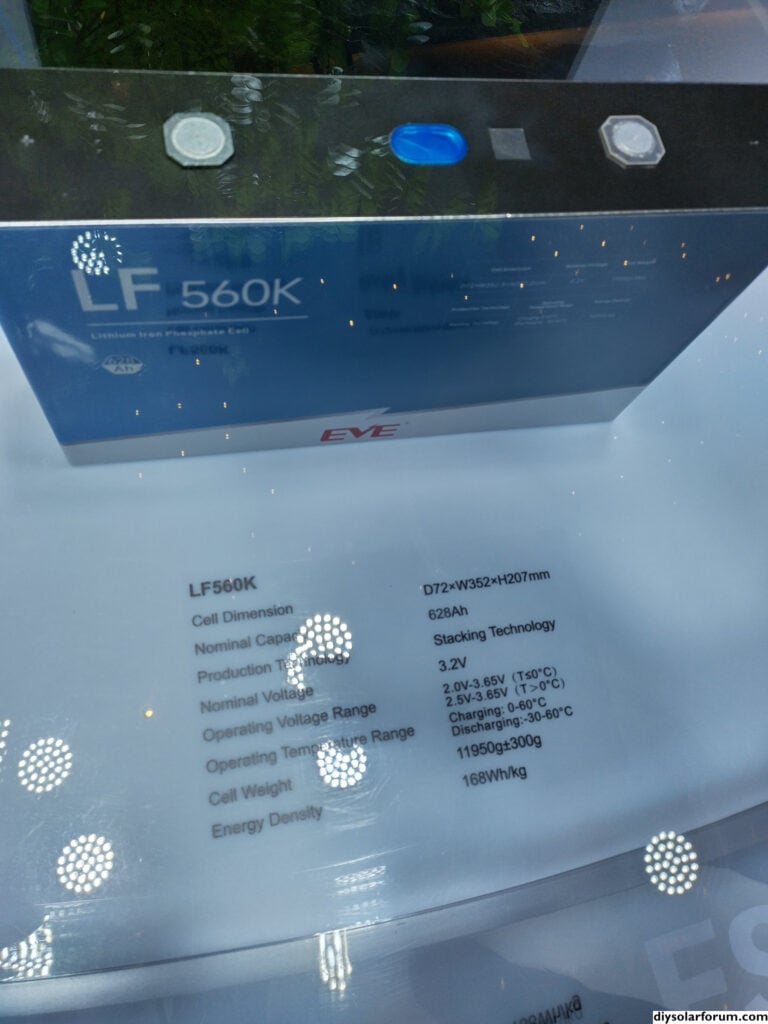
EVE LF560K (628Ah) LiFePO4 Cells
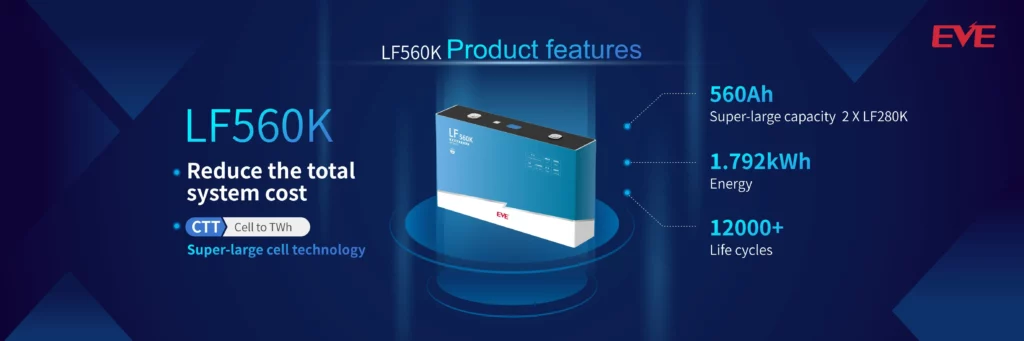
Last year, EVE Energy launched the LF560K battery, adopting cutting-edge Cell to TWh (CTT) technology tailored for TWh-scale energy storage applications. This enables extremely streamlined system integration and dual reduction in costs at both the cell and system levels. Global delivery is expected to commence in Q2 2024.
Keep in mind the DIY community won’t likely see these cells until at least 2025.
EVE LF560K (628Ah) LiFePO4 Cells
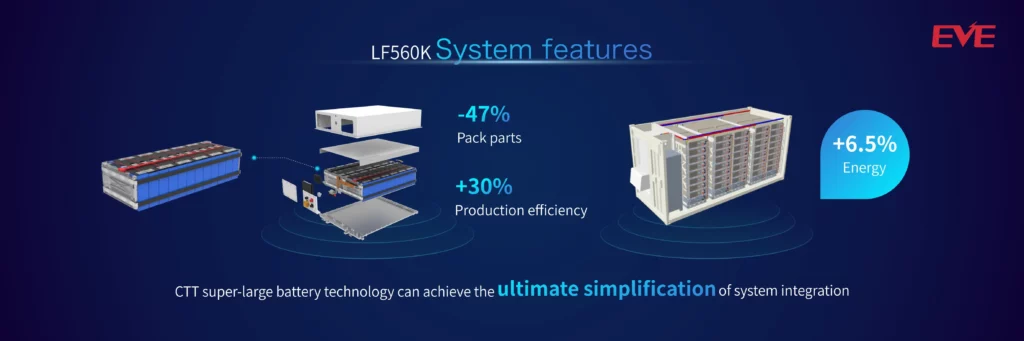
Compared to the LF280K battery, the LF560K battery can reduce components like busbars by almost half, whilst improving production efficiency by 30%. Container energy density can be increased by 6.5% allowing for lower costs for customers.
To address the key technological challenges facing the manufacture of ultra-large battery cells, EVE Energy has adopted a “stacking technique” to resolve issues with current collection and manufacturability in the LF560K battery’s electrode and current conductor design. Because the number of tabs per winding is doubled, solving the current collection problem and reducing DC IR by 8%. Prismatic sheet stacking replaces winding, doubling the single electrode sheet length, yields a 3% increase in total cell production .
The LF560K battery represents EVE Energy’s relentless pursuit of innovation and quality, built upon over 21 years of extensive experience in the battery industry and the strong R&D capabilities of its 3,100-member research team.
Currently, the mainstream energy storage cells on the market are 280Ah rectangular aluminum-cased cells. Many manufacturers are also reducing costs for downstream customers by improving cell volumetric density – that is, increasing capacity density per unit volume.
The 560Ah cell essentially doubles the common 280Ah rectangular cell size, equivalent to placing two 280Ah cells side-by-side. This aims to reduce PACK components and achieve cost reduction.
Although the 560Ah cell is not yet EVE Energy’s primary product, it has embarked on the path to commercialization. On February 1 this year, EVE Energy broke ground on its new “60 GWh Power Energy Storage Battery Super Factory” in Jingmen, Hubei, with 10.8 billion RMB investment. This factory will mass-produce the 560Ah energy storage cell. The 560Ah cell is expected to commence global delivery in Q2 2024.
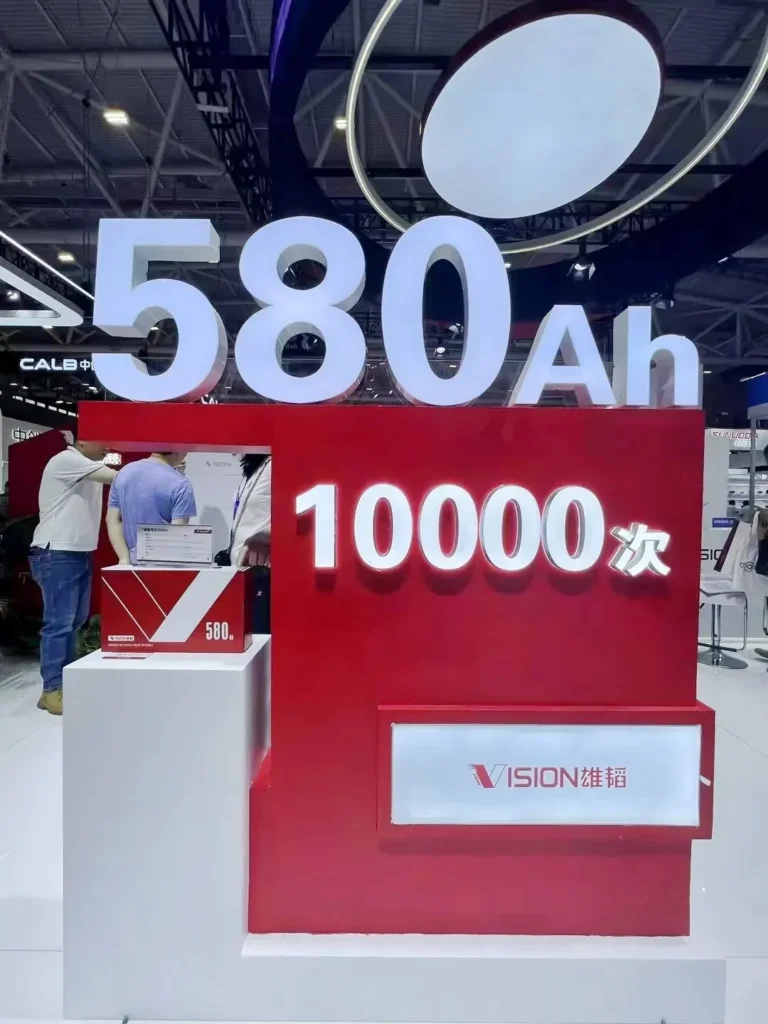
Vision 580Ah LiFePOP4 Cell
On May 16, China’s largest battery exhibition, CIBF 2023, opened in Shenzhen. Thunder Corporation prominently displayed an ultra-high capacity cell.
The 580Ah ultra-large single-cell released by Thunder Corp is the largest capacity single-cell emerged so far globally.
Although the exhibit at CIBF appeared high-profile, it only showcased partial specs. The company claims 10,000 cycle life, 11kg weight per cell, 1856Wh nominal capacity, and 0.5C charge/discharge rate. But details such as packaging technology, mass production timeline, and delivery schedule remain unclear.
With over 10,000 cycle life, the 580Ah cell represents a two-pronged upgrade at both the cell and system levels, providing customers robust safety assurance and performance guarantee. Technologies such as low-expansion anode materials, full tab design, electrode surface treatment, and flexible electrode forming help resolve liquid infiltration challenges for large cells, enabling comprehensive safety protection and high cycle life through heat insulation, diffusion prevention, pressure relief, and more. This will better meet application requirements for grid-scale energy storage, greatly improving system safety, lifespan, and lowering life-cycle electricity costs.
Vision 580Ah LiFePOP4 Cell
Currently, there is no universally accepted single-model standard for energy storage cells, and the industry has not yet formed complete standardization. It is believed that with continuous technological breakthroughs and improved designs, more energy storage cell solutions will emerge over time.
Enterprises should pursue R&D across diverse cell models, material systems, and cost schemes. With market validation over time, superior cell designs will become proven, catalyzing new breakthroughs in energy storage cells. This is a crucial premise for the healthy development of the energy storage industry.
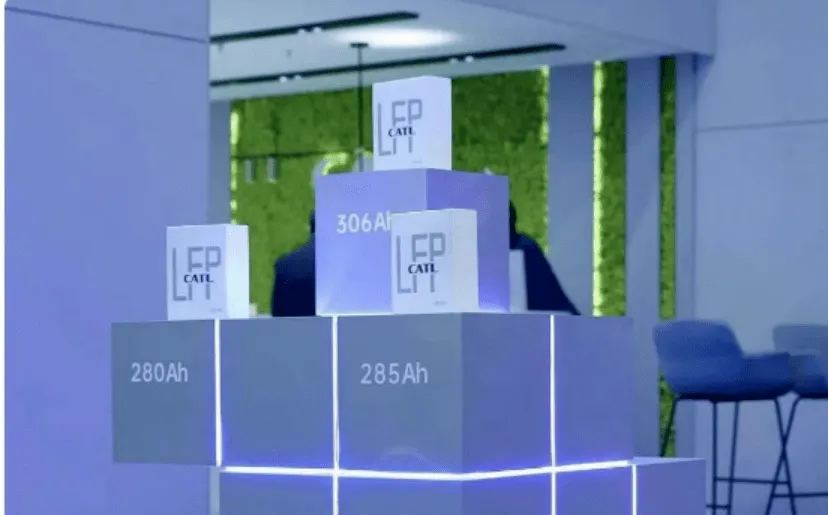
CATL 306Ah/314Ah LiFePO4 Cell
CATL said that the mass production and delivery of 314Ah dedicated electric core for energy storage is another opportunity for the company to lead the development of energy storage system through technological innovation and bring new breakthroughs in the field of energy storage.
It is understood that CATL EnerD series products use its energy storage dedicated 314Ah core, and equipped with CTP liquid cooling 3.0 high-efficiency grouping technology, optimizing the grouping structure and conductive connection structure of the core, while adopting a more modular and standardized design in the process of design and manufacturing, to achieve the 20-foot single compartment of the power from 3.354MWh to 5.0MWh, compared with the previous generation of products. Compared to its predecessor, the new EnerD series of liquid-cooled prefabricated energy storage pods saves more than 20% of floor space, reduces the amount of construction work by 15%, and decreases commissioning, operation and maintenance costs by 10%, and also significantly improves energy density and performance.
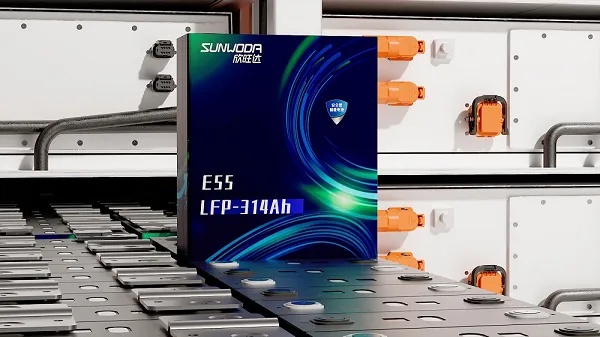
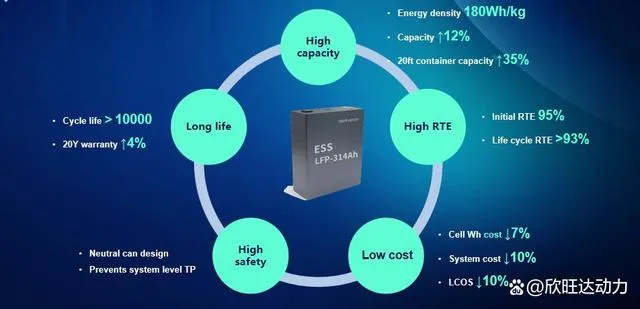
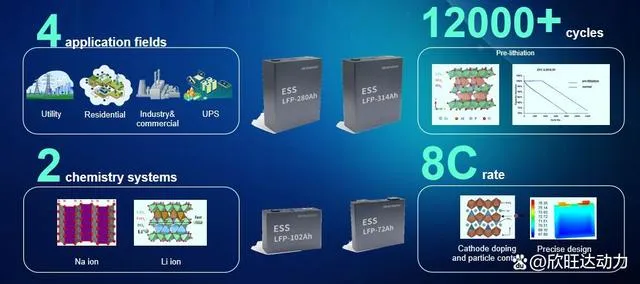
SUNWODA 314Ah LiFePO4 CellSUNWODA 314Ah LiFePO4 Cell Data & infomation
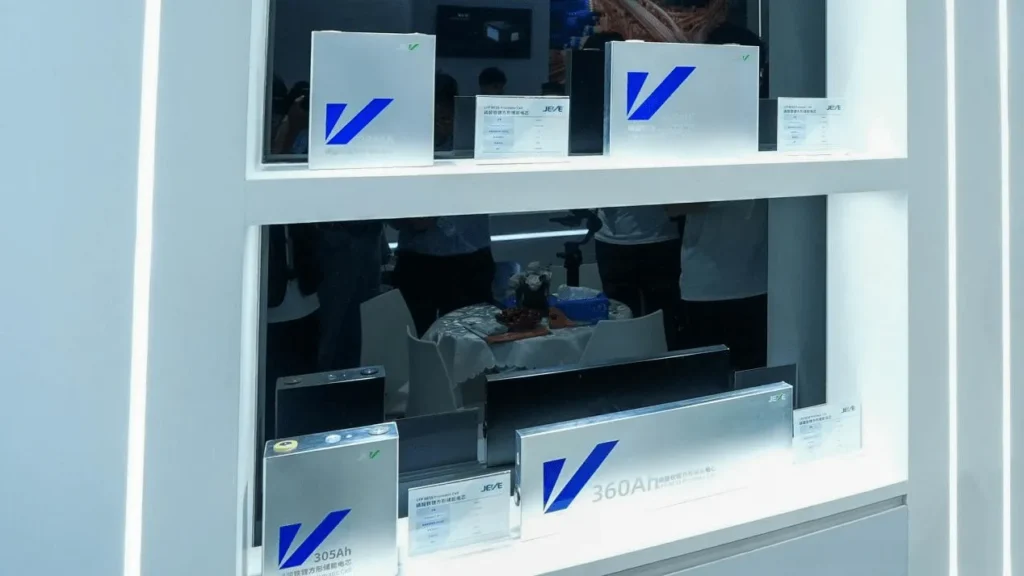
JEVE 305Ah/360Ah LiFePO4 Cells
JEVE 305Ah & 360Ah LiFePO4 Cell
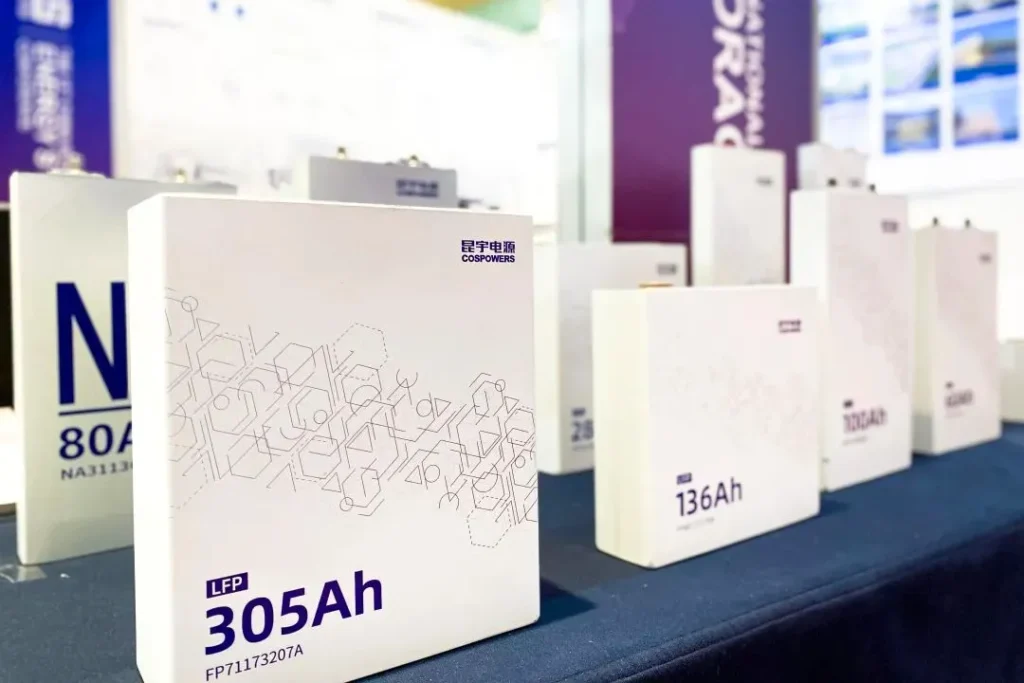
COSPOWERS 305Ah LiFePO4 Cell
COSPOWERS 305Ah LiFePO4 Cell
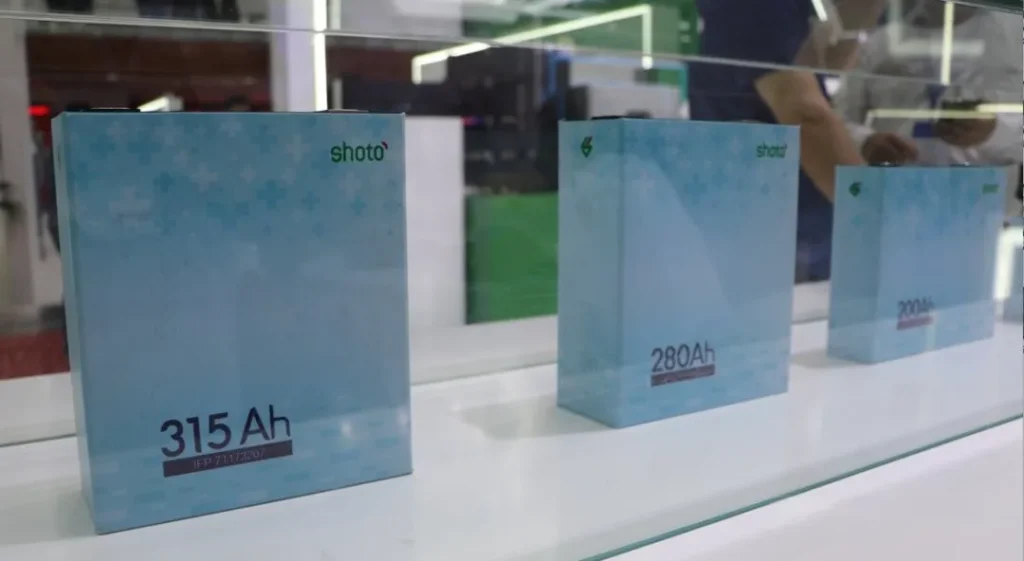
shoto 315Ah LiFePO4 Cell
Shoto 315Ah LiFePO4 Cell
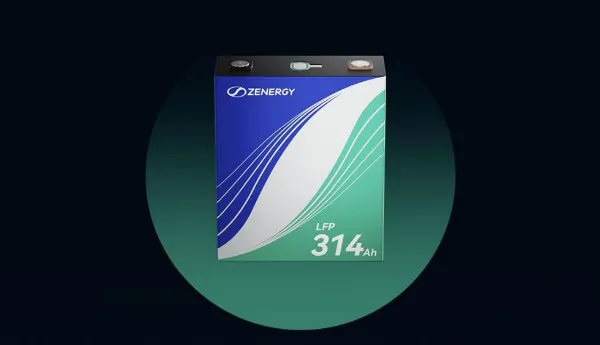
ZENERGY 314Ah LiFePO4 Cell
ZENERGY 314Ah LiFePO4 Cell
Seeking the “Triangle Balance Point”
At the 320Ah capacity level, internal cell temperatures can surpass 800°C, exceeding the decomposition temperature of lithium iron phosphate and posing challenges to cell safety, energy density, manufacturing processes, and more.
Cell R&D also faces the classic ‘impossible trinity’ of high energy density, long cycle life, and high safety. Energy density is a priority consideration in nearly all cell design. Pursuing higher energy density requires thinner membranes and high pressure and areal density electrode materials. On one hand, such extremities make liquid infiltration more difficult, undermining cycling performance. On the other hand, thinner membranes and higher energy density materials also mean poorer safety. There is no avoiding the trade-off between energy density and performance. Prioritizing energy density may jeopardize cycle life and safety. Whereas uncompromising cycle life and safety comes at the cost of lower energy density and weaker competitiveness. Most companies aim for a balanced sweet spot.
Cell manufacturers often tout cycle life figures of 6,000, 8,000, 10,000 even 18,000 based on specific controlled test conditions and model extrapolation. But actual cycle life is lower when cells are packaged into battery packs and deployed in energy storage systems. We expect a lifespan of about 3-18 years depending on the Depth of discharge, C rate, thermal and Battery Management put into place by each individual builder. That is a significant difference, because batteries are not invincible, but LiFePo4 is really versatile.
The 280Ah cells released in 2020 were produced by less than three manufacturers in 2021. Becoming mainstream in energy storage power stations in 2022, failure rate issues can be expected to surge around 2025 after initial installations complete their lifespan. Time will tell.
Safety Depends on Multiple Factors
Larger cells are a double-edged sword – cost reduction and accelerated market growth come with technical challenges and safety concerns. At the system level, safety depends on factors including cell design, thermal propagation isolation, early warning systems, fire prevention systems, and more.
Looking narrowly at the cell perspective, rising manufacturing automation enables producers to strengthen quality control capabilities. Meanwhile, breakthroughs in automated inspection equipment and methodologies screen cell safety before leaving factories.
Advancements in materials such as more thermally/chemically stable membrane systems and additives will also continuously improve battery safety and stability. But from an electrochemical standpoint, absolute safety remains elusive for lithium-ion batteries given inherent risks requiring mitigation through system design, monitoring, emergency response, and other management strategies. Therefore, a systematic approach will define future safety design.
Last year, EVE Energy launched the LF560K battery, adopting cutting-edge Cell to TWh (CTT) technology tailored for TWh-scale energy storage applications. This enables extremely streamlined system integration and dual reduction in costs at both the cell and system levels. Global delivery is expected to commence in Q2 2024.
Keep in mind the DIY community won’t likely see these cells until at least 2025.
EVE LF560K (628Ah) LiFePO4 Cells
Compared to the LF280K battery, the LF560K battery can reduce components like busbars by almost half, whilst improving production efficiency by 30%. Container energy density can be increased by 6.5% allowing for lower costs for customers.
To address the key technological challenges facing the manufacture of ultra-large battery cells, EVE Energy has adopted a “stacking technique” to resolve issues with current collection and manufacturability in the LF560K battery’s electrode and current conductor design. Because the number of tabs per winding is doubled, solving the current collection problem and reducing DC IR by 8%. Prismatic sheet stacking replaces winding, doubling the single electrode sheet length, yields a 3% increase in total cell production .
The LF560K battery represents EVE Energy’s relentless pursuit of innovation and quality, built upon over 21 years of extensive experience in the battery industry and the strong R&D capabilities of its 3,100-member research team.
Currently, the mainstream energy storage cells on the market are 280Ah rectangular aluminum-cased cells. Many manufacturers are also reducing costs for downstream customers by improving cell volumetric density – that is, increasing capacity density per unit volume.
The 560Ah cell essentially doubles the common 280Ah rectangular cell size, equivalent to placing two 280Ah cells side-by-side. This aims to reduce PACK components and achieve cost reduction.
Although the 560Ah cell is not yet EVE Energy’s primary product, it has embarked on the path to commercialization. On February 1 this year, EVE Energy broke ground on its new “60 GWh Power Energy Storage Battery Super Factory” in Jingmen, Hubei, with 10.8 billion RMB investment. This factory will mass-produce the 560Ah energy storage cell. The 560Ah cell is expected to commence global delivery in Q2 2024.
Electrical safety is a top concern in both industrial and residential environments. With the increased use of low voltage and ultra-low voltage (ULV) systems, it is essential to understand the safety measures required to prevent accidents and injuries. This blog post will discuss ultra-low voltage electrical safety, including the definition of ultra-low voltage, the benefits of using ULV systems, potential hazards, and best practices for ensuring safety.
What is Ultra Low Voltage?
Ultra-low voltage (ULV) refers to electrical systems that operate at or below 50 volts of alternating current (AC) or 120 volts of direct current (DC). These systems are designed to minimize the risk of electrical shock while still delivering adequate power to devices and appliances. ULV systems are commonly used in applications such as lighting, telecommunications, and control circuits, as well as in consumer electronics like laptops and smartphones.
Benefits of Using Ultra Low Voltage Systems
Reduced risk of electrical shock: ULV systems significantly reduce the risk of electrical shock, as the voltages involved are much lower than those in conventional electrical systems. This makes ULV systems ideal for applications where the risk of electrical shock must be minimized, such as in medical equipment and devices.
Energy efficiency: ULV systems are more energy-efficient than traditional electrical systems, leading to reduced energy consumption and lower utility bills. This is especially important in today’s world, where conserving energy and reducing greenhouse gas emissions are critical.
Compact design: ULV systems generally require less space than conventional electrical systems, allowing for more compact and lightweight device designs. This is particularly beneficial in applications such as portable electronic devices and space-constrained installations.
Potential Hazards of Ultra Low Voltage Systems
While ULV systems pose a reduced risk of electrical shock, they are not entirely risk-free. Some potential hazards associated with ultra-low voltage electrical systems include:
Fire hazards: Poorly designed or improperly installed ULV systems can generate heat, which may lead to a fire if not adequately managed.
Electromagnetic interference: ULV systems can emit electromagnetic radiation, which can interfere with nearby electronic devices or communication systems.
Component failure: Like any electrical system, ULV components can fail, leading to the malfunction or loss of functionality of the connected devices.
Best Practices for Ultra Low Voltage Electrical Safety
To ensure the safe operation of ULV systems, it is essential to follow these best practices:
Training and awareness: Ensure that individuals working with ULV systems have received proper training in electrical safety, and are aware of the potential hazards associated with these systems.
Installation and maintenance: ULV systems should be installed and maintained by qualified professionals, following the manufacturer’s guidelines and local electrical codes.
Inspection and testing: Regularly inspect and test ULV systems to ensure their proper function and to identify any potential issues before they become critical.
Proper grounding: Grounding is crucial for any electrical system, including ULV systems. Ensure that all grounding connections are secure and that grounding conductors are appropriately sized.
Use of appropriate components: Always use ULV-rated components and devices when working with ULV systems, and ensure that they are compatible with the specific voltages and currents of the system.
Labeling: Clearly label ULV systems and components to ensure that individuals working with or near the systems are aware of the voltage levels and any associated risks.
Conclusion
Ultra-low voltage systems offer many advantages in terms of safety and efficiency. However, it is crucial to be aware of the potential hazards associated with these systems and to follow best practices to ensure their safe operation. By implementing proper training, installation, maintenance, inspection, and labeling, ULV systems can provide a safe and efficient
Thanks to the Fully Charged YouTube channel and an innovative Australian company, you will finally have some really good evidence to tell all your friends. Why an Electric Truck is better than Diesel.
Don’t have time to watch a full YouTube video? Here is a summary
Janus Trucks – Janus Electric based in NSW is doing Electric Truck conversions.
90+ Tonne Rated – Twice the ability of the Tesla Semi 720HP – 540Kw Electric Motor Uses the Original Transmission RE-GEN Braking 1.5-1.7Kwh per Kilometer Battery Pack Size – 620Kwh – Equivalent to 8 Tesla Model 3 vehicles
Removes 3.5 Tonnes of existing Motor and other parts. Add 4 Tonnes for Motor, Battery and Drivetrain
Electric Truck Cost – 60cents a Kilometer at Grid Pricing Can be as low as 6 cents a Kilometer from your own Solar installation. Diesel Truck Cost – $1- a Kilometer THAT is up to 18 times cheaper than Diesel
Maintenance Costs are vastly reduced. As low as 4 cents a Kilometer Multi Million Kilometer Lifespan for the Electric Motor Gearbox – reduced vibrations and other wear and tear, expecting double the lifespan when using Electric motor vs the diesel.
The Motor can REGEN up to 540kw of power when Braking.
No Pollution in Urban area’s
Total cost is only $150,000-$170,000 when battery is AS A SERVICE model. That mean’s they pay to rent the battery per Kilometer
After the battery has reached 80% of original capacity it can then be used for storage applications such as on and off grid commercial, or housing applications.
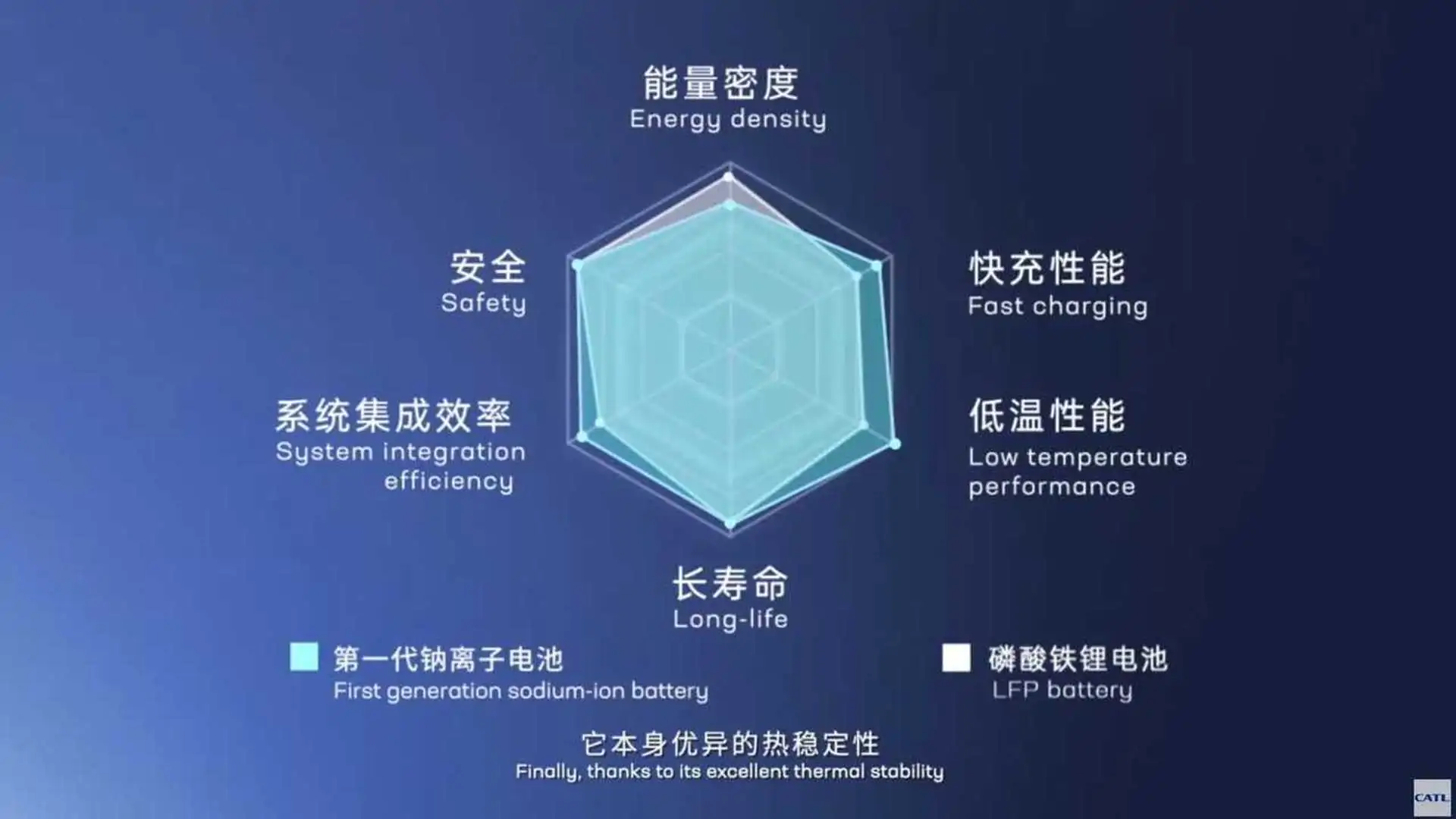
CATL the world’s largest Lithium battery manufacturer is now manufacturing the Sodium Ion Battery cell. It has the same energy density as LFP at 160Wh/Kg, however it’s even safer, and eventually it will be cheaper to manufacture due to not needing the expensive Lithium. And it wont require expensive shipping options to get to the end user, as it wont be a class 9 Dangerous Good.
Although it won’t be available to purchase until at least 2025. It is here, and it will likely be the Battery technology of choice for ESS. Such as homes, RV, and other similar use.
We see LiFePo4 being the dominant battery choice for the majority of users until late in the decade. The demand for Sodium Ion batteries will be very high, and although CATL has designed the battery to be able to be manufactured with the majority of the same machines and factory lines, it will still take a number of years for other companies to catch up to CATL. There are a number of companies already also manufacturing Sodium ion batteries. Which we will cover soon, and we will likely be posting more and more about this ground-breaking battery technology.
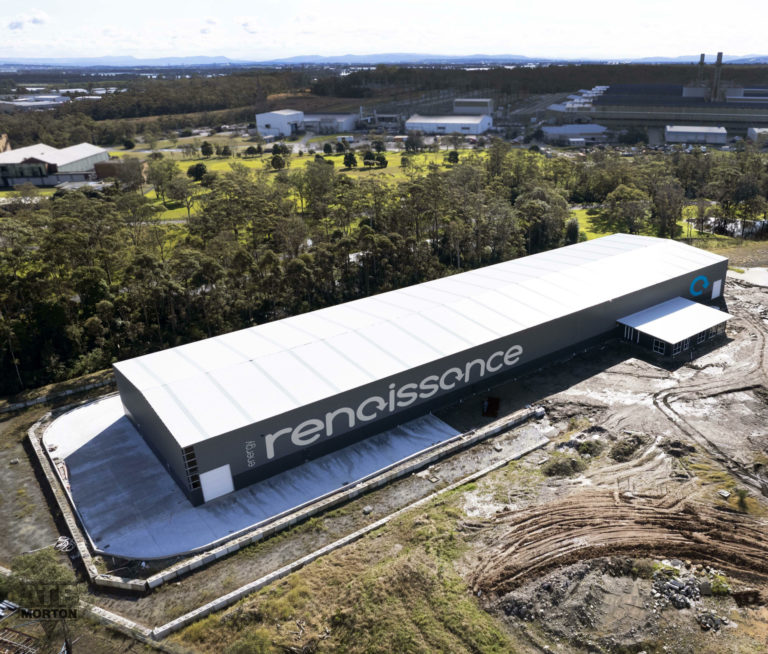
Energy Renaissance is Australia’s first lithium-ion battery manufacturer and they produce batteries that are safe, affordable and optimised for hot climates at Tomago, NSW. They are building an exciting future where the world is powered by clean, stored energy everywhere – right here in Australia. They work with CSIRO as our research collaborator and Cadenza Innovation as our technology partner. Energy Renaissance will advance local battery manufacturing capabilities, create jobs in Australia and build significant economic benefits for our lithium-ion battery materials industry through a local supply chain. More than half of the batteries will be exported to Asia and when its production facility is operating at capacity, Energy Renaissance will be able to make enough batteries to power every public school, hospital, fire station, SES unit and new homes built in Australia.
Energy Renaissance is developing Australia’s first advanced lithium-ion battery Gigafactory.
Driving sustainable economic development and creating jobs in regional Australia. For every employee they hire, Energy Renaissance has the potential to create five jobs in upstream industries.
A look at the current product available by energy renaissance
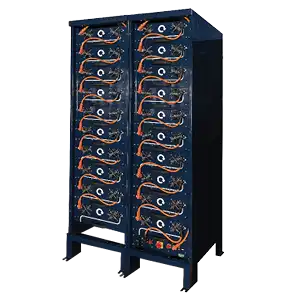
renaissance superRack™ twin
pre-configured higher voltage multi rack system with unique ship-in-rack capability
The Renaissance superRack™ twin has been designed from the ground up for faster, simpler, safer implementation and maintenance. Ideally suited for commercial, agricultural and utility scale applications.
The superRack™ Twin design makes it easy to address a wide range of power and energy applications. Scaling is simple with multi rack systems that are pre-configured and with our unique ship-in-rack capability this means faster, easier and more cost effective installation.
Powered by cybersecure Renaissance superBMS™ and supported by cybersecure Renaissance superEMS™
10-year performance warranty
High energy density kWh/㎥
Real time monitoring and reporting down to the minute via the Energy Renaissance portal, accessible from any internet connected device
Air cooled for safety and reliability
Transportable; packs designed to be transported in rack to site