
Off-grid battery sizing guide
What size battery do I need for off-grid?
Start with how you want the property to feel in winter. A tiny home, a normal family home, and a remote workshop can all use the same basic maths, but they need very different comfort margins.
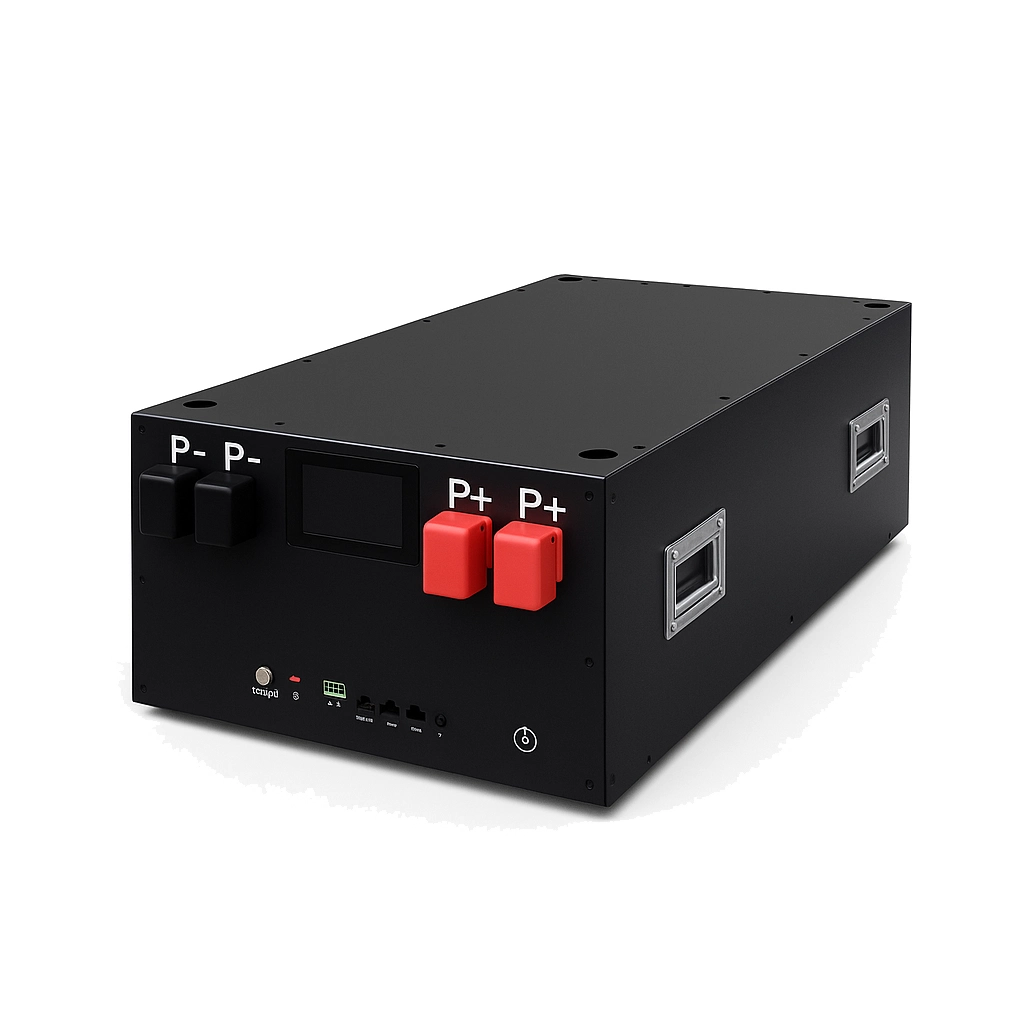
The short answer
Most off-grid homes should think in days of autonomy(minimal charging), not only one night of backup. Two days is a practical starting point. Three days is more comfortable for winter, and cloudy weather or homes where generator use is inconvenient and expensive.
Choose the right next step
Hardware and installed systems are different cost. Hardware is supply-only product advice. Installed systems may attract rebates and are site-specific and depend on the property, switchboard, wiring, backup requirements, compliance and site conditions.
What changes the battery size?
Daily use
Your kWh per day matters more than the battery brand. Bills, monitoring data, or a rough appliance list are all useful starting points.
Winter reserve
Winter is where off-grid systems prove themselves. Shorter days, weaker solar, cloudy periods, and longer nights all push the battery harder.
Peak loads
Pumps, tools, air conditioning, electric cooking, and bore pumps can decide the inverter and battery discharge requirements even if daily kWh looks reasonable.
Want to run the numbers?
The full interactive estimate now has its own page. Use it to choose a starting profile, adjust appliance loads, compare reserve days, and copy a summary to send with your enquiry.
When oversizing makes sense
A bigger battery can be the right decision when the site is remote, winter comfort matters, generator runtime is annoying, or future loads are likely. More battery can also reduce daily stress on the bank.
Oversizing still needs balance. A large battery with too little solar may recover slowly in winter, and a large inverter needs a battery that can safely support the discharge current and surge loads.
Common off-grid battery sizes
| Battery bank | Typical use | Best suited to |
|---|---|---|
| 10-16 kWh | Light cabin, careful tiny home, essential loads, or small off-grid setup. | Fridge, lights, internet, water pump, and modest appliance use. |
| 30-35 kWh | More comfortable off-grid home with useful winter reserve. | Normal home loads with some load management and sensible solar size. |
| 45-65 kWh | Family home, larger property, or customers who want fewer compromises. | More winter autonomy, pumps, tools, and larger daily consumption. |
| 80 kWh+ | Large homes, commercial loads, workshops, or serious energy independence. | High daily kWh, heavy loads, or longer no-sun reserve targets. |
Frequently asked questions
Is 16kWh enough for an off-grid house?
It can be enough for a careful home, cabin, or efficient setup, especially with good solar and backup generation. For a normal family home that wants comfort through winter, 16kWh is often a starting point rather than the final answer.
How many days of battery reserve should I choose?
Two days is a practical starting point for many off-grid homes. Three days is more comfortable in winter, remote locations, or places where generator use is inconvenient. One day can work for budget systems, but it needs more lifestyle management.
Should I size from my electricity bill?
Your bill is useful if the home already exists and the usage pattern will be similar. For a new off-grid home, appliance estimates and lifestyle questions are more important. Heating, cooking, water pumps, refrigeration, and workshop loads can change the answer quickly.
Why does solar size matter when I am asking about battery size?
The battery carries you through the night and bad weather. The solar array has to refill it. If the battery is large but solar is too small, the system may not recover properly in winter.
Can I add more batteries later?
Often yes, but it depends on the battery model, inverter, BMS compatibility, installation layout, and age of the existing battery bank. If expansion is likely, it is better to design for that from the start.
Ready to take the next step?
Use the hardware path if you want batteries, inverters, cells, kits or components. Use the installed-system path only when you want LiFePO4 Australia to assess a complete installed system.