LiFePO4, Solar Battery and Off-Grid Power Specialists
Interactive estimate
Off-grid battery sizing wizard
Use this calculator to test daily kWh, reserve days, winter sun, 16kWh battery blocks, and rough solar array size before sending through a full off-grid enquiry.
Use this as a planning guide. For the final design, we still want to know your location, appliances, seasonal usage, and what you want the system to survive.
1. LoadDaily kWh
2. ReserveDays of autonomy
3. Winter sunYour location
4. ResultBattery and solar estimate
In kWh per day. If unsure, start with 12 kWh for an efficient home or 20 kWh for a normal family home.
This changes the battery reserve target. Serious off-grid homes usually design closer to whole-home use.
Two days is a common starting point. Three days feels better in winter or remote locations.
Use winter numbers for a system that needs to work when solar is weakest.
This is not daylight hours. It is the rough equivalent full-power solar hours for the day.
We normally plan LiFePO4 with headroom rather than draining it hard every day.
Allows for inverter losses, heat, dust, wiring, orientation, and imperfect days.
In kW. This helps decide inverter size, especially for pumps, tools, ovens, or air conditioning.
Household appliance estimate
Start with a typical household profile, then adjust the efficiency level, TV size, hours, and quantities. This is much easier than trying to remember every appliance from a blank page.
Loads the common appliances most people forget to include.
Changes fridge, TV, lighting, dishwasher, laundry, and air conditioning estimates.
Bigger TVs are common now, and they do matter over a year.
Tip: ratings are only a guide. A 7 star fridge used in a hot shed can still use more than expected, and an air conditioner depends heavily on insulation, room size, and set temperature.
Load
Qty
Watts
Hours/day
kWh/day
Appliance estimate
0.0
Recommended nominal battery33.3 kWh
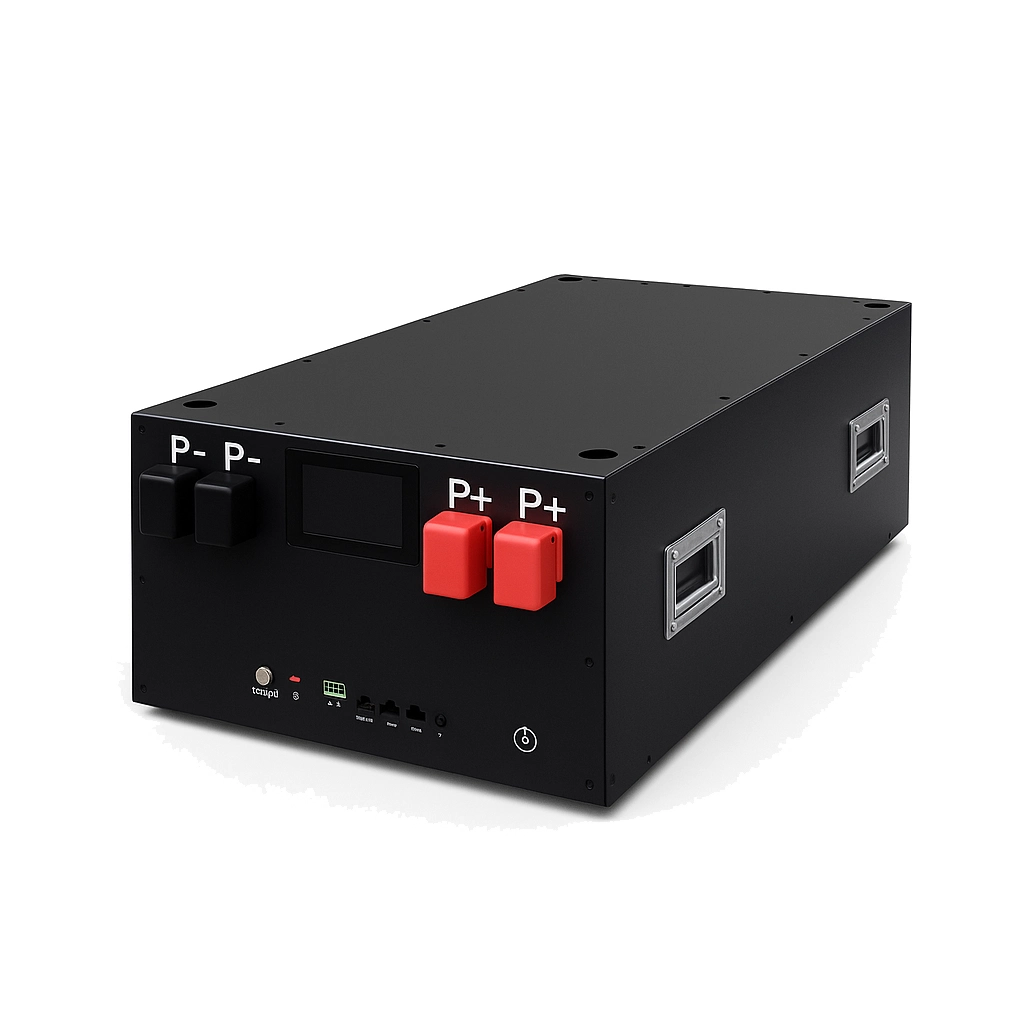
16kWh battery blocks3
Winter solar array guide3.6 kW
Important: this wizard gives a planning estimate, not a final electrical design. Battery choice, inverter surge, generator backup, cable sizing, installation rules, and local conditions still matter.
What to do with the result
The number is a planning guide. A final off-grid design still needs your location, roof or ground-mount space, shading, generator plans, peak loads, inverter surge requirements, battery discharge limits, and installation details.
Use this for hardware planning
Copy the estimate summary if you want supply-only product advice for batteries, inverters, kits or components.
Installed systems need a site-specific assessment because the property, switchboard, wiring, backup requirements, compliance and site conditions all matter.