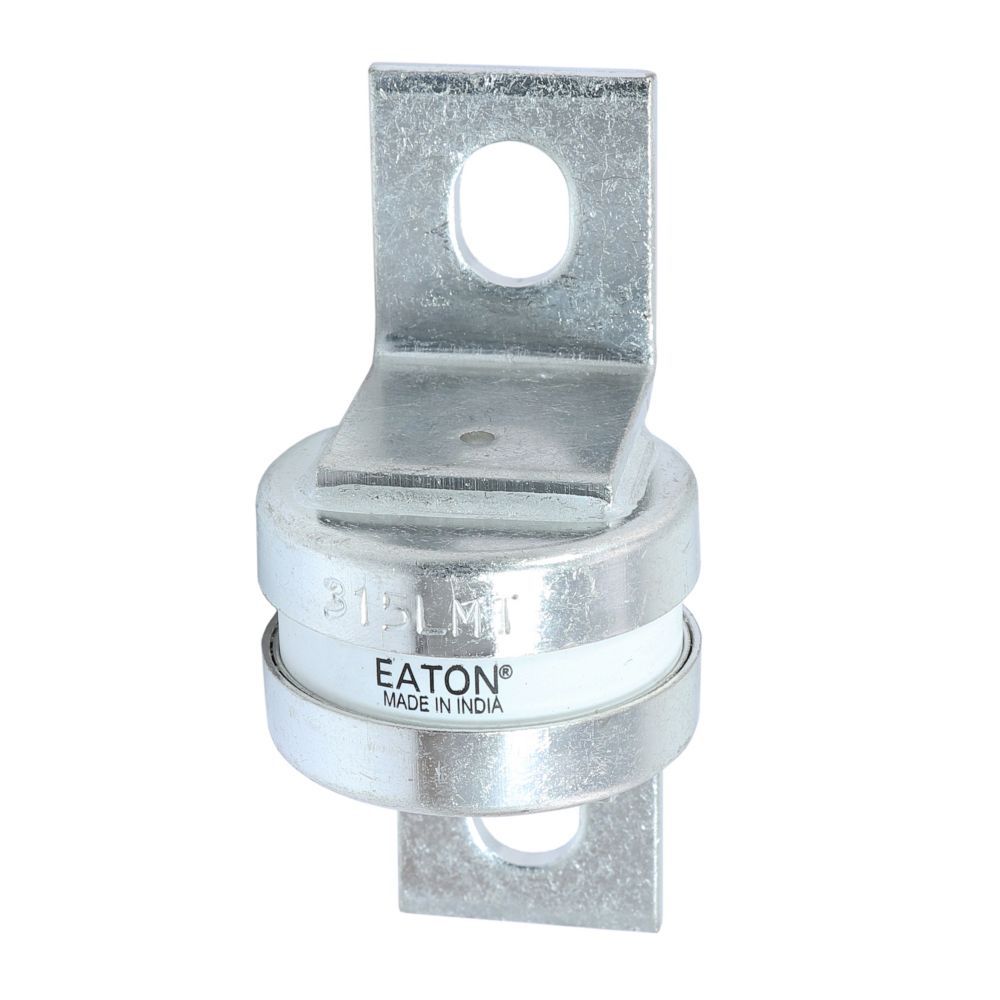
48v Battery Circuit Breaker or T Class Fuse
What are the most common curves for circuit breakers that are DC rated to 250A?
If you are looking for a circuit breaker that can handle direct current (DC) loads up to 500A, you might wonder what kind of tripping curve you should choose. A tripping curve is a graphical representation of how fast a circuit breaker will trip in response to different levels of overcurrent. It shows the relationship between the current and the tripping time of a protection device.
There are different types of tripping curves for circuit breakers, such as B, C, D, K and Z. Each curve has a different instantaneous trip current range, which is the amount of current at which the breaker will trip without causing a time delay. Generally, the higher the current spike, the faster the breaker will trip.
The most common curves for circuit breakers that are DC rated to 500A are C and D curves. These curves are suitable for inductive and motor loads with medium to high starting currents. They can also handle the inrush current of DC loads, which is the high current draw during the switching on of a load.
A C curve circuit breaker will trip instantaneously when the current flowing through it reaches between 5 to 10 times the rated current. For example, a C curve circuit breaker with a rated current of 25A will trip between 125A and 250A without any delay. This type of curve is ideal for domestic and residential applications and electromagnetic starting loads with medium starting currents.
A D curve circuit breaker will trip instantaneously when the current flowing through it reaches between above 10 (excluding 10) to 20 times the rated current. For example, a D curve circuit breaker with a rated current of 25A will trip between above 250A (excluding 250A) and 500A without any delay. This type of curve is ideal for inductive and motor loads with high starting currents.
The other curves, such as B, K and Z, are less common for circuit breakers that are DC rated to 250A. These curves are either too sensitive or too insensitive to short circuits and are used for specific applications.
A B curve circuit breaker will trip instantaneously when the current flowing through it reaches between 3 to 5 times the rated current. This type of curve is too sensitive for DC loads with high inrush currents and is mainly used for cable protection and electronic devices with low surge levels.
A K curve circuit breaker will trip instantaneously when the current flowing through it reaches between 8 to 12 times the rated current. This type of curve is similar to a D curve but has a higher instantaneous trip range. It is used for inductive and motor loads with very high inrush currents.
A Z curve circuit breaker will trip instantaneously when the current flowing through it reaches between 2 to 3 times the rated current. This type of curve is too insensitive for DC loads with high inrush currents and is mainly used for highly sensitive devices such as semiconductor devices.
To summarize, the most common curves for circuit breakers that are DC rated to 250A are C and D curves, depending on the type and size of the load. These curves can provide adequate protection against overcurrents and short circuits without tripping unnecessarily or too slowly.
An Alternative is to use a Circuit Breaker is a T class fuse
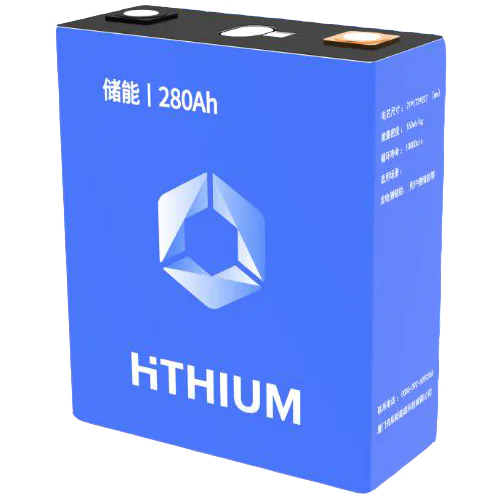
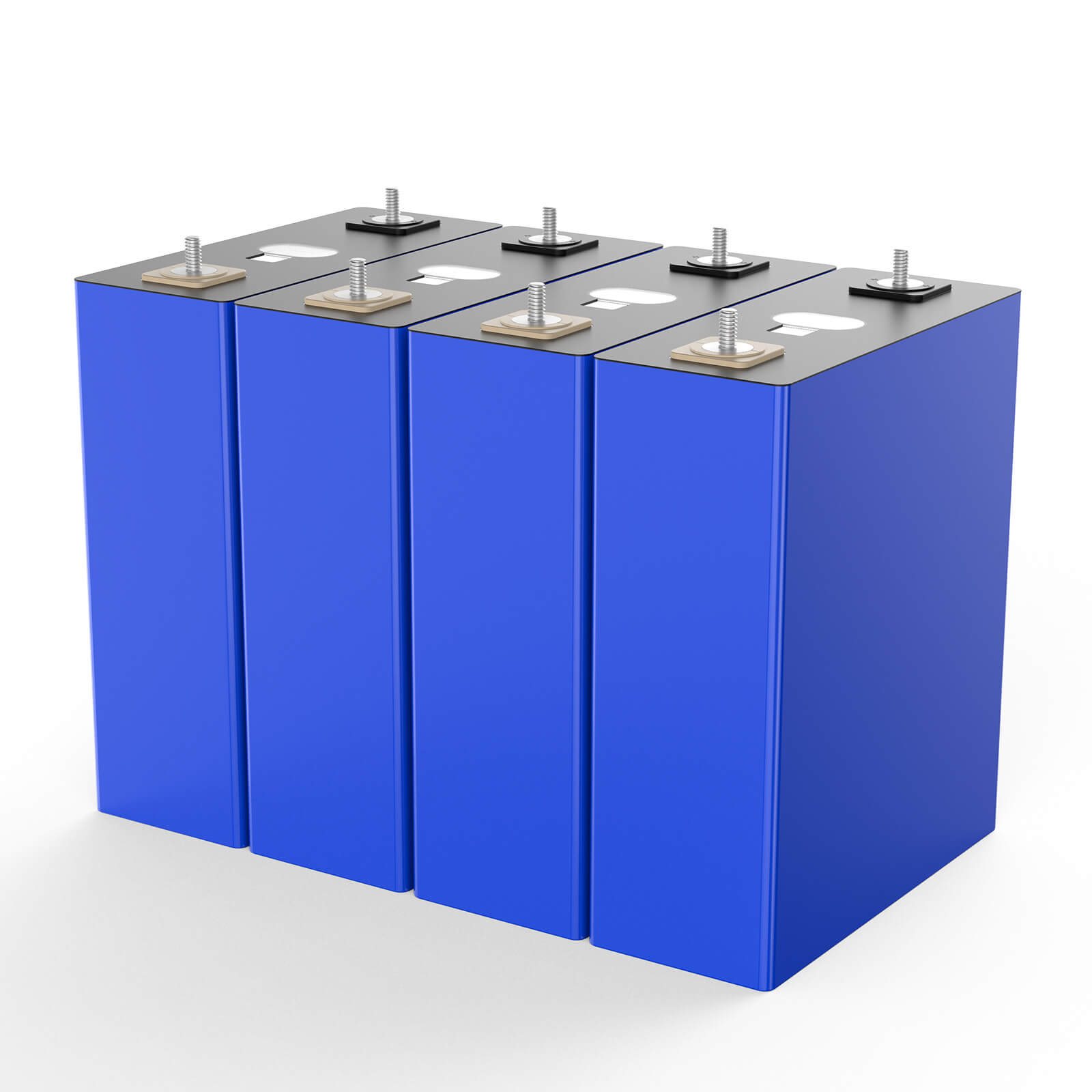
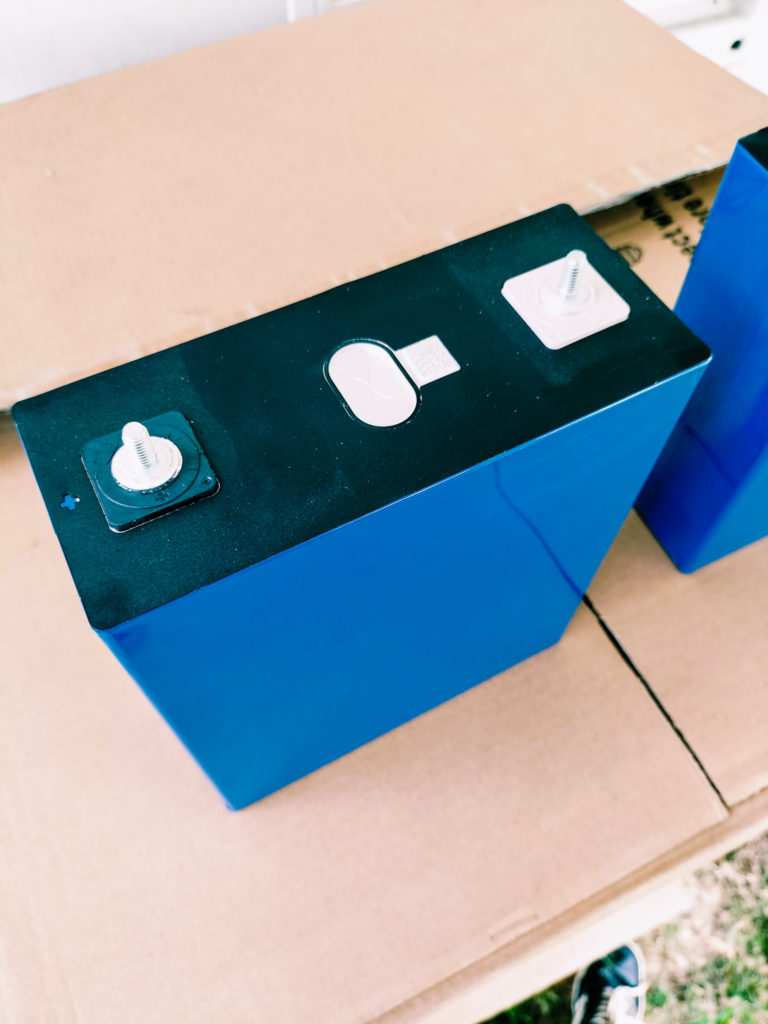
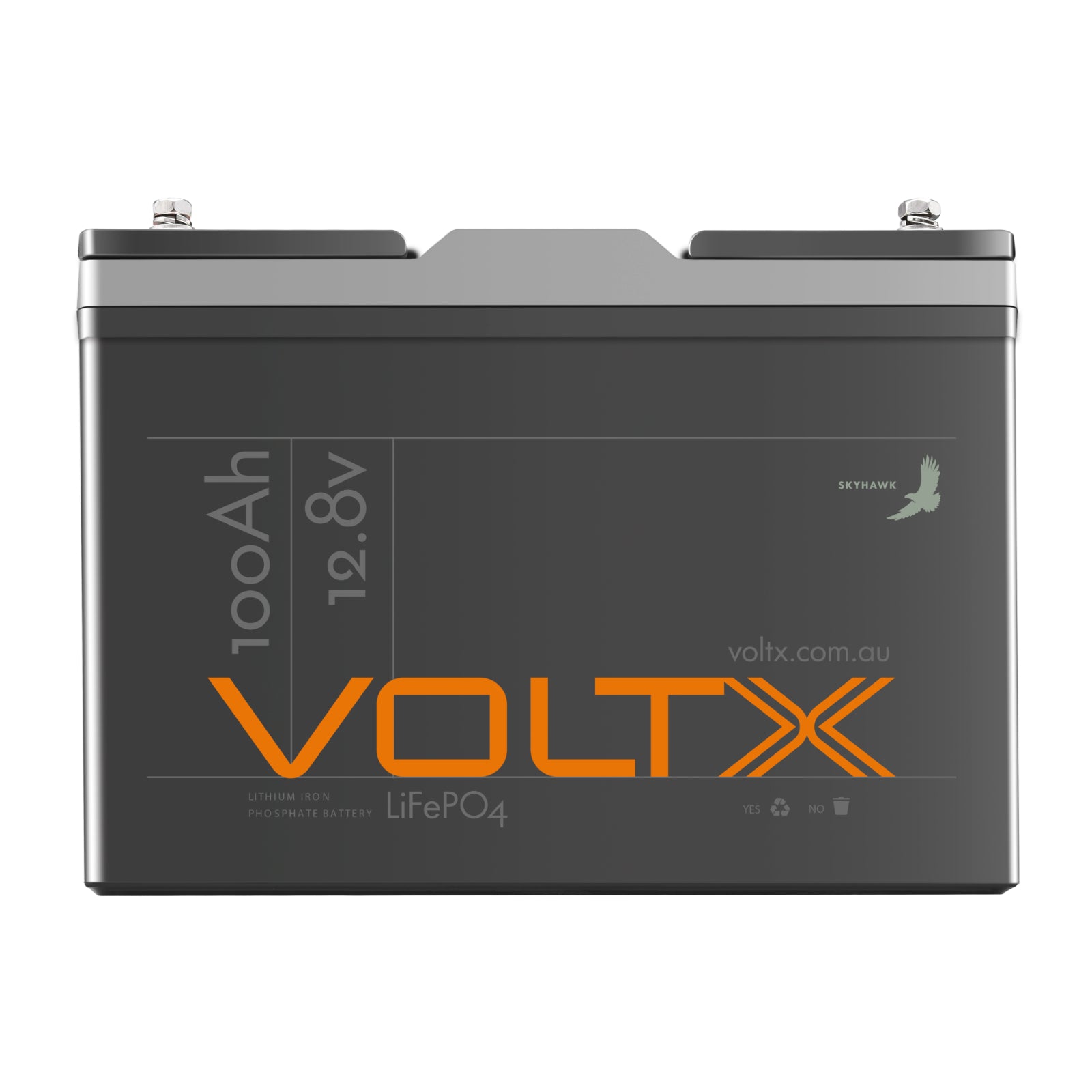
If you are using lithium batteries in any application, you might want to consider using a T-class fuse as part of your safety measures. A T-class fuse is a type of fuse that is specifically designed for use with lithium batteries. It has a fast-acting, low-melting-point element that can quickly interrupt the flow of current in the event of an overcurrent or short-circuit condition. This helps prevent damage to the battery and reduces the risk of fire or explosion.
Here are some of the benefits of using a T-class fuse in your lithium battery setup:
- Improved Safety: T-class fuses can protect the battery from overcurrent and short-circuit conditions, which can help prevent damage to the battery and reduce the risk of fire or explosion .
- Increased Reliability: T-class fuses can help increase the overall reliability of your setup by preventing damage to the battery and other components in case of an overcurrent or short-circuit condition . This is especially important in applications where downtime or failure can be costly or dangerous.
- Simplified Design: T-class fuses can simplify the design of your lithium battery setup by eliminating the need to select the right type of fuse for your application. Because they are designed specifically for use with lithium batteries, you don’t have to worry about compatibility issues or errors .
- Cost-Effective: T-class fuses are generally affordable, especially when compared to the cost of replacing damaged batteries or dealing with the consequences of a battery-related incident. They are also durable and long-lasting, which can save you money in the long run .
To sum up, using a T-class fuse in your lithium battery setup can provide a range of benefits, from improved safety and reliability to simplified design and cost savings. If you want to learn more about T-class fuses and how to use them, you can read more, to learn about
Class T vs ANL fuse
Choosing between ANL and Class T fuses depends on your specific needs and application. Here’s a breakdown of their key differences to help you decide:
Current Interrupt Capacity:
- ANL fuse: Up to 2,700 amps, suitable for automotive starting batteries and modest DC current applications.
- Class T fuse: Up to 200,000 amps, significantly higher, making it ideal for high-power systems with lithium batteries, solar panels, inverters, etc.
Response Time:
- ANL fuse: Moderately fast, but not as fast as Class T.
- Class T fuse: Very fast, crucial for protecting sensitive electronics from quick surge currents.
Size and Cost:
- ANL fuse: Larger and typically cheaper.
- Class T fuse: Smaller and more expensive due to its superior capabilities.
Applications:
- ANL fuse: Good for:
- Starter batteries
- Audio systems
- Winches
- Moderate-power DC circuits
- Class T fuse: Ideal for:
- Lithium batteries
- Solar power systems
- Inverters
- High-power industrial applications
- Sensitive electronics requiring fast protection
Additional Considerations:
- ANL fuses: Prone to arcing after blowing, potentially causing further damage.
- Class T fuses: Designed to minimize arcing, enhancing safety.
- Certification: Class T fuses often have UL 248-15 listing, important for marine applications.
In summary:
- Choose ANL fuse for moderate-power DC applications like car audio or winches where affordability is a concern.
- Choose Class T fuse for high-power systems with lithium batteries, solar panels, or sensitive electronics where fast response and high interrupt capacity are critical, despite the higher cost.
Class-T fuses
are a type of high-performance, fast-acting fuse designed for protecting demanding electrical systems from damage caused by overcurrents and short circuits. They are known for their:
- High interrupt capacity: Up to 200,000 amps, making them suitable for high-power applications like marine, solar, and industrial systems.
- Fast response time: They blow very quickly in the event of a fault, minimizing damage to equipment.
- Compact size: They are smaller than other types of fuses with similar current ratings, making them ideal for space-constrained applications.
- Corrosion resistance: They are constructed with nickel-plated terminals and a sealed ceramic body, making them resistant to corrosion in harsh environments.
Here are some of the common applications of Class-T fuses:
- Marine electrical systems: Protecting batteries, inverters, chargers, and other sensitive equipment. Class T fuse in marine electrical system
- Solar power systems: Protecting solar panels, charge controllers, and batteries. Class T fuse in solar power system
- Industrial control panels: Protecting motors, drives, and other critical equipment.
- Battery banks: Protecting large battery banks from short circuits and overcurrent’s. Class T fuse in battery bank
- Variable speed drives: Protecting drives from motor faults and overloads.
- Rectifiers: Protecting rectifiers from overloads and short circuits.
When choosing a Class-T fuse, it is important to consider the following factors:
- The amount of current the circuit will carry: Choose a fuse with a current rating that is slightly higher than the maximum expected current in the circuit.
- The type of fault the fuse is protecting against: Choose a fuse with an interrupt capacity that is high enough to handle the maximum fault current that is likely to occur.
- The physical size constraints of the application: Choose a fuse that will fit in the available space.
I cannot directly recommend a specific fuse size without more information. Choosing the wrong fuse size can be dangerous, so it’s crucial to follow proper guidelines and consult a qualified electrician for accurate sizing.
However, I can help you gather the necessary information to make an informed decision:
1. Identify your application:
- What are you protecting with the fuse (e.g., battery bank, inverter, solar panel system)?
- What is the voltage and amperage rating of the circuit?
2. Consult the device manuals:
- The manuals for your devices (battery, inverter, etc.) should specify the recommended fuse size or amp rating.
- Do not exceed the recommended fuse size for any device.
3. Consider continuous and surge currents:
- Choose a fuse with a continuous current rating slightly higher than the maximum expected current in the circuit under normal operation.
- Account for potential surge currents (e.g., motor startup) and choose a fuse with an interrupt capacity high enough to handle those surges safely.
4. Follow safety standards and regulations:
- Ensure the chosen fuse complies with relevant safety standards for your application (e.g., UL 248-15 for marine use).
5. Consult a qualified electrician:
- If you’re unsure about any aspect of fuse selection or electrical work, always seek guidance from a qualified electrician. They can assess your specific needs and recommend the most suitable fuse size for your application, ensuring safety and optimal performance.
Remember, safety is paramount when working with electrical systems. Never experiment with fuse sizes or attempt electrical work without proper knowledge and qualifications.
Class-T fuses are a reliable and effective way to protect your electrical equipment from damage. If you are unsure about which fuse to choose, consult with a qualified electrician.
Remember, consult qualified personnel when dealing with high-power applications and fuse selection. They can assess your specific needs and recommend the most suitable option for safety and optimal performance.
We hope this blog post was informative and helpful for you. If you have any questions or feedback, please feel free to leave a comment below. Thank you for reading!