News
Comparison of Tesla Powerwall 3 vs DEYE 12kW Inverter Hybrid + 32kWh LiFePO4 Battery

The Tesla Powerwall 3 vs DEYE 12kW Inverter Hybrid paired with a 32kWh LiFePO4 battery are both high-quality energy storage solutions, but they cater to different needs in terms of power output, scalability, and use cases. Let’s dive deeper into the differences between these two systems, keeping in mind that they are priced similarly but have key differences in features and applications.


1. Battery Technology

Tesla Powerwall 3:

  • Battery Type: The Tesla Powerwall 3 uses Lithium Iron Phosphate (LiFePO4) technology. LiFePO4 is a safer, more thermally stable chemistry compared to others like NMC (Nickel Manganese Cobalt), and it has a longer life expectancy due to its resistance to degradation.
  • Capacity: The Tesla Powerwall 3 has a 13.5 kWh usable energy capacity per unit.
  • Cycle Life: The Powerwall 3 is rated for 10,000 cycles with a 70% Depth of Discharge (DoD). This means that after 10,000 cycles, the battery will retain 70% of its original capacity.
  • Expected Lifespan: Given the cycle life and typical usage patterns, the Powerwall 3 is designed to last for about 10-15 years with regular use.
  • Price : About $13,900
    Installation ($1500-$4000) Total Cost $15490 (lowest) -$16900
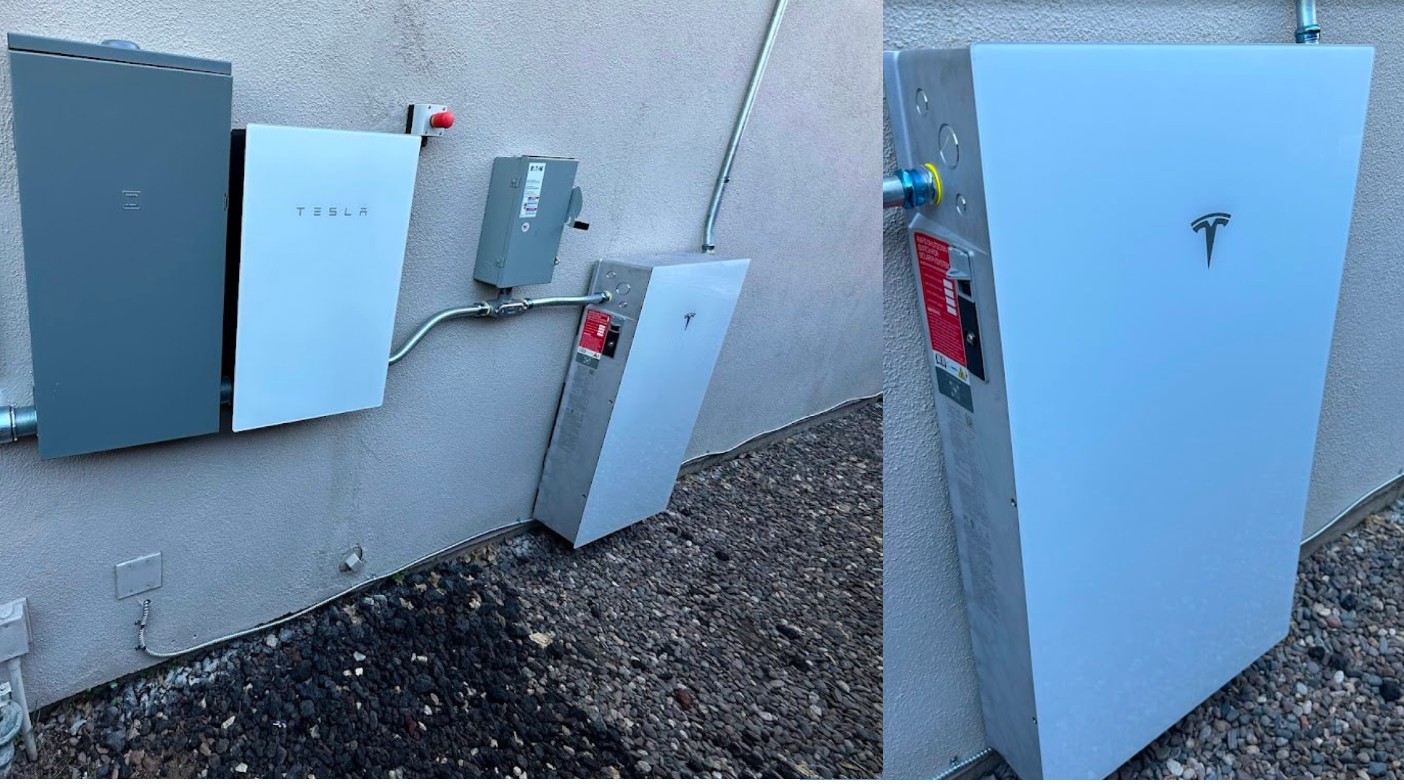
Tesla powerwall 3 installation

DEYE 12kW Inverter Hybrid + 32kWh LiFePO4 Battery:

  • Battery Type: This system also uses LiFePO4 battery technology, which is known for its long cycle life, high stability, and safety. It is ideal for residential and commercial applications requiring reliable energy storage.
  • Capacity: The 32kWh LiFePO4 battery offers significantly more storage capacity than the Powerwall 3, providing more flexibility for larger homes, small businesses, or applications with higher energy consumption.
  • Cycle Life: The DEYE battery has a 10,000 cycle lifespan with a 70% DoD, similar to the Tesla Powerwall. This ensures the battery can last 10-20 years of use, making it a highly durable solution.
  • Expected Lifespan: The expected lifespan of the DEYE system is also around 10-20 years depending on usage.
  • Cost (Industry Average) $4999 Inverter + $15,000 Batteries (Cost $19999)
    Our Price $3000+ $10000 ($13000)
    Installation ($2000-$3500) Estimated
Deye16Kw 64Kw lifepo4 edited

2. Power Output and Inverter Integration

Tesla Powerwall 3:

  • Inverter Power: The Powerwall 3 has a 11.04kW continuous output. This is suitable for standard residential applications, providing enough power for essential appliances and some larger loads during peak demand.
  • Efficiency: The Powerwall 3 achieves around 90% round-trip efficiency, meaning that about 90% of the energy stored in the battery can be utilized when discharging.
  • Integration: The Powerwall 3 comes as an integrated unit, meaning the battery and inverter are built into a single unit. This simplifies installation and operation, especially for those who prefer a plug-and-play solution.
  • Backup and Grid Services: The Powerwall 3 is designed for backup power, load shifting, and integration with solar PV systems. It can handle grid services like time-of-use optimization in regions where such features are supported.

DEYE 12kW Inverter Hybrid + 32kWh LiFePO4 Battery:

  • Inverter Power: The DEYE system is equipped with a 12 kW inverter, which offers a higher continuous power output than the Powerwall. This makes the DEYE system better suited for larger homes or small commercial applications where high power demand is more common. The 12 kW inverter can handle Peaks of up to 24Kw for larger simultaneous loads and is more suitable for scenarios where energy needs are more varied.
  • Efficiency: The DEYE inverter achieves higher efficiency, typically around 95% round-trip efficiency, which is slightly more efficient than the Powerwall 3.
  • Integration: The DEYE system is a hybrid solution, which means it separates the inverter and the battery. This allows for more flexibility and customization, making it suitable for larger systems or those who need more modularity. The DEYE system is generally seen as a more flexible solution for off-grid or grid-connected applications, depending on user needs.
  • Backup and Off-Grid: Like the Powerwall, the DEYE system can be used for backup power and integration with solar PV. However, due to the larger inverter size and higher storage capacity, it is better suited for applications requiring extended backup power or those that need to operate off-grid.

3. Scalability and Flexibility

Tesla Powerwall 3:

  • Scalability: The Powerwall 3 can be easily stacked by adding additional units, each providing 13.5 kWh of storage. For example, you could install two Powerwalls for 27 kWh of storage or more if needed, with each unit sharing the same inverter.
  • Use Case: Powerwall 3 is ideal for residential use, and scaling is designed to be as straightforward as possible for consumers who want a reliable solution with minimal complexity. However, scalability is somewhat limited to the Powerwall’s 13.5 kWh increments, which may not be sufficient for larger homes with heavy energy demands unless multiple units are installed.

DEYE 12kW Inverter Hybrid + 32kWh LiFePO4 Battery:

  • Scalability: The DEYE system offers greater flexibility in terms of expansion. If you require more storage, you can easily add additional batteries or even a second inverter to expand the system’s capacity and output.
  • Modular Design: Unlike the Powerwall, the DEYE system’s modular nature allows for more complex configurations. This is useful for those looking for an energy storage solution that can scale over time or that needs more customization.
  • Use Case: The DEYE system is more appropriate for larger residential setups, small businesses, or even off-grid systems, where you might need both more power and more storage in a scalable, flexible package.

4. Warranty and Lifecycle

Tesla Powerwall 3:

  • Warranty: The Tesla Powerwall 3 comes with a 10-year warranty, ensuring peace of mind for consumers. This warranty covers the system’s performance, and if it drops below 70% capacity, Tesla will replace or repair the unit.
  • Cycle Life: The battery is rated for 10,000 cycles to 70% End-of-Life (EOL), meaning it should last for 10-15 years depending on usage.
  • Support and Maintenance: Tesla provides strong customer support and professional installation services, which is beneficial for homeowners who want a turnkey solution.

DEYE 12kW Inverter Hybrid + 32kWh LiFePO4 Battery:

  • Warranty: The DEYE system also comes with a 10-year warranty, covering both the inverter and the battery. This warranty ensures that both components maintain their performance over a decade.
  • Cycle Life: Like the Powerwall, the DEYE system’s battery is also rated for 10,000 cycles to 70% DoD, ensuring long-term durability and reliability.
  • Support and Maintenance: While DEYE’s support network might not be as extensive as Tesla’s, it is well-regarded in the industry, and the system can be installed by certified installers who specialize in hybrid and off-grid energy solutions.

5. Design and Installation

Tesla Powerwall 3:

  • Design: The Tesla Powerwall 3 has a sleek and compact design, with a minimalistic aesthetic that fits well in modern homes. It is designed for both indoor and outdoor installation and comes with a weatherproof enclosure.
  • Installation: Installation is generally simplified because the Powerwall is a complete, integrated system. It can be installed by a Tesla-certified installer, and the process tends to be quick and hassle-free.
  • Space Requirements: The Powerwall is relatively small, making it a good fit for homes with limited space for energy storage.

DEYE 12kW Inverter Hybrid + 32kWh LiFePO4 Battery:

  • Design: The DEYE system is larger and bulkier compared to the Powerwall, as it separates the battery and inverter. This modular design is more customizable, but it may not be as visually appealing for those who prefer a sleek, integrated solution.
  • Installation: The installation process can be more complex due to the separate components, requiring certified installers with experience in hybrid systems. However, it offers greater flexibility and customization options for larger or off-grid systems.
  • Space Requirements: The DEYE system may require more space, especially for both the inverter and the battery. It is more suitable for utility rooms, garages, or larger installations.
  • Upgradability – This system is flexible, modular and vastly lower cost to add addtional solar and battery.

6. Cost-Effectiveness and Value

Tesla Powerwall 3:

  • Price: The Tesla Powerwall 3 is generally more expensive on a per kWh basis than other energy storage systems, due to its integrated design and high demand. While it offers excellent reliability, the cost per unit of storage is higher when compared to the DEYE system.
  • Cost per kWh: The price per kWh for the Powerwall 3 is higher due to its compact, fully integrated nature, making it a premium solution for residential applications where space and ease of use are priorities.

DEYE 12kW Inverter Hybrid + 32kWh LiFePO4 Battery:

  • Price: The DEYE system offers a better value per kWh of storage because you get 32 kWh of capacity and a 12 kW inverter for roughly the same price as the Powerwall. This gives you significantly more power and storage at the same price point, making it a more cost-effective option for those with higher energy needs.
  • Cost per kWh: Given the larger capacity and higher inverter power, the cost per kWh is lower compared to the Powerwall 3, making it a better option for larger homes or small businesses requiring more storage.

7. Backup Power and Off-Grid Capabilities

Tesla Powerwall 3:

  • Grid-Tied & Backup Power: The Powerwall 3 excels in grid-tied scenarios and provides excellent backup power during outages, but it is not designed for full off-grid use without additional units.
  • Off-Grid Compatibility: To fully operate off-grid, you would need multiple Powerwalls, along with solar panels, to meet the energy demands of a larger home or off-grid scenario.

DEYE 12kW Inverter Hybrid + 32kWh LiFePO4 Battery:

  • Backup & Off-Grid: The DEYE system is more versatile for off-grid setups, as its larger inverter and battery allow for full standalone operation. It is also ideal for homes or businesses where a reliable backup power solution is needed.
  • Off-Grid Flexibility: Due to the larger capacity and inverter power, the DEYE system can handle larger off-grid or backup power needs more efficiently than the Powerwall 3.

Summary of Key Differences

FeatureTesla Powerwall 3DEYE 12kW Inverter Hybrid + 32kWh LiFePO4
Battery Capacity13.5 kWh32 kWh
Battery ChemistryLiFePO4 (Lithium Iron Phosphate)LiFePO4 (Lithium Iron Phosphate)
Cycle Life10,000 cycles to 70% EOL10,000 cycles to 70% EOL
Inverter Power7 kW continuous, 10 kW peak12 kW continuous
Efficiency~90%~95%
Warranty10 years10 years
ScalabilityStackable (13.5 kWh per unit)Modular (expandable with extra inverters and batteries)
Use CaseResidential, grid-tied, backup powerLarger homes, small businesses, off-grid, backup power
DesignCompact, integrated, sleekLarger, modular, more customizable
InstallationOnly approved Tesla agentsModular installation, Might require more planning
Cost per kWhHigher (due to integration and design)Lower (better value for large capacity)

Conclusion

  • Tesla Powerwall 3 is ideal for residential users who need a simple, integrated energy storage solution with a sleek design and reliable performance. It excels in grid-tied and backup power scenarios and is easy to install and manage. It better suits those who may own Tesla vehicles.
  • DEYE 12kW Inverter Hybrid + 32kWh LiFePO4 Battery offers more capacity, higher inverter power, and greater scalability. It’s better suited for larger homes, small businesses, or off-grid systems where higher power output and storage capacity are necessary.

If you need a larger, more flexible system with greater storage and power, the DEYE system offers better value. If you prefer a turnkey, compact solution with proven reliability for typical residential needs, the Tesla Powerwall 3 is an excellent choice.

Battery Compare lifepo4 australia 3d 1
Battery Compare lifepo4 australia cycle cost 3d
Lithium Battery-school EV Engineering
Understanding Why Limiting Charging Rates Extends the Lifespan of Lithium Iron Phosphate (LFP) Batteries

Understanding Why Limiting Charging Rates Extends the Lifespan of Lithium Iron Phosphate (LFP) Batteries

As electric vehicle (EV) and energy storage enthusiasts continue exploring the best lithium-ion battery technologies, Lithium Iron Phosphate (LFP) has emerged as one of the most reliable choices. Known for its stability, high safety profile, and impressive cycle life, LFP has become the preferred option for many EV manufacturers, including Tesla, and is widely used in off-grid energy storage solutions. However, while LFP cells excel in durability, there’s a key factor to keep in mind for achieving optimal performance and longevity: limiting the charging rate.

Recent research on the LFP battery cells from a Tesla Model 3 has shed light on the importance of controlled charging. The study revealed that even high-quality LFP batteries experience significant wear and reduced lifespan when charged at rates exceeding 0.5C. By limiting the charging rate to 0.5C or less, these batteries can last significantly longer, providing multiple times the lifespan of those charged at higher rates. This article delves into these findings, explaining why lower charging rates are crucial for extending the life of your LFP batteries.

https://ars.els-cdn.com/content/image/1-s2.0-S001346862301513X-gr1.jpg

Cell shows is a 161.5 Ah prismatic flat wound hardcase cell from a state-of-the-art Tesla Model 3 in 2021-2023+ Chinese made Long Range version. Australian Long range RWD.

What Does “0.5C Charging Rate” Mean?

Before diving into the research findings, let’s clarify what the term “0.5C” means in the context of battery charging. The “C-rate” refers to the rate at which a battery is charged or discharged relative to its capacity. A 1C rate would mean charging a battery at a current that would fully charge it in one hour. A 0.5C rate, in turn, means charging it at half that current, or over two hours. Therefore, for a 100Ah battery, a 0.5C rate would be a 50A current.

The Study’s Findings: Why 0.5C is the Ideal Limit for LFP Batteries

The in-depth study of Tesla’s prismatic LFP battery cells showed that the battery’s performance and lifespan were significantly influenced by charging rates. Here’s a summary of the key findings:

  1. Increased Degradation at Higher C-Rates: The study found that at charging rates higher than 0.5C, lithium plating—a process where lithium ions accumulate unevenly on the anode—was more likely to occur. This plating can result in a range of performance issues, including reduced capacity, increased internal resistance, and even the risk of short circuits.
  2. Extended Lifespan with Lower Rates: When the battery was charged at 0.5C or lower, there was a noticeable reduction in wear and tear, significantly extending the overall lifespan of the cell. For users in the EV and solar storage markets, this insight underscores the value of slower, steady charging cycles. Slower charging reduces strain on the battery’s materials, preventing chemical and mechanical degradation that shortens its life.
  3. Why Lower Charging Rates Matter: Lower rates help avoid lithium plating, which tends to happen when the anode can’t absorb lithium ions quickly enough, leading to uneven distribution and increased risk of failure. By charging at a rate that allows for a uniform distribution of lithium ions, the battery retains its capacity and efficiency for longer.

The Case for Lower Charging Rates in Everyday Applications

For EV owners, energy storage users, and anyone relying on LFP batteries, these findings emphasize the importance of charging at a controlled rate. Charging at 0.5C or less not only maximizes battery lifespan but also enhances long-term energy efficiency. Let’s look at how this plays out in practical scenarios:

  • EV Charging: While some high-end EVs are capable of ultra-fast charging, LFP batteries used in these vehicles often limit charging speeds to avoid accelerated wear. Tesla, for example, carefully controls the charging rates in its vehicles equipped with LFP packs, balancing quick charging with long-term durability. For individual users, this means that opting for slower home-charging setups can actually help extend the life of their vehicle’s battery.
  • Solar and Off-Grid Energy Storage: In solar storage applications, battery health is critical for reliability and long-term cost savings. Charging at rates below 0.5C not only optimizes the lifespan of LFP cells but also ensures consistent performance over years, allowing off-grid users to get the most out of their investment. Since off-grid storage systems are typically designed to cycle batteries daily, maximizing the number of cycles through careful charging can make a significant difference.
How Lower Charging Rates Affect Battery Lifespan

The benefits of lower charging rates are especially apparent when considering the relationship between charging rate and battery cycle life. Studies have shown that LFP batteries can achieve thousands of cycles—up to 10,000 or more—when charged and discharged at a 0.5C rate or lower. In contrast, higher charging rates significantly reduce the number of cycles before the battery’s capacity begins to degrade. For example, charging at a rate of 1C or more can lead to premature aging, resulting in a battery that may last only a few thousand cycles.

A simplified way to look at this is that reducing the charging rate reduces stress on the battery, which keeps it in a healthier state longer. Each charge cycle at a controlled rate is a gentler cycle, allowing the battery materials to hold up over time. This means less frequent replacements, lower maintenance costs, and better long-term performance.

Understanding the Trade-Offs: Speed vs. Longevity

While faster charging can be convenient, especially in situations where quick turnaround is needed, it comes at the cost of lifespan. Here’s a quick comparison of the trade-offs:

Charging RateLifespan ImpactBest Use Cases
>1CSignificantly ReducedQuick charging needs, emergency situations
0.5COptimal LongevityRoutine EV charging, solar energy storage, daily cycling
<0.5CMaximum LifespanOff-grid storage, backup power systems where longevity is prioritized

Conclusion: Extending Your LFP Battery’s Lifespan Through Controlled Charging

For those seeking reliable, long-lasting LFP battery performance, charging at or below 0.5C is essential. Whether for an EV, solar storage system, or other energy solution, following this guideline can dramatically extend the lifespan and overall efficiency of your batteries.

In today’s fast-paced world, it’s tempting to charge everything as quickly as possible, but with LFP batteries, patience truly pays off. Taking a steady approach to charging can mean the difference between a battery that lasts years and one that requires early replacement. By embracing lower charging rates, we can get the most out of these resilient LFP batteries—optimizing performance, reducing environmental impact, and ultimately saving on costs in the long run.

Sources


https://www.sciencedirect.com/science/article/pii/S001346862301513X

https://www.linkedin.com/pulse/battery-disassembly-characterization-power-square-case-lfp-link-sun-cnx4c?trk=public_post_feed-article-content

News
Australian VPP Providers

In Australia, numerous energy companies offer Virtual Power Plant (VPP) programs, enabling households and businesses to integrate their solar and battery systems into a larger network. This integration enhances grid stability and provides potential financial benefits. Here is a comprehensive list of VPP providers: Australian VPP Providers

Find a Virtual Power Plant Program

Select your state or type a battery/inverter brand to see which VPPs are available.

VPP ProgramRegionsSupported Batteries/InvertersNotes
Amber – SmartShiftNSW, SA, VIC, ACT, SE QLDAlphaESS, Goodwe, Growatt, Eveready, Redback, Sungrow, Tesla Powerwall, SolarEdge, SolaX, LG, Sigenergy, Ambrion, Deye, Empower, Energiser, ESY, GivEnergy, RedX, SAJ, Solis, SunPower…Wholesale pricing for exports; user‑defined reserve; minimum battery 9 kWh.
AGL – BYO BatteryNSW, VIC, QLD, SATesla Powerwall, SolarEdge Energy Bank, LG Home Battery (with SolarEdge), Sungrow HV battery.Requires AGL plan; ~20 % reserve; sign‑up bonus plus credits.
EnergyAustralia – BatteryEaseNSW, VIC, SAAlphaESS, Ambrion, Eveready, Hive, GivEnergy, Goodwe, Growatt, LG, Redback, Sigenergy, SolarEdge, Sungrow, SunPower, Tesla Powerwall…BatteryEase plan required; typical reserve 20 %; bill credits.
ENGIE – VPP AdvantageNSW, VIC, SA, SE QLDAlphaESS, Empower, Sigenergy, Sungrow, Tesla Powerwall (via Evergen).Sign‑up credits; pays for discharge events.
GloBird – Zero Hero VPPVIC, SE QLDSolaX Triple Power, Sigenergy, Redback, Sungrow (via Evergen), Tesla Powerwall.“Power credits” for discharge events; standard GloBird rates.
Nectr – Evolve BEE VPPNSW, VIC, SE QLDAlphaESS, Goodwe, Growatt, Sigenergy, Sungrow, Tesla Powerwall, Qcells (Nectr Qells).Nectr electricity plan required; provides bill credits.
Origin – Loop VPPVIC, SE QLDTesla Powerwall, AlphaESS, Eveready, Goodwe, SolaX, LG Chem, Sungrow.$200 sign‑up credit and $1 per kWh for events; reserve required.
Powershop – Charge ForceSA, VIC, NSW, SE QLDTesla Powerwall, LG, SolarEdge and other Reposit/Evergen‑compatible systems.Earn “grid credits”; battery purchase subsidy may apply.
Diamond Energy – WATTBANKSE QLD, VICAlphaESS, Goodwe, Growatt, LG, Sungrow.Earn WATTBANK credits when your battery discharges.
Tesla – Energy Plan / SA VPPSA, NSW, VIC, SE QLDTesla Powerwall only.High feed‑in tariff through Energy Locals; ~20 % reserve.
ShineHub – Community VPPNSW, SA, SE QLDHinen/Sigenergy batteries and selected Sungrow or Goodwe inverters.Five‑year contract; discounted hardware; fixed export rate.
SolarHub VPPACTLG Chem RESU, Tesla Powerwall, SolarEdge and SolaX systems.Upfront rebates and bill credits; 10 % reserve; no retailer lock‑in.
Reposit – “No Bill”NSW, SE QLD, SA, ACTSolaX Triple Power batteries and Redback inverters (Reposit compatible).Seven‑year contract; customers pay upfront for the system but have no energy bills.
Plico EnergyWAAlphaESS and Redback batteries.Leased system; monthly fee covers maintenance and VPP participation.

There is a standout in our opinion and that is Amber Electric.

Amber Electric: Offers a VPP program that provides real-time wholesale electricity pricing, allowing customers to optimize energy usage and storage.

We believe DEYE inverters have one of the best offerings for quality, and value for money.
Amber partners with Evergen, who lists compatible inverters Evergen – DEYE

Q. What does this mean?
A.
It means if you install a Deye inverter from the list provided such as the single phase SUN-10K-SG01LP1-AU or SUN-10K-SG02LP1-AU  (Low Voltage Battery) This inverter ticks all the right boxes for a large number of Aussie households.

You can connect any compatible CEC Approved Battery and join Amber or any other VPP that supports the DEYE inverter.

Whats the Catch?
At this time, only some of Australia’s energy networks and retailers support VPP.
The list is available here

The following list is not verified, this list was created in a effort to identify what options are available, it is not tailored to Home and business providers, but its a starting point for you to DYOR, (do your own research)

  1. AGL Energy: Offers the “Bring Your Own Battery” program, allowing customers with compatible batteries to join their VPP and receive bill credits. Solar Quotes
  2. Origin Energy: Provides the “Loop VPP” program, connecting home solar batteries to optimize energy use and support the grid. Origin Energy
  3. Engie – Supports the Tesla Powerwall 2
    https://engie.com.au/residential/energy-efficiency/engie-vpp/existing-battery
  4. EnergyAustralia: Operates the “PowerResponse” VPP, enabling customers with compatible solar and battery systems to participate and earn incentives. Energy Australia
  5. ShineHub: Offers a community-based VPP, providing participants with high feed-in tariffs for energy exported from their batteries. Australian Energy Market Commission
  6. Reposit Power: Provides VPP solutions that allow customers to earn “grid credits” by exporting stored energy during peak demand periods. Australian Energy Market Commission
  7. Tesla: Operates a VPP in South Australia, integrating Tesla Powerwall batteries to support the grid and offer participants reduced electricity rates. Solar Quotes
  8. Sonnen: Provides the “sonnenCommunity” VPP, which is powered by Amber Electric
  9. Evergen: Offers VPP solutions that optimize the performance of solar and battery systems, providing participants with energy savings and grid support capabilities. Australian Energy Market Commission

Updated list December 2024
National VPP Programs


State-Specific VPP Programs

Victoria (VIC):


Queensland (QLD):


Western Australia (WA):


Australian Capital Territory (ACT):


Tasmania (TAS):

PowerClub Powerbank: PowerClub

Members Energy: Members Energy

Each provider has specific eligibility criteria, compatible equipment requirements, and incentive structures. It’s advisable to consult directly with these companies or visit their websites to determine the best fit for your energy needs and to understand the benefits of participating in their VPP programs.

News Manufacturers
Comprehensive Guide to Battery Management Systems (BMS): Comparing JBD, JK, PACE, Daly, and More

In today’s rapidly expanding energy storage market, Battery Management Systems (BMS) play a critical role in the health, safety, and performance of lithium batteries. Whether you are building a battery for a solar setup, electric vehicle (EV), or DIY energy storage system, choosing the right BMS is essential for managing battery performance, extending lifespan, and protecting against potential hazards.

This guide will delve into some of the most popular and well-regarded BMS options available in the market, including JBD, JK, and Daly, analyzing their features, reliability, and overall performance. We’ll also highlight the pros and cons of each system to help you make an informed decision based on your specific requirements.

What is a Battery Management System (BMS)?

A BMS is an electronic system that manages a rechargeable battery, such as lithium-ion or lithium iron phosphate (LiFePO4), by controlling key functions like charging, discharging, temperature, and overall safety. The BMS ensures that the battery operates within safe limits and helps prolong its lifespan by balancing the cells and protecting against issues like overvoltage, undervoltage, and overheating.

Popular BMS Brands Overview

The BMS market is vast, with many different manufacturers offering various models ranging from budget-friendly basic protection systems to advanced smart BMS options with sophisticated features like Bluetooth connectivity and active balancing. Let’s explore some of the most popular brands:


1. JBD BMS (Jiabaida BMS)

Overview:
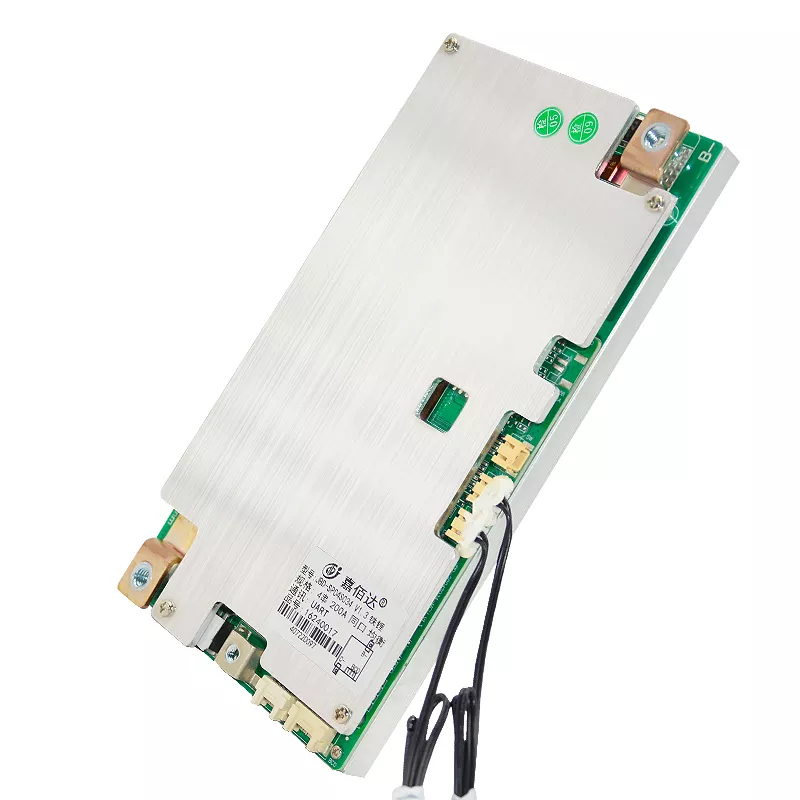
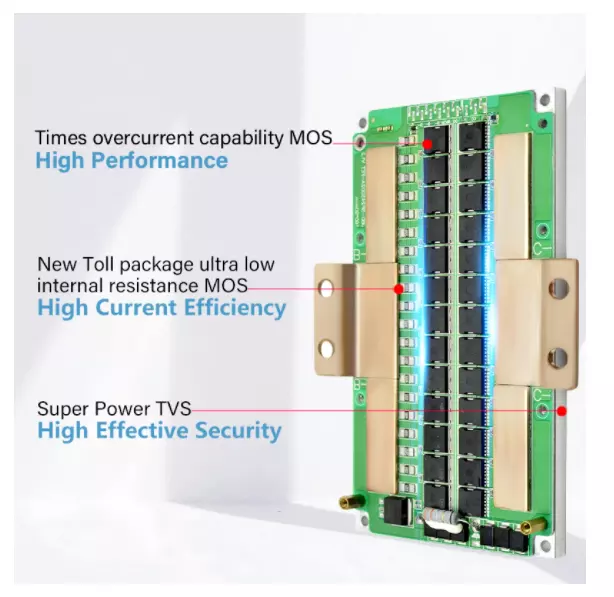
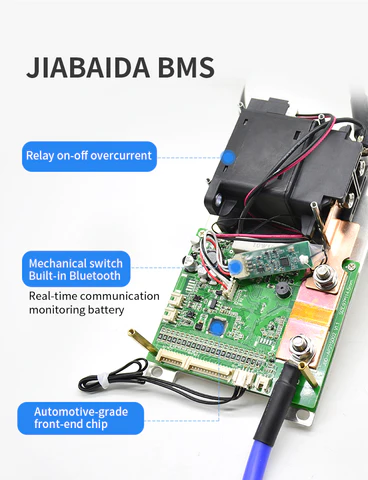
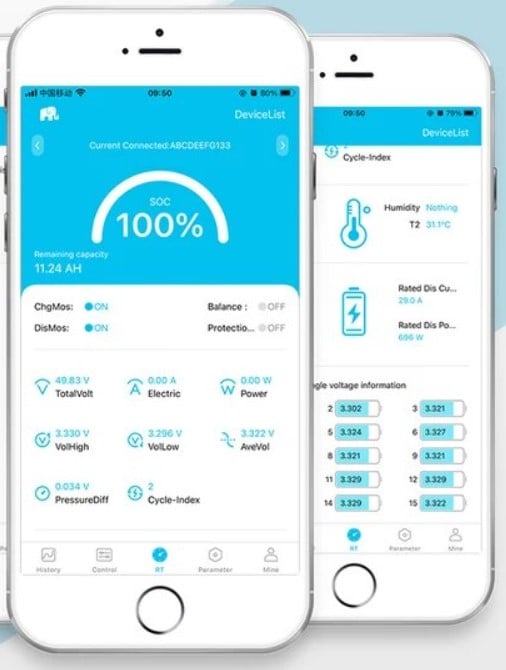
JBD is a popular choice among DIY battery builders and professionals alike. Known for its reliability and affordability, JBD offers a wide range of BMS products suitable for everything from small battery packs to large energy storage systems. It also features smart BMS options with Bluetooth, providing real-time monitoring and control through mobile apps.

Support for Victron, DEYE, Growatt and many other inverters.

Key Features:

  • Available in 12.8V to 48V(51.2V) configurations, with various amp ratings.
  • Both Smart BMS with Bluetooth connectivity for monitoring battery status via an app and Regular BMS, set and forget!
  • Robust passive and active balancing models to keep cell voltages even.
  • Comprehensive protection against overcharge, over-discharge, and over-temperature.
  • Configurable parameters via PC software or mobile app.

Pros:

  • Cost-effective with very reliable performance.
  • Smart features like Bluetooth monitoring and mobile app control.
  • Flexible configuration options.
    Excellent Accuracy for SOC calculations
  • Available in high current ratings, suitable for large packs.
  • Regular firmware updates improve functionality.

Cons:

  • Slightly more complex to set up compared to simpler BMS units.
  • Bluetooth connection range can be limited.
  • Lack of detailed user manual support for first-time users.

Best For:
JBD BMS is well-suited for both DIY enthusiasts and professional battery builders who need reliable, affordable BMS with smart monitoring features. Ideal for medium to large battery packs in solar, RV, and EV applications.


2. JK BMS (JiKong BMS)

Overview:
JK BMS is one of the most advanced BMS systems on the market, especially popular among energy storage professionals. It is known for its robust features, including active balancing, high customization options, and detailed data monitoring. JK BMS is highly regarded for its accuracy, durability, and flexibility, making it ideal for large-scale and critical battery systems. Support for Victron, DEYE, Growatt and many other inverters.

Key Features:

  • Active balancing (dynamic cell balancing) ensures cells are equalized during operation.
  • Bluetooth connectivity for real-time monitoring via a mobile app.
  • Configurable protection parameters for precise control over charging and discharging.
  • Software is good, but not perfect, and support has been poor in 2024 for the new model

Pros:

  • Excellent active balancing capabilities reduce cell degradation and extend lifespan.
  • Detailed monitoring and data logging for precise control.
  • Widely customizable for different applications off-grid systems, and commercial setups.
  • Rugged design with high current and voltage tolerance.
  • Good accuracy for professional energy storage projects.

Cons:

  • More expensive than basic BMS units.
  • Higher learning curve for those new to BMS systems.
  • Requires more time to set up and configure.
  • Quality of materials may be lower, than JBD
  • Software has been buggy.

Best For:
JK BMS is the go-to choice for large-scale, critical energy storage applications where active balancing and precise control are necessary. It is ideal for professional setups, commercial energy storage, and high-performance EVs.


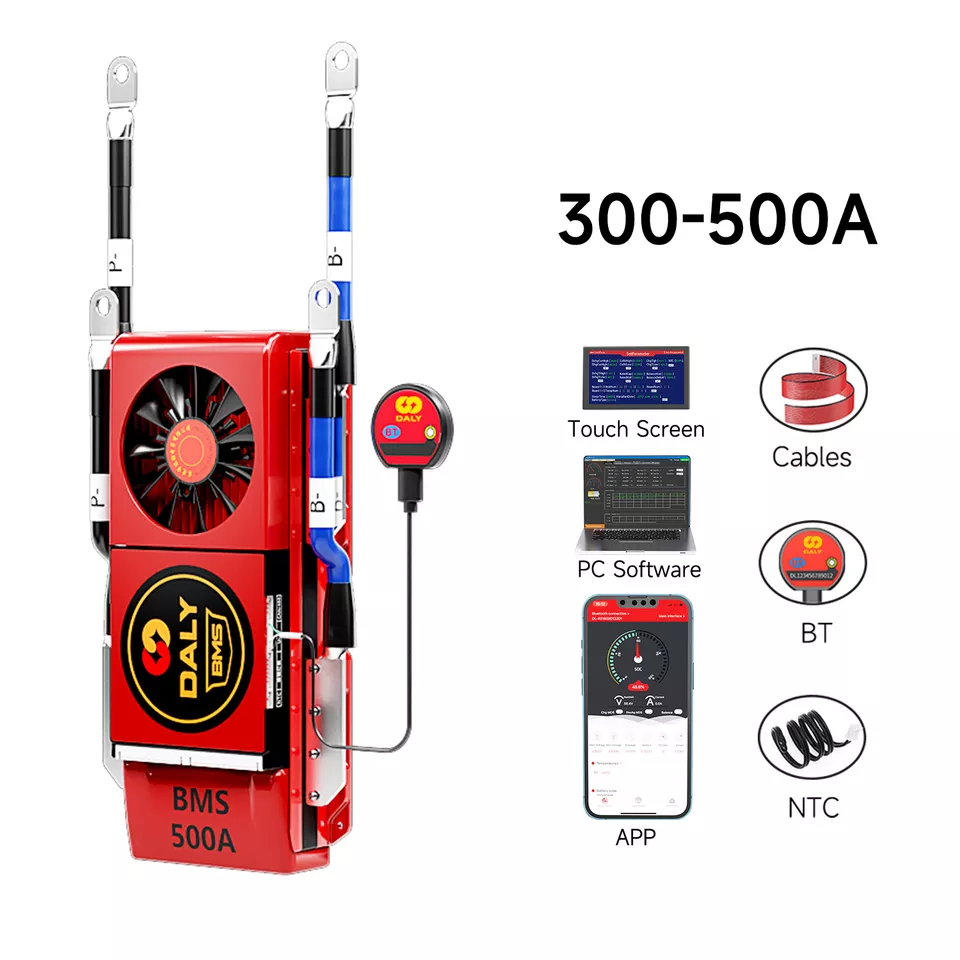
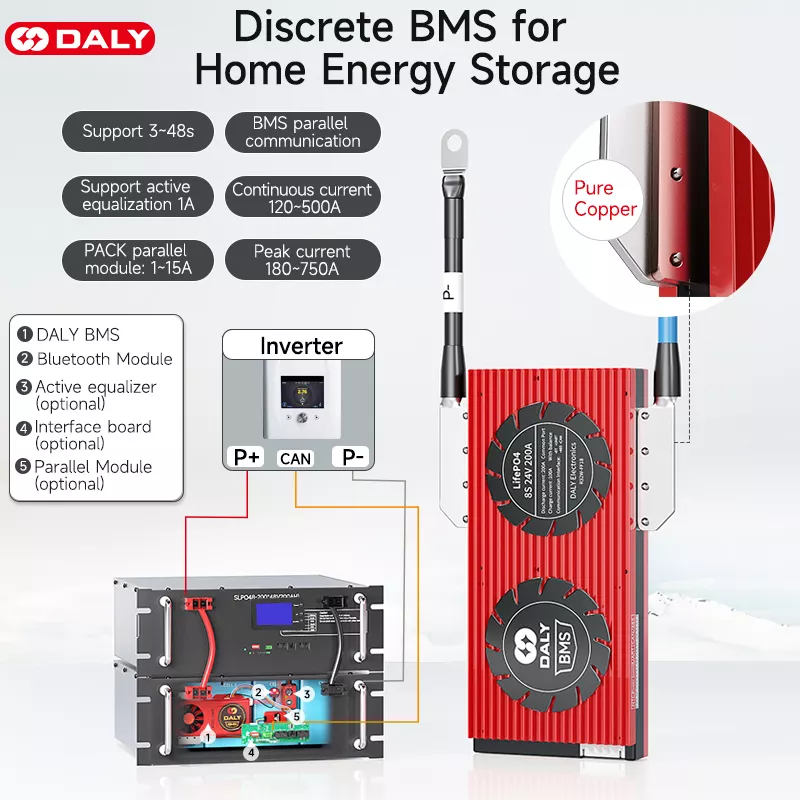
3. Daly BMS

Overview:
Daly BMS is another popular option, especially in the DIY space, due to its affordability and basic functionality. Daly BMS is often used for simple battery systems that don’t require the advanced features seen in more expensive systems like JK or JBD. It offers basic protection for lithium batteries, making it suitable for small energy storage systems or low-demand applications.

Key Features:

  • Basic protection: overvoltage, undervoltage, over-temperature, and short circuit protection.
  • Available in 12V to 48V configurations with various amp ratings.
  • Passive balancing for maintaining cell voltage consistency.
  • Compact design, easy to install, and cost-effective.

Pros:

  • Easy to buy
  • Simple to set up and use.
  • Basic cell balancing and protection features are sufficient for smaller setups.
  • Widely available with many options for different voltage and current requirements.

Cons:

  • Passive balancing is less efficient than active balancing.
  • Less suitable for large or high-performance battery systems.
  • Durability concerns for long-term use in critical applications.
  • Active Cooling is unreliable

Best For:
Daly BMS is ideal for small-scale projects, DIY enthusiasts, and applications where basic protection is sufficient, such as small solar setups, electric bikes, or RVs. However, it may not be the best choice for large or critical energy storage projects.

4. PACE BMS

PACE BMS is designed to offer precise control and management over battery packs, particularly in scenarios where safety, durability, and advanced functionality are critical. It competes with other high-end BMS solutions like JK and REC, offering features that cater to both small and large battery systems. The focus is often on high voltage and high current capabilities, active balancing, and detailed monitoring.

PACE BMS is trusted in many server rack batteries, and is very similar to many other professional grade UPS and ESS storage BMS, with communication with Inverters and other parallel batteries one of the strengths of this product. Support for Victron, DEYE, Growatt and many other inverters.

Key Features of PACE BMS:

  • Passive Balancing: Ensures cells within the battery pack remain balanced, improving the pack’s longevity and performance.
  • High Voltage and Current Support: PACE BMS is designed to handle larger battery packs, making it suitable for industrial energy storage systems and EVs.
  • Smart Monitoring: Bluetooth connectivity, Wi-Fi integration, and real-time monitoring through mobile apps and dedicated displays.
  • Scalability: PACE BMS supports a wide range of voltages and capacities, making it versatile for projects of various sizes.
  • CAN Communication: Allows integration into more complex systems and communication with other components, such as in electric vehicles or sophisticated solar setups.
  • Configurable Protection Settings: Advanced protection for overvoltage, undervoltage, over-temperature, and current surges, with configurable thresholds.

Pros of PACE BMS:

  • Advanced Features: PACE BMS offers high-end features like balancing, real-time monitoring, and CAN communication, making it suitable for professional or industrial-grade systems.
  • High Reliability: It is built with a focus on safety and durability, ensuring optimal performance even under demanding conditions.
  • Great Scalability: Suitable for both small and large battery packs, offering flexibility across different applications.
  • Detailed Monitoring: Real-time feedback on battery health and performance ensures better maintenance and control.

Cons of PACE BMS:

  • Higher Cost: PACE BMS tends to be on the more expensive side compared to options like Daly or JBD, which may not make it ideal for DIY enthusiasts or small-scale projects.
  • Complexity: Due to its advanced features and configuration options, PACE BMS has a steeper learning curve and may require technical knowledge to set up and manage effectively.
  • Overkill for Simple Systems: For small or low-demand projects, PACE BMS may offer more features than necessary, which could result in unnecessary costs.

Best For:

PACE BMS is ideal for large, complex energy storage systems, electric vehicles, or any application that demands high reliability, precision, and detailed monitoring. Its advanced features and robust safety mechanisms make it a top choice for critical systems where performance and safety are paramount.


5. Other Popular BMS Options

Overkill Solar BMS:
Specifically designed for DIY solar energy storage systems, Overkill Solar BMS is known for its user-friendly interface and detailed monitoring features. It offers Bluetooth connectivity and a built-in display for real-time stats, making it a favorite among home solar system installers. Overkill uses modified versions of the JDB BMS, in some cases the same BMS.

REC BMS:
One of the high-end options, REC BMS, is designed for advanced applications requiring detailed control, real-time data, and integration into large, complex systems. It supports both passive and active balancing and is highly customizable, often used in commercial energy storage projects.


Pros and Cons Comparison Table

BMS BrandKey FeaturesProsConsBest For
JBDSmart BMS, Bluetooth, balancing, overcharge/over-temp protectionCost-effective, smart features, reliable performanceComplex setup, low balance currentsDIY and professional setups for solar, EVs, and large battery packs
JKActive balancing, high current, customizable parametersHigh current Active balancing, touchscreen, BluetoothExpensive, steep learning curve, software issuesSmall-scale energy storage, EVs, commercial energy applications
DalyBasic protection, passive balancing, over-voltage/under-voltageEasy to buy, easy to use, basic protectionLacks advanced features, limited balancing capabilitiesSmall DIY projects, basic solar setups, electric bikes
PACEBluetooth, passive balancing, over-temperature protectionHigh price, difficult setup, Bluetooth monitoringLacks advanced features like active balancing, not DIY friendlyCommercial scale solar setups, low-voltage energy storage systems
RECActive balancing, high customization, detailed monitoringHighly customizable, integrates into large systems, active balancingVery expensive, complicated setup
overly complex
Large commercial projects, grid-connected systems, high-end EV setups

Final Thoughts: Which BMS is Right for You?

When it comes to selecting a BMS, the right choice depends on your specific project requirements. Here’s a quick summary to help guide your decision:

  • For DIY enthusiasts or small battery systems: JBD offers the most budget-friendly option with basic protection features. It’s ideal for simple projects like e-bikes or small solar setups.
  • For advanced DIY and professional setups: JBD and JK BMS is a great middle-ground option, providing smart features like Bluetooth monitoring, good balancing, and flexibility in configuration. It’s a solid choice for medium to large battery packs.
  • For large-scale or critical energy storage systems: PACE BMS is the gold standard, offering active balancing, high current handling, and extensive monitoring capabilities. It’s perfect for large energy storage projects, EVs, and commercial applications where reliability and performance are paramount.

Ultimately, the best BMS for your needs will depend on the complexity and scale of your project, as well as your budget. Each BMS option has its strengths, and understanding your specific requirements will help you choose the most suitable one for your system.


Ready to Take Your Energy Storage to the Next Level?

At LiFePO4 Australia, we specialize in helping you choose the best components for your battery systems. Whether you’re looking for a high-end BMS or just starting out with a basic battery pack, we’ve got you covered with expert advice and top-tier products. Contact us today to learn more about our range of BMS options and how we can help you build the perfect battery system!

News Blog
Large Lithium Battery cell sizes potentially coming in 2025

Based on the report from Intersolar Europe 2024, here are the energy storage cells announced to be coming in the near future.

  1. 300Ah+ Cells:
    • Various manufacturers are focusing on 300Ah+ cells, including capacities like 305Ah, 306Ah, 314Ah, 315Ah, 320Ah, 345Ah, and 350Ah.
    • Prominent manufacturers like EVE Energy, REPT and Hithium displayed 306Ah and 314Ah cells, with many already certified for non-China markets.
  2. 500Ah+ Cells:
    • Most major LFP manufacturers have exhibited large-capacity cells, with capacities ranging from 580Ah-1130ah respectively.
    • These 500Ah+ cells are expected to enter non-China markets by the first half of 2025.
  3. 1100ah Mega Cells – Hithium 1130ah, more to follow
  4. 5 MWh- 7MWh+ Energy Storage Systems (BESS): 20FT Containers
  5. Companies like CATL and BYD are developing 5, 6 and 7 MWh+ energy storage containers and systems, with 5 MWh+ systems likely to expand into non-China markets in 2025.

These cells and systems showcase the trend towards higher capacity and energy-efficient solutions in the energy storage industry. The article emphasizes the growth of larger-capacity cells (300Ah+ and 500Ah+), which will play a significant role in upcoming storage solutions across the globe.

500AH+ Cells being manufactured in the near future

Company NameReferencesCapacity (Ah)Weight Energy Density (Wh/hg)Volume Energy Density (Wh/L)Claimed
Cycle Life (Times)
Dimensions (mm)
HiTHIUMYoutube1130180+40015,000
(25Years)
75x580x208
SVOLTsvolt.com73018542011,000+52x500x215
NARADANarada.com690/380-44015,000TBC
ETC63018539010,000+TBC
REPT62512000
(25Years)
REPT58712000
(25Years)
EVElink628185+/12,000+
(20Years)
71x352x207
CATLTBC587 (TBC)185+43018000
(25-30Years)
TBC
VISION580///352x71x205
CORNEXLink625185+430+18000
(25-30Years)
SUNWODA625AH625AH430+15000 (25Years)

All of these cells Lifespans are claimed in laboratory, and Container level, thermally managed installations.
The core temperatures are maintained at 25°C ± 2°C

The Growing Importance of Energy Storage

In the next 30 years, the energy storage industry is expected to experience explosive growth. Industry leaders predict that in 2024 alone, new energy storage capacities will exceed 180GWh. However, with this growth comes increased competition and industry consolidation, as companies with advanced technologies, robust supply chains, and strong brands are better positioned to thrive.

For REPT, which was the first to mass-produce 320Ah energy storage cells in 2023, maintaining technological leadership is key. The release of its new 587Ah and 625Ah cells marks the next step in its efforts to stay ahead in the competitive market.

As all of these manufacturers jostle, they must strive for longer lifespans, better energy efficiency and lighter batteries. All of these factors are important to the future of the World and its Energy needs as it moves away from fossil fuel and into the renewables age.

CATL
In December of last year, CATL began constructing a new production line for its 530Ah energy storage cells. According to industry experts, while the length of these 530Ah cells is extended, their width and thickness remain unchanged, enabling the reuse of the 280Ah production line equipment. The L-series battery cells in CATL’s Tianhang energy storage system boast an energy density of 430Wh/L, with single-cell capacities estimated to be at least 587Ah based on current data.

NARADA
On April 11, NARADA introduced a 690Ah high-capacity energy storage battery with an impressive lifespan of 20 years. Its volume energy density ranges from 380-440Wh/L, with a cycle life reaching up to 15,000 cycles. Each battery delivers more than 2kWh of energy, operating with over 96% efficiency. This battery is compatible with capacities ranging from 650Ah to 750Ah. A 20-foot energy storage system outfitted with this battery can achieve a capacity of 6MWh.

VISION
In May 2023, VISION launched its 580Ah energy storage battery, offering 1.856kWh of energy per cell with a weight of 11kg and a cycle life of 10,000 cycles. The company is planning to establish a 5GWh production base for these cells in Hubei.

ETC
Targeting the long-duration energy storage market (4-8 hours), ETC has developed a 630Ah energy storage battery capable of storing 2016Wh of energy per cell. These batteries offer a cycle life of over 10,000 cycles and an energy efficiency of more than 96%.

EVE
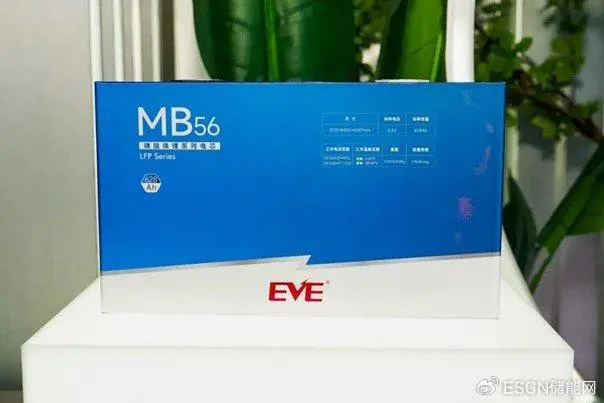
EVE became the first company in China to release 500+Ah battery cells back in October 2022 with its 560Ah LF560K energy storage battery. In August 2023, they introduced a new large laminated smart cell, the LF560K “Mr. Big,” with a capacity of 628Ah, delivering 2.009kWh per cell and a cycle life of 12,000 cycles. Earlier this year, the company announced its 628Ah “Mr. Big” technical route and the 5MWh “Mr. Giant” energy storage system. Production of the LF560K is planned at EVE’s Jingmen base, with an expected capacity of 60GWh. The first phase of the factory is anticipated to be operational by Q2, with full production starting by the end of the year.

TrinaStorage
TrinaStorage recently revealed the successful development of its 500Ah+ high-capacity batteries. According to the company’s director, the 500Ah+ battery represents a major innovation, striking a balance between performance and cost. This design, based on accumulated years of research in battery electrochemistry, optimizes the volume-specific energy density of the standard 20-foot battery compartment, resulting in a well-balanced solution.

HiTHIUM
HiTHIUM set a new industry benchmark with the world’s first long-term energy storage battery featuring a 1130Ah MIC capacity. This battery maintains over 60% SOH (State of Health), ensuring the energy storage system’s service life extends beyond 20 years.

SVOLT
SVOLT has released a 710Ah fly-stack short knife energy storage cell alongside a 660Ah long-life system cell. Recently, the company launched a 730Ah large-capacity short-knife battery, built upon the foundation of its L500-350Ah energy storage cell. This battery offers an energy density of 420Wh/L and a cycle life exceeding 11,000 cycles.

SUNWODA
SUNWODA has announced plans to release a 600+Ah battery program aimed at improving cell integration. This initiative will reduce PACK components by 40%, reinforce the cell structure, and make PACK platforms more adaptable and easier to modify.

News
DEYE INVERTERS SETUP

What a great video we found today. Heaps of good information about how the DEYE inverters work and can be programmed to work specifically with your requirements.

This can be used as a basic guide for those who are completely unfamiliar with the DEYE inverters

In this video, Norby Babos, a technical manager, walks viewers through the setup of a hybrid inverter at the Deye Factory in Ningbo. The video covers key steps like disabling the beeping noise, configuring battery settings, ensuring no energy is fed back into the grid, and adjusting various system parameters for optimal performance. It also demonstrates how to connect the inverter to the DCloud app for remote monitoring and management. The video provides a comprehensive guide for setting up a reverse power system with a battery, ensuring proper operation and monitoring.

News
Safe Installation of LiFePo4 Batteries in Australia

AS/NZS 5139-2019 Compliance Guide for a 15kWh, 51.2V, 300Ah Lithium Battery with LiFePO4 Cells

All of our LiFePro Batteries are designed to comply with IEC62619 for installation to AS/NZS3001.2:2022 standard. Our Lithium batteries are designed to comply to IEC62619 and therefore can usually be installed in most applications.
We are currently working on the application and certificate of IEC62619 for a number of our batteries. You can reach out to find out more by calling us on (07) 4191 6815

Compliance vs. Certification

Compliance:

  • When a battery complies with IEC 62619, it means that the battery has been designed and manufactured to meet the requirements and criteria set out in the IEC 62619 standard.
  • This compliance could be based on internal testing and assessments conducted by the manufacturer to ensure that the battery meets the necessary safety and performance specifications outlined in the standard.

Certification:

  • Certification, on the other hand, involves a formal process where an accredited third-party testing organization tests and verifies that the battery meets the IEC 62619 standard.
  • This process includes rigorous testing under controlled conditions and results in an official certificate or mark that indicates the battery has been independently verified to meet the standard.
  • Certification provides a higher level of assurance and credibility to customers and regulators, as it involves independent validation.

Why Certification Matters

  • Market Acceptance: Many markets, industries, and customers require certified products to ensure safety and reliability. Certification can be a requirement for selling products in certain regions or for use in specific applications.
  • Liability and Compliance: Certification can protect against liability and regulatory issues, as it demonstrates that the product has been independently verified to meet recognized safety standards.
  • Customer Confidence: Certification provides customers with confidence in the quality and safety of the product, which can be a key differentiator in the market.

1. Introduction

AS/NZS 5139:2019 sets the standards for the safe installation of battery energy storage systems (BESS) in Australia and New Zealand. Compliance with this standard ensures the safety and reliability of your lithium battery system. This guide will help you meet these standards for your 15kWh, 51.2V, 300Ah lithium battery containing LiFePO4 cells. To ensure the safety and compliance of your 15kWh, 51.2V, 300Ah lithium battery system, it’s important to adhere to both AS/NZS 5139:2019 and additional regulations specified in AS/NZS 3000:2018

2. System Design

2.1 Battery Specification

  • Capacity: 15kWh
  • Voltage: 51.2V
  • Current: 300Ah
  • Chemistry: Lithium Iron Phosphate (LiFePO4)

2.2 Key Components

  • Battery Management System (BMS)
  • Inverter/Charger
  • Safety Enclosure
  • Circuit Protection Devices (Fuses/Breakers)
  • Cabling and Connectors

3. Installation Site Requirements

3.1 Location

  • Battery Location & Restrictions:
  • Install the battery system in a well-ventilated, cool, and dry area.
  • Avoid direct sunlight and ensure the location is away from flammable materials.
  • Batteries cannot be installed in restricted locations such as near gas appliances and gas cylinders. Specifically, there are exclusion zones for electrical installations near gas relief vent terminals to prevent ignition hazards (AS/NZS 3000:2018, Section 4.18)​ (GSES)​.
  • Ventilation and Environmental Requirements:
  • Ensure the installation site provides adequate ventilation to avoid overheating and accumulation of gases. The location should maintain temperatures within the limits specified by the manufacturer and control humidity levels to prevent condensation​ (Standards.govt.nz)​​ (GSES)​.

3.2 Access and Clearances

  • Ensure clearances around the battery system for maintenance and ventilation as specified by the manufacturer.
  • Allow at least 600mm clearance around the battery enclosure.

3.3 Environmental Conditions

  • Install the system within the environmental conditions specified by the manufacturer (e.g., temperature, humidity).

4. Safety Considerations

4.1 Battery Enclosure

  • Use a non-combustible, weatherproof enclosure with an IP rating appropriate for the installation location (e.g., IP65 for outdoor installations).
  • The enclosure should have ventilation to prevent the accumulation of gases.

4.2 Fire Safety

  • Install fire-resistant barriers as required.
  • Maintain a safe distance from ignition sources.
  • Ensure the system is equipped with a fire suppression system if required by local regulations.
  • Fire Safety and Hazard Protection:
  • Install fire-resistant barriers and maintain safe distances from potential ignition sources. A fire suppression system may be required depending on local regulations​ (Smart Energy Council)​(GSES)​.

4.3 Emergency Shutdown

  • Provide an accessible emergency shutdown switch.
  • Ensure clear labeling and instructions for emergency procedures.
  • Documentation should include detailed installation, operation, and maintenance instructions, along with clear labeling for emergency shutdown procedures​ (Standards.govt.nz)​​ (Clean Energy Council)​.

5. Electrical Installation

5.1 Circuit Protection

  • Install DC fuses or circuit breakers appropriately rated for your battery system to protect against overcurrent conditions. Proper cable sizing is essential to minimize voltage drop and prevent overheating​ (Standards.govt.nz)​​ (GSES)​.

5.2 Cabling

  • Use cables rated for the maximum current and voltage of the battery system.
  • Ensure cables are correctly sized to minimize voltage drop and heat generation.
  • Secure and protect cables against physical damage.

5.3 Earthing and Bonding

  • Earth the battery system according to AS/NZS 3000:2018.
  • Ensure all metallic parts are bonded to prevent electrical shock hazards.

5.4 Inverter/Charger Integration

  • Connect the battery system to the inverter/charger according to the manufacturer’s instructions.
  • Ensure the inverter/charger is compatible with the battery’s voltage and current specifications.

6. Battery Management System (BMS)

6.1 Functions

  • Overcharge/Over-discharge Protection: The BMS monitors the state of charge and prevents the batteries from being overcharged or excessively discharged, which can damage the cells and reduce their lifespan.
  • Temperature Monitoring and Control: The BMS tracks the temperature of the cells and the environment to prevent overheating. It can shut down the system or reduce the charge/discharge rates if temperatures exceed safe levels.
  • Cell Balancing: The BMS ensures that all cells in the battery pack are charged equally, preventing any single cell from becoming a weak link and reducing the overall capacity and lifespan of the battery.
  • Communication: The BMS communicates with external systems like the inverter/charger to provide status updates, alerts, and control signals.
  • Sound Alarm: The BMS must be equipped with an audible alarm to alert users in case of critical issues such as overcharge, over-discharge, overheating, or any other condition that might lead to a hazardous situation. This is part of ensuring that the system can provide immediate alerts to prevent accidents and enable timely intervention.

6.2 Installation

  • Manufacturer’s Instructions: Follow the specific installation instructions provided by the BMS manufacturer. This includes wiring, sensor placement, and configuration settings.
  • Configuration: Set up the BMS to match the parameters of your battery system. This might involve setting voltage thresholds, temperature limits, and other protective settings.

7. Documentation and Labeling

7.1 User Manual

  • Provide a detailed user manual including installation, operation, and maintenance instructions.

7.2 Labels

  • Clearly label the battery system with the following information:
    • Manufacturer name and contact details
    • Model and serial number
    • Electrical ratings (voltage, current, capacity)
    • Safety warnings and emergency shutdown instructions

8. Testing and Commissioning

8. Testing and Commissioning

8.1 Pre-Installation Testing

  • Component Testing: Before installing, test each component (battery cells, BMS, inverter/charger, etc.) to ensure they are functioning correctly. This includes checking for proper voltage, current, and any manufacturer-specific tests.

8.2 Post-Installation Testing

  • Inspection: After installation, perform a thorough inspection to ensure all components are correctly installed, all connections are secure, and there are no signs of damage.
  • Continuity and Insulation Tests: These tests check that the electrical connections are correct and that there are no unintended paths for current that could cause short circuits.
  • Functional Tests: Verify that the BMS and protective devices (fuses/breakers) operate correctly. Simulate fault conditions to ensure they respond appropriately.
  • Inverter/Charger Operation: Check that the inverter/charger correctly charges and discharges the battery and that it communicates effectively with the BMS.

9. Maintenance and Monitoring

9.1 Regular Inspections

  • Conduct regular inspections to ensure the system remains in good condition.
  • Check for signs of wear, corrosion, or damage.

9.2 Monitoring

  • Use monitoring systems to keep track of battery performance and health.
  • Regularly check BMS data for any anomalies or alerts.

10. Compliance and Certification

10.1 Certification

  • Obtain certification from a qualified electrical inspector to ensure the installation complies with AS/NZS 5139:2019.

10.2 Documentation

  • Keep records of all installation, testing, and maintenance activities.
  • Ensure all documentation is available for inspection by regulatory authorities.

News
Whats happening with Batteries, Solar and tecnology Globally in 2024

July 23 2024, the 1st SNE Battery Day, organized by SNE Research, took place in Seoul, South Korea, where Dr. Ren Ren from the Central Research Institute of EVE Energy was invited to participate. Dr. Ren’s presentation on ‘Introduction of eXtreme-Fast-Charging Technology’ attracted widespread attention from the audience. – https://www.evebattery.com/en/news-1827

An important announcement from the CEO of CATL , One Earth Summit in Hong Kong, Dr. Robin Zeng, Chairman and CEO of CATL announces the CATL Shenxing Plus LFP battery. Capable of 4C charging through a combination of tecnologies, such as Ai charging algorithms,

News Lithium Battery-school Manufacturers
CATL’s 18000 Cycle Life LFP Battery Cell: Technological Innovations

In the past couple of years some very significant news has been annouced by CATL, this technology has since also made its way to a number of other LFP manufacturers in China. Such as EVE and Hithium

We are looking at very high cycle life LFP battery cells and the underlying technologies that are being implemented to enable such numbers. It should be noted that these numbers are theoretical, and you should not expect anything close to these in real world applications. Calendar Life ageing plays a significant role in the lifespan of any lithium based battery.

CATL, a leading battery manufacturer, has announced a breakthrough with their new Lithium Iron Phosphate (LFP) battery cell, boasting an impressive cycle life of 18,000 cycles. This achievement is a result of several advanced technologies and innovative approaches in battery chemistry and manufacturing processes.

Key Technologies Implemented:

  1. Fully Nano-Crystallized LFP Cathode Material:
    CATL has pioneered a fully nano-crystallized LFP cathode material based on hard carbon, not graphene, forming a highly efficient super-conductive pathyway. This sophisticated nanostructure promotes the swift extraction and movement of lithium ions, The stability and performance of the cathode are substantially improved, contributing to the extended cycle life and reliability of the battery.
  2. Granular Gradation Technology:
    This technology involves placing every nanometer particle in the optimal position within the cathode. By precisely positioning these particles, CATL has significantly improved the energy density and durability of the battery. This meticulous structuring at the nanoscale level minimizes degradation and ensures uniform performance over many cycles
  3. 3D Honeycomb-Shaped Anode Material:
    The use of a 3D honeycomb-shaped material in the anode helps to increase energy density while effectively controlling the volume expansion during charge and discharge cycles. This design innovation not only boosts the battery’s capacity but also enhances its structural integrity, contributing to its extended lifespan
  4. Advanced Separator Technology:
    The new LFP battery incorporates an ultra-thin, high-safety separator that improves ion transport while maintaining structural stability. This separator technology is crucial for achieving high charging speeds and ensuring safety during operation, which are critical factors for the long-term durability of the battery
  5. Cell-to-Pack (CTP) Technology:
    CATL’s CTP technology eliminates the need for traditional modules, increasing the packing efficiency by about 7%. This optimization allows more active material to be packed into the battery, enhancing its overall performance and extending its cycle life. The CTP approach also simplifies the manufacturing process and reduces costs
  6. Superconducting Electrolyte Formulation:
    The new battery employs a superconducting electrolyte formulation that enhances ion conductivity. This innovation ensures that the battery can charge and discharge at higher rates without compromising its longevity. It also contributes to the battery’s ability to maintain performance in extreme temperatures

Explanation and Implications of Advanced LFP Battery Technologies

Granular Gradation Technology

Granular Gradation Technology involves the meticulous positioning of nanoparticles within the cathode material of a battery. By placing each particle in an optimal position, the technology significantly improves the energy density and durability of the battery. This precise arrangement minimizes degradation and ensures uniform performance over many cycles. This is achieved through advanced nanotechnology techniques, which allow for the controlled deposition and organization of particles at the atomic or molecular level. The structured material resulting from this technology facilitates efficient ion transport, thereby enhancing the battery’s overall performance and lifespan.

Atomic Layer Deposition (ALD) in Battery Manufacturing

Atomic Layer Deposition (ALD) is a technique used to apply ultrathin films to various components of a battery, such as electrodes and separators. ALD works by depositing materials one atomic layer at a time through a series of self-limiting chemical reactions. This process allows for precise control over film thickness and composition, which is crucial for enhancing battery performance. For example, ALD can be used to coat lithium iron phosphate (LiFePO4) electrodes with materials like aluminum oxide (Al2O3), which can improve the electrode’s stability, reduce degradation, and enhance the battery’s cycle life.
Further Research by Video source】【source】【source】.
Further Research from 2020 here

Impact of Mass Production and Economies of Scale:

The implementation of these advanced technologies in mass production is expected to drive down the cost per kilowatt-hour (kWh) of LFP batteries. CATL’s extensive production capacity and economies of scale are instrumental in making these high-performance batteries more affordable and accessible for various applications, including electric vehicles and energy storage systems

Conclusion:

CATL’s 18,000 cycle life LFP battery represents a significant advancement in battery technology, driven by innovations in nano-crystallized cathode materials, granular gradation, and advanced manufacturing techniques. These technologies not only enhance the battery’s performance and safety but also contribute to its long-term durability, making it a game-changer in the field of energy storage

For more detailed information on CATL’s technological advancements and their impact on the battery industry, you can visit the original articles on Electrek and PV Magazine.

Chinese lithium battery manufacturers, including CATL, are indeed utilizing advanced technologies like Atomic Layer Deposition (ALD) to enhance the performance and longevity of their batteries. ALD is employed to apply ultra-thin, uniform coatings on battery components, such as electrodes and separators. This technique improves the stability and efficiency of the batteries, particularly under high-stress conditions such as high voltages and temperatures.

Key Technologies Used:

  1. Atomic Layer Deposition (ALD):
    • ALD allows for the precise application of thin films on battery materials, improving their structural integrity and performance. It helps in forming protective layers on cathodes and anodes, reducing degradation and enhancing cycle life. For example, ALD-coated LiFePO4 electrodes exhibit significantly improved cycle stability and energy density​ (RSC Publishing)​​ (SpringerLink)​.
  2. Granular Gradation Technology:
    • This technology involves the meticulous arrangement of nanoparticles within the cathode material. By placing each particle in an optimal position, the energy density and durability of the battery are significantly enhanced. This structured arrangement minimizes degradation and ensures consistent performance over many cycles​ (RSC Publishing)​.
  3. Nanotechnology and Carbon Nanotubes:
    • The integration of long, thin carbon nanotubes creates highly efficient pathways for ion transmission, enhancing the battery’s fast-charging capabilities. This, combined with additives to improve film permeability, facilitates easier lithium ion movement between electrodes, thereby improving overall battery performance​ (Leading Edge Materials Corp)​.

These innovations are part of the broader trend in the battery industry to improve energy storage solutions through cutting-edge material science and nanotechnology. Chinese manufacturers, particularly CATL, are at the forefront of implementing these technologies to produce high-performance, durable batteries suitable for a wide range of applications, from electric vehicles to large-scale energy storage systems.

More sources in relation to this topic

  1. Winding vs Stacking
  2. ALD (Atomic Layer Deposition) Coating
  3. Trends in modern Lithium manufacturing cells
  4. Winding and Z Stacking link
  5. Winding vs Z Stacking pt2
  6. Electrolyte Additives

In the first few seconds of this video made in 2018 at one of EVE’s battery factories, you will notice the winding of a prismatic cell.

Final Words – Batteries aren’t all the same!

This video made in 2023, shows the EVE factory, with some of its most advanced manufacturing equipment in full operation. We are see in the space of just 4 or 5 years, the speed and yield has increased dramatically. The combination of many technologies has increased the lifespan of a LFP cell.
We currently recommend the use of the MB30 and MB31 cells for 300+ah cells. They are the most advanced cells for Energy Storage made by EVE.
EVE makes more than 50 cells that I am aware of, probably more than 100 if you include some of the lesser known cell types and variants.


One of the best videos we have ever seen to explain what is really happening in the newest generation of LFP cells is this one made by CATL in 2024.

https://youtu.be/0cyz5vXd-xY – It was made private by CATL recently on their YOUTUBE channel. We found a copy of the video in the wayback machine. And though its low resolution, Its still good enough to see the tech in laymans terms.

News Manufacturers
EVE Lithium LFP Cells List 3.2v

A list of cells manufactured by EVE in July 2024.
It details the capacity, energy density, estimated cycle life, weight, and Internal resistance of each cell.

Using this information you might be able to decide what cells suit your application best.
For example the LF50k cell is rated for 7000 cycles at 1C charge and discharge. But its energy density is very low. The main reason it gets such a good rating is because it can be actively cooled or heated in the right application, which can help tremendously with lifespan.
However you will also note that cycle life is now mostly spoken about at 0.5C or P. Meaning much of the information previously released has been further corrected over time.
All of these numbers are best case scenario, and usually at 25 degrees Celsius. So these numbers are basically unattainable in most cases.

ModelCapacity (Ah)Voltage (V)Cycle(time) 25°CInternal Resistance (1KHz)Weight (g)Length × Width × Height (mm)Energy Density (Wh/kg)
LF22K223.224500 (3C/3C)≤0.4mΩ628±10148.7×17.7×131.8112
LF32323.203500 (1C/1C)≤1.5mΩ730±50148.3×26.8×94.3140
LF50F503.201500 (0.5C/0.5C)≤2.0mΩ1035±100148.3×26.7×129.8154
LF50L503.205000 (0.5C/0.5C)≤0.6mΩ1090±50148.6×39.7×100.2154
LF50K503.207000 (1C/1C)≤0.7mΩ1395±50135.3×29.3×185.3114
LF80823.204000 (0.5C/0.5C)≤0.5mΩ1680±50130.3×36.3×170.5156
LF90K903.206000 (1C/1C)≤0.5mΩ1994±100130.3×36.3×200.5144
LF100MA1013.202000 (0.5C/0.5C)≤0.5mΩ1920±100160.0×50.1×118.5168
LF100LA1023.205000 (0.5C/0.5C)≤0.5mΩ1985±100160.0×50.1×118.5164
LF1051053.204000 (0.5C/0.5C)≤0.32mΩ1980±60130.3×36.3×200.5169
LF1251253.224000 (0.5C/0.5C)≤0.40mΩ2390±71200.7×33.2×172.0168
LF1501503.224000 (0.5C/0.5C)≤0.4mΩ2830±84200.7×33.2×207.0170
LF1601603.224000 (0.5C/0.5C)≤0.21mΩ3000±100173.9×53.8×153.5171
LF1731733.224000 (0.5C/0.5C)≤0.25mΩ3190±96173.9×41.06×207.5174
LF2302303.204000 (0.5C/0.5C)≤0.25mΩ4140±124173.9×53.8×207.2177
LF280K2803.208000 (0.5C/0.5P)≤0.25mΩ5490±300173.7×71.7×207.2163
LF3043043.204000 (0.5C/0.5C)≤0.16mΩ5450±164173.7×71.7×207.2178
LF560K5603.208000 (0.5P/0.5P)≤0.25mΩ10700±300352.3×71.7×207.2167
MB303063.2010000 (0.5P/0.5P)≤0.18mΩ5600±300173.7×71.7×207.2174
MB313143.208000 (0.5P/0.5P)≤0.18mΩ5600±300173.7×71.7×207.2179
V211543.222000 (0.5C/0.5C)≤0.5mΩ2755±30110.0×35.7×346.4182
A22178.13.222000 (0.33C/0.33C)≤0.3mΩ3170±230280.7×31.0×88.6180
A24172.13.222000 (0.33C/0.33C)≤0.45mΩ3160±240301.0×36.7×132.5175
A31-V1132.53.222000 (0.33C/0.33C)≤0.45mΩ2370±230194.3×50.7×112.7180
A31-V21413.222000 (Fch/1C)≤0.45mΩ2450±230194.3×50.7×112.7185
A27127.23.212000 (Fch/1C)≤0.45mΩ2220±33088.0×37.2×309.5183
A2887.53.222500 (0.33C/0.33C)≤0.57mΩ1645±30301.8×26.7×94.9171
X