News
Victron GX product

Introduction


Victron GX products are Victron’s state-of-the-art monitoring solution. The family consists of the different GX products, and their accessories.
The GX-device lies at the heart of the system – providing monitoring, and operating as the communication-centre of your installation. All the other system-components – such as inverter/chargers, solar chargers, and batteries – are connected to it. Monitoring can be carried out locally and remotely – via our free-to-use Victron Remote Management portal (VRM). The GX device also provides Remote
firmware updates (link) and allows inverter/charger settings to be changed remotely (VRM Portal).

The GX Family consists of these models: Ekrano GX – Our latest GX product with integrated 7 inch touchscreen.
Cerbo GX – Most commonly used GX product.
Cerbo GX MK2 – Almost identical to the Cerbo GX, this new model has improvements in its VE.Can ports, USB ports and pulse counting. See table below for details, as well as foot note 26.
Cerbo-S GX – Lower cost version, same as normal Cerbo GX but without BMS-Can port, Tank- and Temperature monitoring inputs.
Color Control GX – Our first released GX product, the CCGX has a display and buttons.
Venus GX – The Venus GX has more analog and digital IO, no LCD and is more cost effective than the CCGX.
CANvu GX – The CANvu GX is best for harsh environments – when its IP67 rating and touch LCD is a must.
Octo GX – The Octo GX is particularly suited to medium size installations which have many MPPT Solar Chargers, as it has 10 VE.Direct ports. (EOL (End of line))
Maxi GX – Compared to the other GX devices, the Maxi GX has most CPU power and most VE.Direct ports: 25. This is the GX device to use for large systems with many VE.Direct MPPT Solar Chargers. (EOL (End of line))
Lastly, there is a GX device built into our MultiPlus-II GX and EasySolar-II GX Inverter/chargers.

Available accessories


GX Touch – Touch screen display accessory for the Cerbo GX and Cerbo GX MK2
GX GSM – A 2G and 3G cellular modem. It connects to GX device via USB, and takes a SIM card
GX LTE 4G – A 2G, 3G, and 4G cellular modem. It connects to GX device via USB and takes a SIM card
WiFi USB sticks
Energy Meters – Measures PV Inverter Output where PV Inverters cannot be read-out directly. Also used as a grid meter in an Energy Storage System (ESS)
VE.Can resistive tank sender adapter – Allows a standard resistive tank-level sender to be connected to the GX device. Note that some GX Devices feature resistive tank-level inputs themselves.
GX Touch adapter for CCGX cut-out – An adapter that fits in a cut-out made for a CCGX, into which fits a Cerbo GX. For when upgrading a CCGX system to a Cerbo GX. More details available asap.
Temperature sensor for Quattro, MultiPlus and GX Device – Temperature sensor accessory for the temperature inputs of the Venus GX, Cerbo GX, Cerbo GX MK2, and Ekrano GX.

News
Advantages of Prismatic Cells Over Cylindrical Cells in Energy Storage and Lifespan

The demand for high-efficiency and long-lasting energy storage systems has driven the advancement of lithium-ion battery technologies. Among the dominant formats—cylindrical, prismatic, and pouch cells—prismatic cells have emerged as the superior choice for large-scale energy storage systems (ESS) due to their structural robustness, enhanced energy density, and extended lifespan. This article explores the inherent design advantages of prismatic cells over cylindrical cells, focusing on energy storage capacity, thermal management, safety, and durability.


Introduction

The exponential growth in renewable energy adoption, electric vehicles (EVs), and grid energy storage has elevated the importance of lithium-ion batteries. While cylindrical cells were the industry standard in the early days of lithium-ion technology, prismatic cells are increasingly favored in large-scale energy applications due to their optimized design for energy density and long-term performance.

This article provides an in-depth analysis of the key differences between prismatic and cylindrical cells, emphasizing why prismatic cells are better suited for energy storage applications. The evaluation is framed around critical factors such as energy density, lifespan, safety, thermal stability, and mechanical design.


1. Structural Design and Energy Density

1.1 Cylindrical Cells: The Traditional Design

Cylindrical cells, such as the 18650 or 21700 formats, feature a jellyroll design where electrodes and separators are wound into a cylindrical shape. While this design offers simplicity in manufacturing and scalability for mass production, the shape is not optimized for packing efficiency in space-constrained environments. Dead spaces between cells in a battery pack reduce the volumetric energy density.

1.2 Prismatic Cells: Optimized for Space Utilization

Prismatic cells, on the other hand, feature a flat, rectangular design that allows for optimal space utilization. In battery packs, prismatic cells can be stacked with minimal gaps, resulting in higher volumetric energy density compared to cylindrical cells. This feature is particularly advantageous in energy storage systems and EVs, where space constraints are critical.

1 s2.0 S001346862301513X gr1 lrg1

1.3 Cylindrical vs. Prismatic Cells for High-Performance Applications

Cylindrical cells are often preferred for high-performance applications due to their superior surface-area-to-volume ratio, which facilitates efficient thermal management and energy output in high-discharge scenarios.


2. Lifespan and Durability

2.1 Cycle Life

The cycle life of a lithium-ion battery refers to the number of charge-discharge cycles it can endure before its capacity falls below 80% of the initial value. Prismatic cells typically offer a longer cycle life due to better thermal management and reduced mechanical stress during operation.

  • Cylindrical Cells: More prone to internal resistance growth due to uneven heat distribution within the jellyroll design, potentially leading to a shorter cycle life compared to prismatic cells. However, advancements in cell design have mitigated this issue in high-quality cylindrical cells.
  • Prismatic Cells: With their uniform thermal distribution and robust mechanical design, prismatic cells exhibit lower degradation rates. Premium prismatic cells can achieve cycle lives exceeding 10,000 cycles, making them a popular choice for energy storage systems requiring long operational lifespans.

Analysis:

Cycle life is influenced by factors such as thermal management, mechanical design, and operational conditions. While prismatic cells can offer longer cycle lives due to efficient thermal management, cylindrical cells have also demonstrated substantial cycle life improvements through design enhancements. For instance, a study comparing prismatic and cylindrical lithium-ion batteries found that prismatic cells exhibited better thermal performance at high discharge rates, which can contribute to longer cycle life

Springer Link.


2.2 Mechanical Durability

  • Cylindrical Cells: Due to their relatively thinner steel casings, cylindrical cells are more susceptible to deformation under external mechanical stress. This can increase the risk of damage in applications with high physical demands.
  • Prismatic Cells: Constructed with thicker aluminum casings, prismatic cells provide superior resistance to mechanical stress and physical impacts. This makes them ideal for energy storage systems exposed to environmental stressors, such as vibration or shock.

Analysis:

The mechanical durability of battery cells is crucial in applications subject to physical stress. Prismatic cells, with their robust casing, offer enhanced resistance to deformation. However, cylindrical cells are designed to withstand significant mechanical stress and are widely used in various applications, including electric vehicles, where durability is essential.


3. Thermal Management

3.1 Cylindrical Cells: Thermal Management Strengths

The compact, wound design of cylindrical cells offers a high surface-area-to-volume ratio, which allows for efficient heat dissipation. This reduces the likelihood of thermal hotspots and overheating, supporting higher discharge currents in high-performance applications.

  • Drawback: In scenarios of extreme current demand, improper thermal management can still lead to localized overheating, potentially triggering thermal runaway.

Analysis:

Cylindrical cells benefit from efficient heat dissipation due to their design. However, without proper thermal management, they can develop localized hotspots under high current demands, leading to potential safety risks. Effective thermal management systems are essential to mitigate these risks.


3.2 Prismatic Cells: Thermal Dissipation Characteristics

The flat design of prismatic cells provides a relatively large surface area for heat dissipation. However, as the size of the cell increases, it becomes more challenging to effectively remove heat from the cell’s center. This makes prismatic cells better suited for applications involving lower current demands and large-scale packs, rather than high-performance or extreme discharge applications.

  • Advantage: With efficient thermal management, prismatic cells can achieve longer operational life and reduce the risk of catastrophic failure.

Analysis:

Prismatic cells offer a large surface area for heat dissipation, but their larger size can lead to thermal management challenges, especially in the cell’s core. They are well-suited for applications with moderate current demands. A study on the thermal management of prismatic lithium-ion batteries highlights the importance of effective thermal management systems to prevent thermal runaway and ensure safety

Springer Link.


Thermal Management Comparison

  • Cylindrical Cells: With their superior surface-area-to-volume ratio, cylindrical cells excel at heat dissipation, making them better suited for high-discharge applications that require consistent thermal performance.
  • Prismatic Cells: Optimal for applications with lower current demands, where heat dissipation is less critical. These cells are more efficient in large-scale energy storage systems designed for moderate performance.

Analysis:

Both cell types have distinct thermal management characteristics. Cylindrical cells are advantageous in high-discharge scenarios due to efficient heat dissipation, while prismatic cells are preferable in applications with lower current demands. The choice between cylindrical and prismatic cells should consider specific application requirements, including thermal management needs, mechanical durability, and desired cycle life.


4. Safety Features

4.1 Enhanced Safety in Prismatic Cells

Prismatic cells incorporate robust safety mechanisms, such as thicker aluminum casings, ceramic separators, and pressure-relief vents. These features significantly reduce the likelihood of thermal runaway and internal short circuits. For energy storage applications where safety is paramount, these enhancements make prismatic cells a preferred choice.

4.2 Cylindrical Cells: Safety Concerns

Cylindrical cells are less robust in high-stress environments due to their thinner casings and susceptibility to deformation. Their reliance on external battery management systems (BMS) for safety adds complexity and cost to large-scale applications.


5. Applications in Energy Storage Systems

5.1 Large-Scale Energy Storage

The modular nature of prismatic cells makes them ideal for energy storage systems (ESS). Their high energy density, long lifespan, and efficient thermal management enable them to deliver consistent performance over decades.

5.2 Cylindrical Cells: Limited Utility in ESS

While cylindrical cells excel in high-power, small-scale applications like power tools, their limitations in energy density and thermal management make them less suitable for ESS.

Case Study: Renewable Energy Storage

In large renewable energy installations, prismatic cells provide the durability and reliability required for continuous operation, outpacing cylindrical cells in both performance and cost-effectiveness.


6. Economic and Environmental Considerations

6.1 Cost Efficiency

Although prismatic cells have higher upfront manufacturing costs due to their complex design, their longer lifespan and higher energy density result in lower total cost of ownership (TCO) over time. For ESS, this cost advantage is amplified due to reduced maintenance and replacement costs.

6.2 Environmental Benefits

The longer lifespan of prismatic cells reduces the frequency of battery replacements, minimizing the environmental impact associated with battery manufacturing and disposal.


Conclusion

Prismatic cells outperform cylindrical cells in nearly every metric relevant to energy storage and lifespan. Their superior energy density, robust mechanical design, efficient thermal management, and enhanced safety features make them the ideal choice for large-scale energy storage systems and long-term applications. While cylindrical cells retain their relevance in smaller, high-power applications, the evolution of lithium-ion technology increasingly favors prismatic cells for their ability to meet the demands of modern energy systems.

As the world moves towards a greener, more sustainable future, the role of prismatic cells in facilitating the energy transition cannot be overstated. By addressing the challenges of energy density, safety, and longevity, prismatic cells are poised to become the cornerstone of next-generation energy storage solutions.


References

  1. Battery Design. (2023). Prismatic Cells: An Overview.
  2. Electrochimica Acta. (2023). “Cell Teardown and Characterization of an Automotive Prismatic LFP Battery.”
  3. EV Reporter. (2022). “Comparison of Prismatic and Cylindrical Cell Technologies.”
  4. All About Circuits. (2022). “Lithium-Ion Battery Formats and Their Applications.”
  5. Prismatic Cells winding and z stacking “https://evreporter.com/type-of-prismatic-cells-winding-and-z-stacking-part-1/

What is LP572 and how does it differ in this cell, and others such as the 10000 cycle EVE and 11000 cycle Hithium and 12000 cycle CATL cells
What is LP572?
LP572 is a commonly used electrolyte formulation in lithium-ion batteries. It typically contains a mixture of organic solvents, lithium salts (like LiPF₆), and additives that enhance ionic conductivity, stability, and cycle life. Its main components and properties include:

Organic Solvents: Typically, a mix of ethylene carbonate (EC), dimethyl carbonate (DMC), diethyl carbonate (DEC), or ethyl methyl carbonate (EMC).

EC is a high-dielectric constant solvent, improving the solubility of LiPF₆.
DMC/DEC/EMC act as low-viscosity solvents for better ionic conductivity.
Lithium Salt: Lithium hexafluorophosphate (LiPF₆) is the standard salt, which ensures good ionic conductivity and stability under a range of operating conditions.

Additives: These are tailored to improve solid electrolyte interface (SEI) formation, cycle life, and thermal stability.

Electrolyte in the Tesla Prismatic LFP Cell
The study highlights that the electrolyte used in the Tesla prismatic LFP cell outperforms the standard LP572 in terms of electrochemical stability and cycle life. While the paper doesn’t specify the exact composition of the electrolyte, some key differentiators likely include:

Advanced Additives: The Tesla cell may use a more advanced mix of additives designed for superior SEI formation and cathode stability.
Thermal Stability: The electrolyte is likely engineered to handle the thermal demands of high-energy automotive applications better.
Compatibility with LFP Cathodes: The electrolyte may be optimized for the relatively lower operating voltage and specific requirements of LFP chemistry, which differs from higher-voltage nickel-based cathodes.
Comparison with Other High-Cycle Life Cells
EVE (10,000 Cycle Cells)
Chemistry: LFP-based cells with 10,000 cycle capability are designed for energy storage systems.
Electrolyte: Likely uses advanced additives to enhance cycle life, with a focus on reducing electrolyte degradation at low C-rates (used in BESS applications).
Key Features:
Optimized SEI layer stability on the graphite anode.
Low gas generation to prevent swelling.
High resistance to electrolyte decomposition.

Hithium (11,000 Cycle Cells)
Chemistry: LFP cells engineered with chemistry tweaks for an exceptionally long lifespan.
Electrolyte Enhancements:
Contains additives that minimize microcracking in the cathode and anode over time.
Advanced thermal stability additives to support continuous operation in BESS applications.
Low moisture content during manufacturing, reducing the rate of electrolyte breakdown.
Key Advantage: Longer cycle life due to slower degradation of cathode material.

CATL (12,000 Cycle Cells)
Chemistry: LFP cells with enhanced electrode material quality and a highly engineered electrolyte system.
Electrolyte Features:
Likely proprietary additives for ultra-stable SEI layer formation.
High-performance solvents that resist breakdown even under frequent cycling.
Additives that specifically reduce lithium plating on the anode during high-rate charging cycles.
Cycle Life Edge: CATL achieves extended cycle life through precise control of manufacturing tolerances and electrode surface treatments, in addition to advanced electrolyte formulations.
Key Differences Between LP572 and These High-Performance Cells
Additive Optimization:

LP572 relies on standard additives that offer reasonable performance for commercial-grade cells.
EVE, Hithium, and CATL cells employ advanced and proprietary additives tailored to maximize cycle life.
Thermal Stability:

LP572 performs adequately in moderate conditions.
High-cycle cells use electrolytes engineered for higher thermal stability, which is crucial for extended use in energy-dense systems.
Compatibility with High-Cycle Cathodes:

LP572 may be prone to degradation over many cycles.
High-cycle cells use formulations designed to resist breakdown and maintain conductivity even after thousands of cycles.
Moisture Content: High-cycle cells are manufactured with stricter controls on electrolyte purity, reducing water contamination that can degrade LiPF₆ and generate HF (hydrofluoric acid), leading to cycle life reduction.
Summary
LP572 is a versatile, standard electrolyte for general lithium-ion battery use but is not optimized for ultra-long cycle life applications.

High-cycle life cells from EVE, Hithium, and CATL integrate advanced electrolyte formulations with proprietary additives and strict manufacturing controls to achieve cycle lives of 10,000–12,000 cycles.
The Tesla prismatic LFP cell likely incorporates an intermediate-level electrolyte with better thermal stability and additive design than LP572 but may not match the performance of the specialized formulations in Hithium or CATL cells.
This comparison underscores the importance of electrolyte innovation and material optimization in pushing the limits of cycle life and energy density for different applications. Let me know if you’d like to dive deeper into any specific cell chemistry!

News
CATL EnerOne+ 1P Liquid Cooled Cabinet

Overview:
CATL offers a portfolio of integrated energy storage solutions designed for various scales and applications. Among their product lines, “EnerD” and “EnerC” are two types of turnkey energy storage systems that leverage CATL’s high-performance lithium iron phosphate (LFP) battery technology. Both solutions are engineered to provide safe, reliable, and efficient energy storage for different use cases, from commercial and industrial (C&I) facilities up to utility-scale deployments.

EnerD – Distributed Energy Storage System

  • Application Scenario: EnerD is typically positioned for medium-scale distributed energy storage projects. It’s commonly deployed in commercial buildings, industrial parks, community microgrids, or distribution networks that require flexible and scalable storage solutions.
  • Form Factor and Modularity: EnerD systems are often rack-based or cabinet-based solutions. They can be installed indoors or outdoors and are designed to be easily scaled by adding more modules. This modularity allows customization of the system’s capacity and voltage to match specific energy requirements.

CATL’s 5MWh EnerD series liquid-cooled energy storage prefabricated cabin system took the lead in successfully achieving the world’s first mass production delivery.

EnerD series products use CATL’s new generation of energy storage dedicated 314Ah batteries, equipped with CTP liquid cooling 3.0 high-efficiency grouping technology, optimizing the grouping structure and conductive connection structure of the cells, achieving a 20-foot single cabin power increase from 3.354MWh to 5.0MWh.

Compared with the previous generation of products, the new EnerD series liquid-cooled energy storage prefabricated cabins save more than 20% in floor space, reduce construction work by 15%, and reduce commissioning, operation and maintenance costs by 10%.

  • Key Features:
    • LFP Battery Technology: CATL’s lithium iron phosphate cells provide long cycle life, strong thermal stability, and enhanced safety.
    • Battery Management System (BMS): Integrated BMS ensures optimal performance, monitors state of health (SOH) and state of charge (SOC), and provides comprehensive safety controls.
    • Flexible Integration: EnerD can be integrated with various power conversion systems, on-site renewable generation (like rooftop solar), and energy management systems (EMS) for peak shaving, load shifting, and emergency backup.
    • Distributed Applications: Ideal for localized energy storage setups where balancing local supply and demand, improving power quality, or increasing renewable self-consumption is paramount.
    • CATL’s improved, next generation 10,000 cycle 314AH cell is featured in EnerD

EnerC – Containerized Utility-Scale Solution

  • Application Scenario: EnerC is geared towards larger-scale, often utility-grade energy storage applications. These might include renewable energy integration (wind or solar farms), frequency regulation, capacity reserve, grid stabilization, and large commercial/industrial sites that need significant energy buffering.
  • Form Factor and Deployment: EnerC systems are typically housed in standardized shipping containers (e.g., 20-foot or 40-foot ISO containers), making them easily transportable, relatively quick to install, and straightforward to scale to multi-megawatt-hour (MWh) levels.
  • Key Features:
    • High Energy Density: Uses CATL’s advanced LFP cells arranged in large battery racks, delivering a broad range of capacities. Depending on configuration, these can reach into the hundreds of kWh or multiple MWh per container.
    • Integrated Thermal Management: The container includes HVAC systems or liquid cooling (depending on configuration) to maintain optimal battery temperatures, ensuring consistent performance and longevity.
    • Comprehensive Safety Measures: Fire suppression systems, advanced fault detection, and robust enclosure designs ensure safe operation even in harsh environments.
    • Plug-and-Play Design: Pre-integrated components (batteries, BMS, power conversion devices, EMS, and safety systems) enable rapid deployment and commissioning.
    • Scalability and Flexibility: Multiple EnerC containers can be combined to form large-scale energy storage plants, supporting grid-level functions like peak shaving, load shifting, and ancillary services.

Comparing EnerD and EnerC:

  • Scale:
    • EnerD: More suited for tens to hundreds of kWh or possibly lower MWh ranges in distributed settings.
    • EnerC: Optimized for hundreds of kWh to multi-MWh-scale projects.
  • Deployment Model:
    • EnerD: Often involves indoor/outdoor cabinet or rack installations, potentially scattered across different parts of a facility or distribution grid.
    • EnerC: Self-contained, modular container units designed for centralized placement, easy transport, and quick utility-scale deployment.
  • Use Cases:
    • EnerD: Ideal for commercial buildings, industrial complexes, microgrids, and behind-the-meter use cases where footprint and flexible sizing matter.
    • EnerC: Focused on front-of-the-meter utility projects, large commercial installations, or renewable generation sites requiring substantial, consolidated energy storage.

In Summary:

  • EnerD: A flexible, modular distributed energy storage solution well-suited for medium-scale C&I and community applications.
  • EnerC: A containerized, large-scale, turnkey system designed for utility-level or large commercial energy storage deployments. Both leverage CATL’s proven LFP technology, robust BMS, and integration capabilities, ensuring safe and reliable energy storage solutions tailored to the needs of diverse energy stakeholders.
News
Best Home Battery Storage Systems in Australia: Your Comprehensive Guide

As the Australian energy market rapidly evolves, more homeowners are investing in home battery storage systems to reduce electricity bills, increase energy independence, and make better use of their solar panels. With a growing array of options on the market, it can be challenging to pinpoint which battery solution best fits your needs. In this guide, we’ll break down the leading home battery storage brands available in Australia, explore their key features, discuss important considerations, and outline how to maximize government incentives for a more sustainable energy future.


Why Consider a Home Battery Storage System?

1. Energy Bill Savings:
By storing excess solar energy generated during the day, you can use it in the evening or during peak tariff periods, reducing reliance on the grid and lowering your energy bills.

2. Energy Independence and Reliability:
A properly sized battery storage system can keep the lights on during power outages and help you rely less on fluctuating grid prices.

3. Environmental Benefits:
Shifting away from fossil fuels and optimizing the use of clean solar energy helps reduce your home’s carbon footprint and contribute to Australia’s renewable energy targets.


Key Factors to Consider Before Buying

1. Battery Capacity & Scalability:
Look for systems that match your household’s energy consumption. Consider whether you might want to add capacity in the future; a modular system may be more flexible.

2. Battery Chemistry & Lifespan:
LiFeP04 batteries dominate the market due to their energy density, efficiency, and much longer lifespan compared to lead-acid alternatives. Check the warranty terms and expected cycle life before purchasing.

3. Inverter Compatibility & Monitoring:
Ensure that the battery integrates seamlessly with your solar inverter and offers advanced monitoring through mobile apps or online portals. This helps you track energy production and usage in real-time.

4. Warranty & Support:
A generous warranty (often 10 years) and reliable customer support are crucial. Australia’s climate can be challenging, so choose a manufacturer and installer known for quality and longevity.


Top Home Battery Storage Systems in Australia

1. Tesla Powerwall 2

  • Why It’s Popular: The Tesla Powerwall 2 is well-known for its sleek design, generous 13.5 kWh capacity, and dependable lithium-ion battery chemistry.
  • Key Features:
    • Integrated inverter for easy installation
    • Scalable (multiple units can be combined)
    • Comprehensive warranty (10 years)
    • Real-time energy monitoring via the Tesla mobile app
  • Our two cents, The Tesla Powerwall 2 and 3, are expensive per KWh, they are the Apple of batteries, the software is extremely simple, but crucially the payback period makes this battery too expensive for most people. It could be that it was cheaper to buy your power from your retailer, which defeats the purpose for most people.

2. LG Energy Solution (LG Chem RESU)

  • Why It’s Popular: LG is a trusted electronics brand, and their RESU line offers various battery capacities suitable for different household sizes.
  • Key Features:
    • Compact design, wall or floor-mounted installation
    • High energy density and durability
    • Compatible with a wide range of inverters
    • Industry-leading warranty support
  • Our two cents, LG although once a dominant brand name in Australia, has a terrible track record with their choice of chemistry, almost all of LG’s batteries installed in Australia are at high risk of fire, due to software and hardware problems. They have a current recall, that has been going on for years, Their choice to us the Li-Ion chemistry NMC in their RESIDENTIAL range of batteries is just in our optinion “very poor form“, their choice was to save money on cells, rather than choose the safer LFP chemisty.

3. Enphase Encharge

  • Why It’s Popular: Enphase is known for microinverter technology, and the Encharge battery is designed for seamless integration into Enphase-based solar systems.
  • Key Features:
    • Modular units for easy capacity expansion
    • Real-time monitoring through the Enphase Enlighten app
    • Lithium-iron-phosphate chemistry for enhanced safety and longevity
  • Our two cents, expensive and proprietary, enough said?. Not our recommendation

4. BYD Battery-Box

  • Why It’s Popular: BYD, a global leader in battery manufacturing, offers flexible storage systems that are highly customizable for both small and large homes.
  • Key Features:
    • Scalable modular design
    • Lithium-iron-phosphate chemistry ensuring safety and longer cycle life
    • Compatibility with multiple inverter brands
  • Our two cents, BYD although one of the largest LFP cell manufacturers in the world for EVs, is asking for more money than a Tesla Powerwall 2 or 3. The Tesla Powerwall 2 and 3 includes a large AC coupled inverter, so for small homes, you would choose that before even considering the BYD batteries. On the other hand, niether of these 2 include a MPPT. So they both loose points and go to the bottom of our pile

5. Redflow ZBM Batteries

  • Why It’s Popular: Redflow is an Australian company offering zinc-bromine flow batteries. While less common than lithium-ion, they excel in hot climates and deliver a consistent depth of discharge.
  • Key Features:
    • Excellent performance in high temperatures
    • Inherently safe, non-flammable chemistry
    • Long lifespan and no capacity fade over time
  • Our two cents, forget it, this battery technology is dead in the water, too expensive for anything residential, not only that, they have closed for business, gone into administration.
    LiFePo4 has dropped so low in price, that all other batteries are basically dead in comparison.

6. Sonnen Home Battery Systems

  • Key Features: Sonnen batteries are renowned for their German engineering, high-quality lithium-iron-phosphate cells, and intuitive software platform. They integrate smart home energy management, allowing you to monitor and optimize energy usage.
  • Why Consider Sonnen: Sonnen’s established global reputation, local Australian support, and long warranties make them popular with homeowners seeking a reliable, premium solution.

7. Alpha ESS

  • Key Features: Alpha ESS units are modular and can be stacked to increase storage capacity. Their systems feature lithium-iron-phosphate chemistry for enhanced safety and longevity and come with user-friendly monitoring apps.
  • Why Consider Alpha ESS: An emerging favorite in Australia, Alpha ESS is often praised for competitive pricing, flexible capacity, and strong after-sales support.

8. PowerPlus Energy LiFe Series

  • Key Features: PowerPlus Energy is an Australian manufacturer specializing in lithium-iron-phosphate batteries designed for local conditions. Their products are built with scalability, durability, and straightforward integration in mind.
  • Why Consider PowerPlus: The local R&D and manufacturing element ensures products are tailored to Australian climates, with a strong focus on quality and robustness.

9. SolaX Battery Solutions

  • Key Features: SolaX offers hybrid inverters and compatible storage batteries, providing a cohesive system from one brand. Their batteries are designed to integrate seamlessly with SolaX inverters, enabling efficient charging and discharging.
  • Why Consider SolaX: If you’re looking for a one-brand solar plus storage package, SolaX’s integrated solutions can simplify installation and maintenance.

10. Sungrow Battery Storage

  • Key Features: Sungrow, a well-known inverter manufacturer, also provides compatible battery modules. These lithium-based units are designed for simple installation and are compatible with Sungrow hybrid inverters, delivering an all-in-one solution.
  • Why Consider Sungrow: For homeowners already considering Sungrow inverters, pairing them with Sungrow-branded storage units can streamline the system design and service experience.

11. Pylontech Battery Modules

  • Key Features: Pylontech’s modular, rack-mounted lithium-iron-phosphate batteries are popular in both off-grid and hybrid setups. They are known for stable performance, long cycle life, and versatility across different inverter brands.
  • Why Consider Pylontech: If you want a flexible, proven battery that can scale up over time and work with multiple inverter platforms, Pylontech is a solid contender.

12. SimpliPhi Power Batteries

  • Key Features: SimpliPhi’s lithium-ferrous-phosphate batteries are prized for their high round-trip efficiency, deep discharge capacity, and ability to operate at a wide range of temperatures.
  • Why Consider SimpliPhi: Ideal for those seeking a robust, long-lived solution with the flexibility for off-grid or hybrid setups and a preference for simplified, maintenance-free operation.

Maximizing Government Incentives and Rebates

Australia’s states and territories often provide incentives to encourage the adoption of solar battery storage:

  • Victoria’s Solar Battery Rebate:
    The Victorian government offers low or no interest loans for eligible households installing solar battery systems. Check the Solar Victoria website to see if your postcode qualifies.
  • SA Home Battery Scheme:
    South Australians can access subsidies and low-interest loans through the Home Battery Scheme, significantly reducing upfront costs.
  • Future Programs and Updates:
    Other states, like New South Wales and the ACT, periodically roll out pilot programs and incentives. Always consult your state’s energy department or reputable solar installers for the latest information.

Choosing the Right Installer

Selecting a certified and experienced installer is just as important as choosing the right battery. Look for the following:

  • Clean Energy Council (CEC) Accreditation:
    Installers who hold CEC accreditation have demonstrated expertise in designing and installing solar and battery systems safely and effectively.
  • Local Experience and Reviews:
    Opt for local installers who understand state-specific incentives, weather conditions, and grid regulations. Check online reviews and request customer references.
  • Comprehensive Quotes & After-Sales Support:
    A good installer will provide transparent quotes, detailing equipment, warranties, and installation timelines. They should also offer ongoing support, annual servicing, and troubleshooting assistance.

Tips for Getting Started

  1. Assess Your Energy Usage:
    Review your electricity bills to understand daily kWh consumption. This will help in sizing a suitable battery system.
  2. Compare Multiple Quotes:
    Don’t rush into a deal. Gather at least three quotes from different installers, compare warranties, pricing, and included services.
  3. Integrate with Solar Panels:
    If you don’t have solar panels yet, consider pairing both solar and battery installations to maximize your clean energy supply and qualify for bundled discounts.
  4. Monitor Performance:
    After installation, regularly check your battery performance. This helps ensure you’re getting the most out of your investment and can make informed adjustments to energy usage patterns.

The Bottom Line

Investing in a home battery storage system in Australia can yield significant long-term savings, enhance your energy resilience, and support a greener future. By understanding your household’s energy needs, exploring top-performing brands, leveraging government incentives, and partnering with experienced installers, you’ll be well on your way to securing the best energy storage solution for your home. Whether you choose a Tesla Powerwall 2 or any of the other products you can rest assured that you’re joining the growing community of Australians embracing clean, reliable, and future-focused energy solutions.

News
Low Voltage (LV) 51.2V LiFePO4 Batteries

The Smarter Energy Choice for Australian Households

Low Voltage (LV) 51.2V LiFePO4 batteries are transforming the way Australian homes generate, store, and use energy. Whether you’re aiming for energy independence with an off-grid system or enhancing your on-grid solar setup, these batteries provide unparalleled reliability, safety, and efficiency.

Discover why they’re the perfect fit for your energy needs.


Why Choose LV 51.2V LiFePO4 Batteries?

  1. Safety and Reliability
    • Stable Chemistry: LiFePO4 batteries are among the safest lithium chemistries, with a proven track record for thermal and chemical stability.
    • Long Lifespan: Designed for durability, these batteries can deliver up to 10,000+ cycles, ensuring 10–15 years of reliable performance.
    • LV (low voltage) For most residential, off-grid, or backup power systems, 51.2V LiFePO4 batteries offer a compelling combination of safety, simplicity, flexibility, and cost-efficiency.
  2. Optimal Performance for Solar Applications
    • High Efficiency: Maximize your energy usage with minimal losses during charge and discharge.
    • Consistent Output: Delivers stable voltage throughout its charge cycle, making it ideal for sensitive electronics and high-power devices.
  3. Cost-Effective Energy Storage
    • Lower total cost of ownership compared to alternatives
    • Reduced reliance on grid power saves you money on electricity bills.
  4. Environmentally Friendly

Cost-Effectiveness

  1. Lower Upfront Costs:
    • 51.2V LiFePO4 batteries are significantly cheaper per kWh compared to proprietary systems like the Tesla Powerwall.
    • Proprietary systems often include built-in software, branding, and installation costs that drive up the price.
  2. No Forced Ecosystem: Proprietary systems like the Powerwall include built in inverters and often lock you into a particular ecosystem, increasing overall costs.With 51.2V batteries, you can choose compatible inverters, chargers, and monitoring systems to match your budget and needs.

Perfect Pairing with DEYE and Victron Inverters

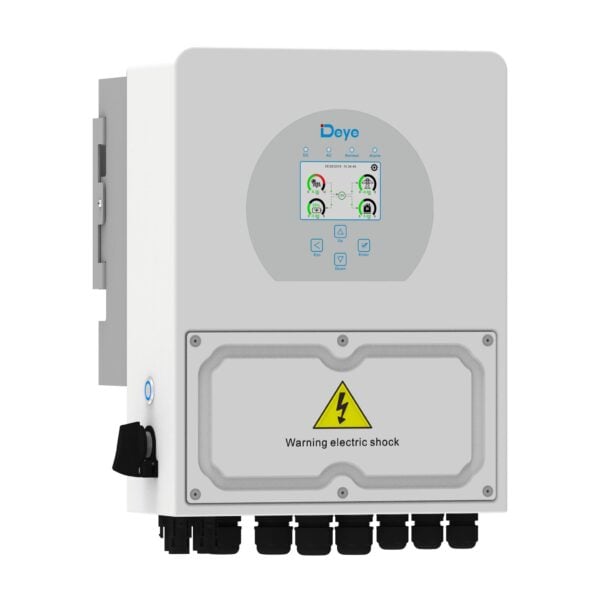
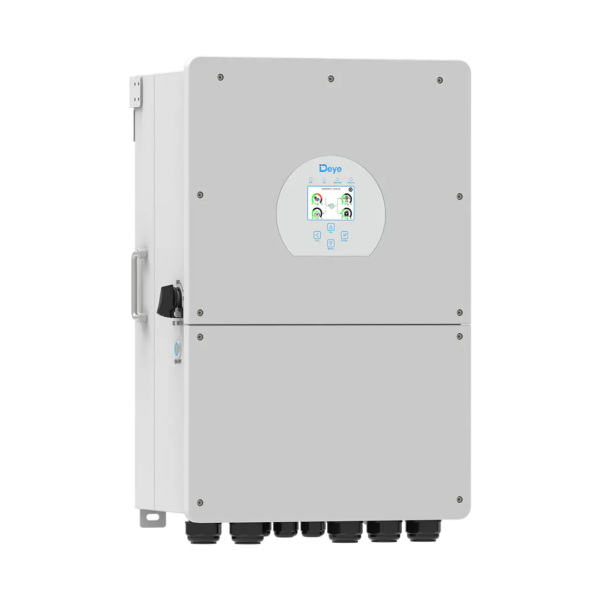
When paired with advanced inverters like the DEYE Hybrid LV SUN-5K-SG04LP1-AU or a Victron AC Coupled System, LV 51.2V batteries integrate seamlessly into your home energy system.

  • DEYE Hybrid Inverters: Provide robust support for off-grid systems or grid-tied setups with backup functionality.
  • Victron AC Coupled Systems: Expand your existing solar system without replacing your existing PV inverter, offering flexibility and reduced cost.
  • Understanding AC Coupling: AC coupling refers to the configuration where both the battery inverter (e.g., MultiPlus-II) and the grid-tied solar inverter are connected on the AC side of the system. In this setup, the solar inverter supplies AC power, which can be used directly by AC loads or converted by the MultiPlus-II to charge the batteries.
  • 2. Frequency Shifting for Power Regulation: The MultiPlus-II utilizes frequency shifting to manage the output of the grid-tied solar inverter, especially during off-grid operation or when battery charging is complete. By slightly increasing the AC frequency, the MultiPlus-II signals the solar inverter to reduce its output, thereby preventing battery overcharging and potential system overloads.
  • Victron Energy
  • 3. Adhering to the Factor 1.0 Rule: It’s crucial to ensure that the maximum power output of the grid-tied solar inverter does not exceed the VA rating of the MultiPlus-II. This “Factor 1.0” rule helps prevent scenarios where sudden load drops could lead to battery overcharging or AC voltage spikes. For instance, a 3,000 VA MultiPlus-II should be paired with a solar inverter whose output does not exceed 3,000 W.
  • Victron Energy
  • 4. Compatibility with Frequency Shifting: Not all solar inverters support frequency shifting. It’s essential to verify that your existing solar inverter can respond appropriately to frequency changes initiated by the MultiPlus-II. Some inverters have settings or modes (often referred to as “island mode” or “micro-grid mode”) that enable this functionality. Consult your solar inverter’s documentation or manufacturer to confirm compatibility.

These pairings deliver an adaptable energy solution tailored to Australian households, whether you’re starting fresh or enhancing an existing solar system.


On-Grid or Off-Grid: Versatility for Every Home

Off-Grid Applications:

  • Reliable Power Supply: Ideal for rural properties or areas with limited grid access, providing consistent electricity.
  • Energy Storage: Store excess solar energy for use during nighttime or cloudy days, ensuring uninterrupted power availability.
  • Petrol or Diesel Generators can offer a backup in the rare weather events such as long periods of overcast or cloudy weather.

On-Grid Solutions:

  • Cost Reduction: Lower electricity bills by maximizing solar self-consumption, reducing reliance on grid electricity.
  • Backup Power: Ensure seamless operation during grid outages, keeping your household running smoothly.
  • Energy Storage for Peak Times: Store generated solar energy for use during evening peak rate periods, optimizing energy usage and savings.

Virtual Power Plants (VPPs):

Participating in a VPP allows you to leverage your battery storage to generate income by exporting stored energy to the grid during high-demand periods.

Amber Electric

Some customers have already started to join the Amber/Evergen as mentioned here
(this is a new integration, and therefor now its complete, people can enjoy control over there systems like never before) we think of this as the open source version of Solar and Battery storage. The more people who join, the better it is for all of us together)


Why Australians Are Switching to Low Voltage (LV) LiFePO4 Batteries

  • With rising energy costs and frequent grid instability, more Australians are turning to renewable energy solutions. LV 51.2V batteries ensure you can harness and store solar power efficiently while reducing your carbon footprint.

Your Trusted Partner in Energy Storage

At LiFePo4 Australia, we specialize in providing high-quality 51.2V LiFePO4 batteries tailored for Australian conditions. Whether you’re looking to power your home sustainably or achieve complete energy independence, our team is here to guide you every step of the way.


Ready to Upgrade Your Energy System?

Take control of your energy future with LV 51.2V LiFePO4 batteries. Contact us today to learn more or explore our range of battery and inverter solutions for Australian households.

News
Comparison of Tesla Powerwall 3 vs DEYE 12kW Inverter Hybrid + 32kWh LiFePO4 Battery

The Tesla Powerwall 3 vs DEYE 12kW Inverter Hybrid paired with a 32kWh LiFePO4 battery are both high-quality energy storage solutions, but they cater to different needs in terms of power output, scalability, and use cases. Let’s dive deeper into the differences between these two systems, keeping in mind that they are priced similarly but have key differences in features and applications.


1. Battery Technology

Tesla Powerwall 3:

  • Battery Type: The Tesla Powerwall 3 uses Lithium Iron Phosphate (LiFePO4) technology. LiFePO4 is a safer, more thermally stable chemistry compared to others like NMC (Nickel Manganese Cobalt), and it has a longer life expectancy due to its resistance to degradation.
  • Capacity: The Tesla Powerwall 3 has a 13.5 kWh usable energy capacity per unit.
  • Cycle Life: The Powerwall 3 is rated for 10,000 cycles with a 70% Depth of Discharge (DoD). This means that after 10,000 cycles, the battery will retain 70% of its original capacity.
  • Expected Lifespan: Given the cycle life and typical usage patterns, the Powerwall 3 is designed to last for about 10-15 years with regular use.
  • Price : About $13,900
    Installation ($1500-$4000) Total Cost $15490 (lowest) -$16900
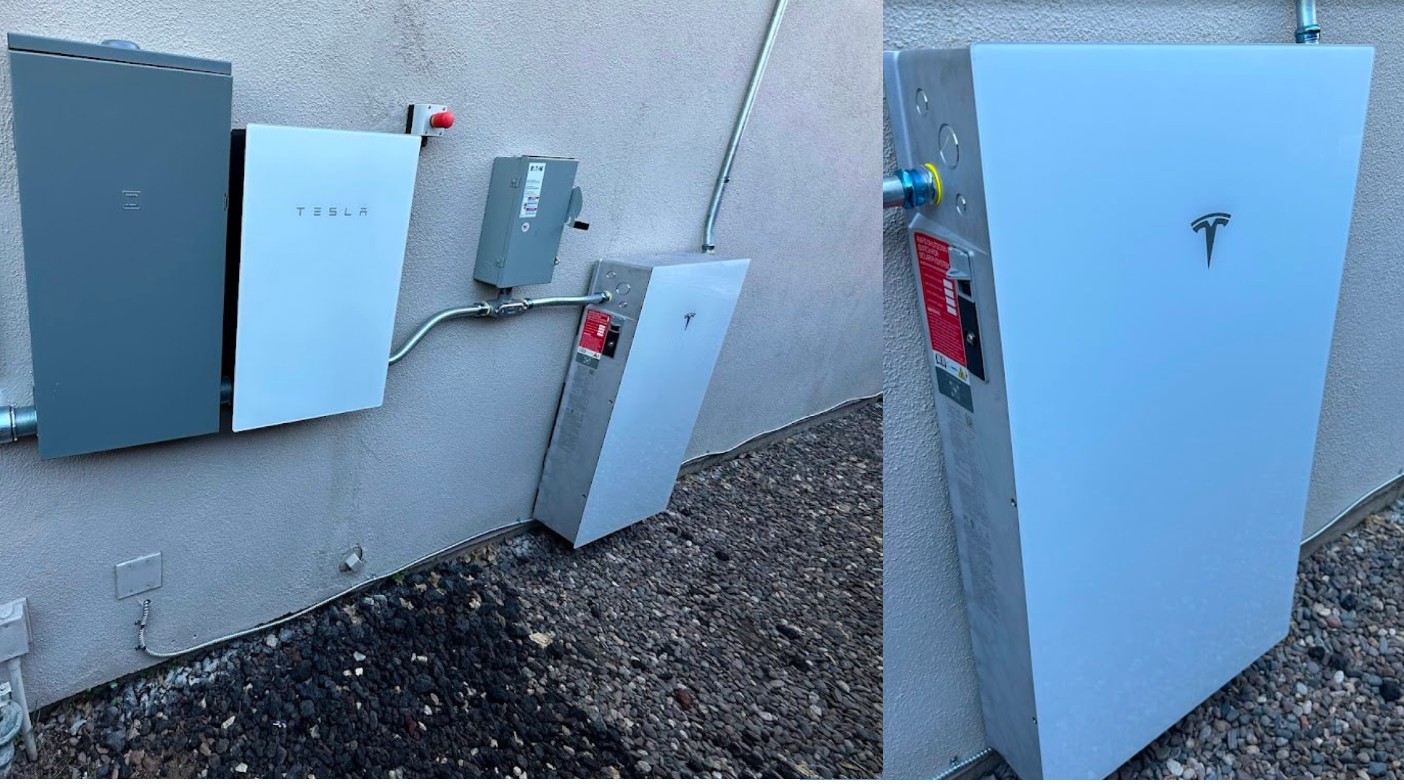
Tesla powerwall 3 installation

DEYE 12kW Inverter Hybrid + 32kWh LiFePO4 Battery:

  • Battery Type: This system also uses LiFePO4 battery technology, which is known for its long cycle life, high stability, and safety. It is ideal for residential and commercial applications requiring reliable energy storage.
  • Capacity: The 32kWh LiFePO4 battery offers significantly more storage capacity than the Powerwall 3, providing more flexibility for larger homes, small businesses, or applications with higher energy consumption.
  • Cycle Life: The DEYE battery has a 10,000 cycle lifespan with a 70% DoD, similar to the Tesla Powerwall. This ensures the battery can last 10-20 years of use, making it a highly durable solution.
  • Expected Lifespan: The expected lifespan of the DEYE system is also around 10-20 years depending on usage.
  • Cost (Industry Average) $4999 Inverter + $15,000 Batteries (Cost $19999)
    Our Price $3000+ $10000 ($13000)
    Installation ($2000-$3500) Estimated
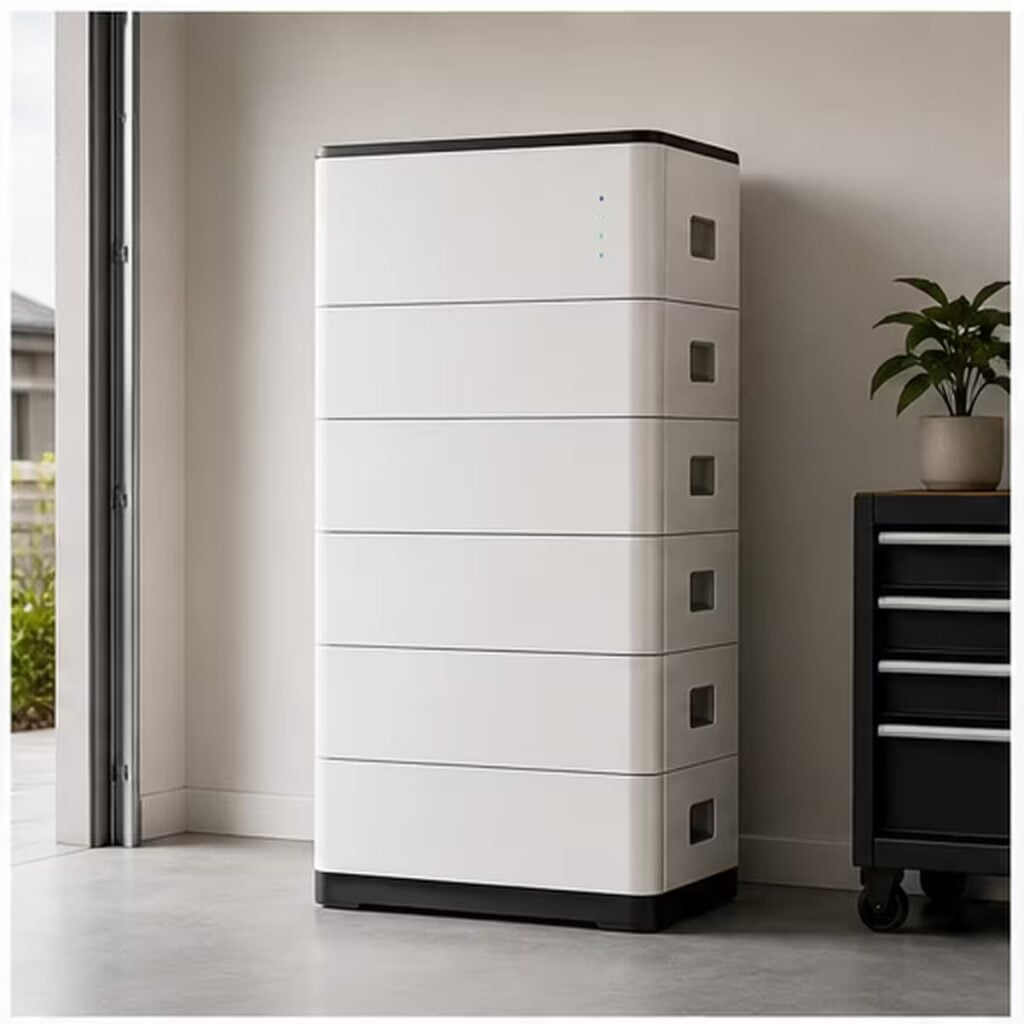
Deye16Kw 64Kw lifepo4 edited

2. Power Output and Inverter Integration

Tesla Powerwall 3:

  • Inverter Power: The Powerwall 3 has a 11.04kW continuous output. This is suitable for standard residential applications, providing enough power for essential appliances and some larger loads during peak demand.
  • Efficiency: The Powerwall 3 achieves around 90% round-trip efficiency, meaning that about 90% of the energy stored in the battery can be utilized when discharging.
  • Integration: The Powerwall 3 comes as an integrated unit, meaning the battery and inverter are built into a single unit. This simplifies installation and operation, especially for those who prefer a plug-and-play solution.
  • Backup and Grid Services: The Powerwall 3 is designed for backup power, load shifting, and integration with solar PV systems. It can handle grid services like time-of-use optimization in regions where such features are supported.

DEYE 12kW Inverter Hybrid + 32kWh LiFePO4 Battery:

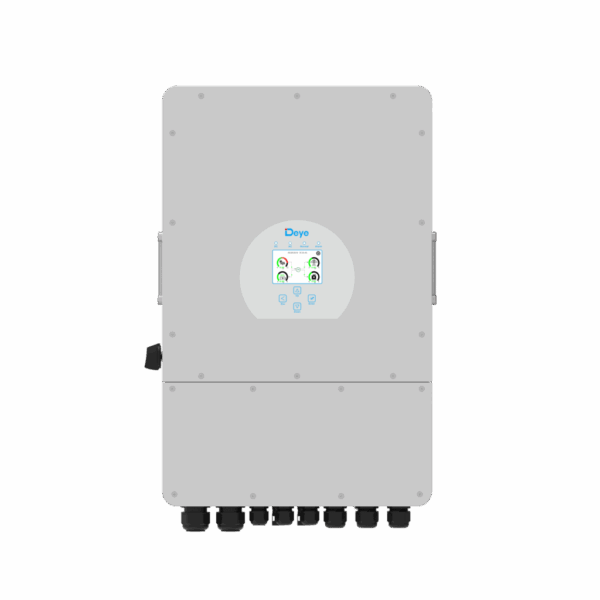
  • Inverter Power: The DEYE system is equipped with a 12 kW inverter, which offers a higher continuous power output than the Powerwall. This makes the DEYE system better suited for larger homes or small commercial applications where high power demand is more common. The 12 kW inverter can handle Peaks of up to 24Kw for larger simultaneous loads and is more suitable for scenarios where energy needs are more varied.
  • Efficiency: The DEYE inverter achieves higher efficiency, typically around 95% round-trip efficiency, which is slightly more efficient than the Powerwall 3.
  • Integration: The DEYE system is a hybrid solution, which means it separates the inverter and the battery. This allows for more flexibility and customization, making it suitable for larger systems or those who need more modularity. The DEYE system is generally seen as a more flexible solution for off-grid or grid-connected applications, depending on user needs.
  • Backup and Off-Grid: Like the Powerwall, the DEYE system can be used for backup power and integration with solar PV. However, due to the larger inverter size and higher storage capacity, it is better suited for applications requiring extended backup power or those that need to operate off-grid.

3. Scalability and Flexibility

Tesla Powerwall 3:

  • Scalability: The Powerwall 3 can be easily stacked by adding additional units, each providing 13.5 kWh of storage. For example, you could install two Powerwalls for 27 kWh of storage or more if needed, with each unit sharing the same inverter.
  • Use Case: Powerwall 3 is ideal for residential use, and scaling is designed to be as straightforward as possible for consumers who want a reliable solution with minimal complexity. However, scalability is somewhat limited to the Powerwall’s 13.5 kWh increments, which may not be sufficient for larger homes with heavy energy demands unless multiple units are installed.

DEYE 12kW Inverter Hybrid + 32kWh LiFePO4 Battery:

  • Scalability: The DEYE system offers greater flexibility in terms of expansion. If you require more storage, you can easily add additional batteries or even a second inverter to expand the system’s capacity and output.
  • Modular Design: Unlike the Powerwall, the DEYE system’s modular nature allows for more complex configurations. This is useful for those looking for an energy storage solution that can scale over time or that needs more customization.
  • Use Case: The DEYE system is more appropriate for larger residential setups, small businesses, or even off-grid systems, where you might need both more power and more storage in a scalable, flexible package.

4. Warranty and Lifecycle

Tesla Powerwall 3:

  • Warranty: The Tesla Powerwall 3 comes with a 10-year warranty, ensuring peace of mind for consumers. This warranty covers the system’s performance, and if it drops below 70% capacity, Tesla will replace or repair the unit.
  • Cycle Life: The battery is rated for 10,000 cycles to 70% End-of-Life (EOL), meaning it should last for 10-15 years depending on usage.
  • Support and Maintenance: Tesla provides strong customer support and professional installation services, which is beneficial for homeowners who want a turnkey solution.

DEYE 12kW Inverter Hybrid + 32kWh LiFePO4 Battery:

  • Warranty: The DEYE system also comes with a 10-year warranty, covering both the inverter and the battery. This warranty ensures that both components maintain their performance over a decade.
  • Cycle Life: Like the Powerwall, the DEYE system’s battery is also rated for 10,000 cycles to 70% DoD, ensuring long-term durability and reliability.
  • Support and Maintenance: While DEYE’s support network might not be as extensive as Tesla’s, it is well-regarded in the industry, and the system can be installed by certified installers who specialize in hybrid and off-grid energy solutions.

5. Design and Installation

Tesla Powerwall 3:

  • Design: The Tesla Powerwall 3 has a sleek and compact design, with a minimalistic aesthetic that fits well in modern homes. It is designed for both indoor and outdoor installation and comes with a weatherproof enclosure.
  • Installation: Installation is generally simplified because the Powerwall is a complete, integrated system. It can be installed by a Tesla-certified installer, and the process tends to be quick and hassle-free.
  • Space Requirements: The Powerwall is relatively small, making it a good fit for homes with limited space for energy storage.

DEYE 12kW Inverter Hybrid + 32kWh LiFePO4 Battery:

  • Design: The DEYE system is larger and bulkier compared to the Powerwall, as it separates the battery and inverter. This modular design is more customizable, but it may not be as visually appealing for those who prefer a sleek, integrated solution.
  • Installation: The installation process can be more complex due to the separate components, requiring certified installers with experience in hybrid systems. However, it offers greater flexibility and customization options for larger or off-grid systems.
  • Space Requirements: The DEYE system may require more space, especially for both the inverter and the battery. It is more suitable for utility rooms, garages, or larger installations.
  • Upgradability – This system is flexible, modular and vastly lower cost to add addtional solar and battery.

6. Cost-Effectiveness and Value

Tesla Powerwall 3:

  • Price: The Tesla Powerwall 3 is generally more expensive on a per kWh basis than other energy storage systems, due to its integrated design and high demand. While it offers excellent reliability, the cost per unit of storage is higher when compared to the DEYE system.
  • Cost per kWh: The price per kWh for the Powerwall 3 is higher due to its compact, fully integrated nature, making it a premium solution for residential applications where space and ease of use are priorities.

DEYE 12kW Inverter Hybrid + 32kWh LiFePO4 Battery:

  • Price: The DEYE system offers a better value per kWh of storage because you get 32 kWh of capacity and a 12 kW inverter for roughly the same price as the Powerwall. This gives you significantly more power and storage at the same price point, making it a more cost-effective option for those with higher energy needs.
  • Cost per kWh: Given the larger capacity and higher inverter power, the cost per kWh is lower compared to the Powerwall 3, making it a better option for larger homes or small businesses requiring more storage.

7. Backup Power and Off-Grid Capabilities

Tesla Powerwall 3:

  • Grid-Tied & Backup Power: The Powerwall 3 excels in grid-tied scenarios and provides excellent backup power during outages, but it is not designed for full off-grid use without additional units.
  • Off-Grid Compatibility: To fully operate off-grid, you would need multiple Powerwalls, along with solar panels, to meet the energy demands of a larger home or off-grid scenario.

DEYE 12kW Inverter Hybrid + 32kWh LiFePO4 Battery:

  • Backup & Off-Grid: The DEYE system is more versatile for off-grid setups, as its larger inverter and battery allow for full standalone operation. It is also ideal for homes or businesses where a reliable backup power solution is needed.
  • Off-Grid Flexibility: Due to the larger capacity and inverter power, the DEYE system can handle larger off-grid or backup power needs more efficiently than the Powerwall 3.

Summary of Key Differences

FeatureTesla Powerwall 3DEYE 12kW Inverter Hybrid + 32kWh LiFePO4
Battery Capacity13.5 kWh32 kWh
Battery ChemistryLiFePO4 (Lithium Iron Phosphate)LiFePO4 (Lithium Iron Phosphate)
Cycle Life10,000 cycles to 70% EOL10,000 cycles to 70% EOL
Inverter Power7 kW continuous, 10 kW peak12 kW continuous
Efficiency~90%~95%
Warranty10 years10 years
ScalabilityStackable (13.5 kWh per unit)Modular (expandable with extra inverters and batteries)
Use CaseResidential, grid-tied, backup powerLarger homes, small businesses, off-grid, backup power
DesignCompact, integrated, sleekLarger, modular, more customizable
InstallationOnly approved Tesla agentsModular installation, Might require more planning
Cost per kWhHigher (due to integration and design)Lower (better value for large capacity)

Conclusion

  • Tesla Powerwall 3 is ideal for residential users who need a simple, integrated energy storage solution with a sleek design and reliable performance. It excels in grid-tied and backup power scenarios and is easy to install and manage. It better suits those who may own Tesla vehicles.
  • DEYE 12kW Inverter Hybrid + 32kWh LiFePO4 Battery offers more capacity, higher inverter power, and greater scalability. It’s better suited for larger homes, small businesses, or off-grid systems where higher power output and storage capacity are necessary.

If you need a larger, more flexible system with greater storage and power, the DEYE system offers better value. If you prefer a turnkey, compact solution with proven reliability for typical residential needs, the Tesla Powerwall 3 is an excellent choice.

Battery Compare lifepo4 australia 3d 1
Battery Compare lifepo4 australia cycle cost 3d
News
Australian VPP Providers

In Australia, numerous energy companies offer Virtual Power Plant (VPP) programs, enabling households and businesses to integrate their solar and battery systems into a larger network. This integration enhances grid stability and provides potential financial benefits. Here is a comprehensive list of VPP providers: Australian VPP Providers

Find a Virtual Power Plant Program

Select your state or type a battery/inverter brand to see which VPPs are available.

VPP ProgramRegionsSupported Batteries/InvertersNotes
Amber – SmartShiftNSW, SA, VIC, ACT, SE QLDAlphaESS, Goodwe, Growatt, Eveready, Redback, Sungrow, Tesla Powerwall, SolarEdge, SolaX, LG, Sigenergy, Ambrion, Deye, Empower, Energiser, ESY, GivEnergy, RedX, SAJ, Solis, SunPower…Wholesale pricing for exports; user‑defined reserve; minimum battery 9 kWh.
AGL – BYO BatteryNSW, VIC, QLD, SATesla Powerwall, SolarEdge Energy Bank, LG Home Battery (with SolarEdge), Sungrow HV battery.Requires AGL plan; ~20 % reserve; sign‑up bonus plus credits.
EnergyAustralia – BatteryEaseNSW, VIC, SAAlphaESS, Ambrion, Eveready, Hive, GivEnergy, Goodwe, Growatt, LG, Redback, Sigenergy, SolarEdge, Sungrow, SunPower, Tesla Powerwall…BatteryEase plan required; typical reserve 20 %; bill credits.
ENGIE – VPP AdvantageNSW, VIC, SA, SE QLDAlphaESS, Empower, Sigenergy, Sungrow, Tesla Powerwall (via Evergen).Sign‑up credits; pays for discharge events.
GloBird – Zero Hero VPPVIC, SE QLDSolaX Triple Power, Sigenergy, Redback, Sungrow (via Evergen), Tesla Powerwall.“Power credits” for discharge events; standard GloBird rates.
Nectr – Evolve BEE VPPNSW, VIC, SE QLDAlphaESS, Goodwe, Growatt, Sigenergy, Sungrow, Tesla Powerwall, Qcells (Nectr Qells).Nectr electricity plan required; provides bill credits.
Origin – Loop VPPVIC, SE QLDTesla Powerwall, AlphaESS, Eveready, Goodwe, SolaX, LG Chem, Sungrow.$200 sign‑up credit and $1 per kWh for events; reserve required.
Powershop – Charge ForceSA, VIC, NSW, SE QLDTesla Powerwall, LG, SolarEdge and other Reposit/Evergen‑compatible systems.Earn “grid credits”; battery purchase subsidy may apply.
Diamond Energy – WATTBANKSE QLD, VICAlphaESS, Goodwe, Growatt, LG, Sungrow.Earn WATTBANK credits when your battery discharges.
Tesla – Energy Plan / SA VPPSA, NSW, VIC, SE QLDTesla Powerwall only.High feed‑in tariff through Energy Locals; ~20 % reserve.
ShineHub – Community VPPNSW, SA, SE QLDHinen/Sigenergy batteries and selected Sungrow or Goodwe inverters.Five‑year contract; discounted hardware; fixed export rate.
SolarHub VPPACTLG Chem RESU, Tesla Powerwall, SolarEdge and SolaX systems.Upfront rebates and bill credits; 10 % reserve; no retailer lock‑in.
Reposit – “No Bill”NSW, SE QLD, SA, ACTSolaX Triple Power batteries and Redback inverters (Reposit compatible).Seven‑year contract; customers pay upfront for the system but have no energy bills.
Plico EnergyWAAlphaESS and Redback batteries.Leased system; monthly fee covers maintenance and VPP participation.

There is a standout in our opinion and that is Amber Electric.

Amber Electric: Offers a VPP program that provides real-time wholesale electricity pricing, allowing customers to optimize energy usage and storage.

We believe DEYE inverters have one of the best offerings for quality, and value for money.
Amber partners with Evergen, who lists compatible inverters Evergen – DEYE

Q. What does this mean?
A.
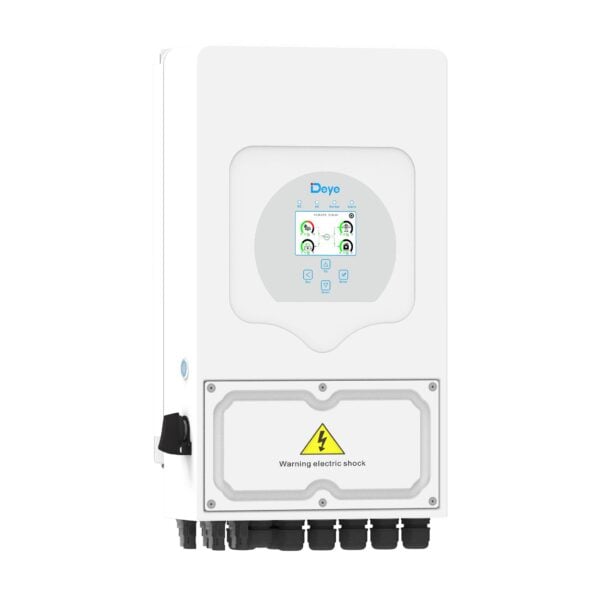
It means if you install a Deye inverter from the list provided such as the single phase SUN-10K-SG01LP1-AU or SUN-10K-SG02LP1-AU  (Low Voltage Battery) This inverter ticks all the right boxes for a large number of Aussie households.

You can connect any compatible CEC Approved Battery and join Amber or any other VPP that supports the DEYE inverter.

Whats the Catch?
At this time, only some of Australia’s energy networks and retailers support VPP.
The list is available here

The following list is not verified, this list was created in a effort to identify what options are available, it is not tailored to Home and business providers, but its a starting point for you to DYOR, (do your own research)

  1. AGL Energy: Offers the “Bring Your Own Battery” program, allowing customers with compatible batteries to join their VPP and receive bill credits. Solar Quotes
  2. Origin Energy: Provides the “Loop VPP” program, connecting home solar batteries to optimize energy use and support the grid. Origin Energy
  3. Engie – Supports the Tesla Powerwall 2
    https://engie.com.au/residential/energy-efficiency/engie-vpp/existing-battery
  4. EnergyAustralia: Operates the “PowerResponse” VPP, enabling customers with compatible solar and battery systems to participate and earn incentives. Energy Australia
  5. ShineHub: Offers a community-based VPP, providing participants with high feed-in tariffs for energy exported from their batteries. Australian Energy Market Commission
  6. Reposit Power: Provides VPP solutions that allow customers to earn “grid credits” by exporting stored energy during peak demand periods. Australian Energy Market Commission
  7. Tesla: Operates a VPP in South Australia, integrating Tesla Powerwall batteries to support the grid and offer participants reduced electricity rates. Solar Quotes
  8. Sonnen: Provides the “sonnenCommunity” VPP, which is powered by Amber Electric
  9. Evergen: Offers VPP solutions that optimize the performance of solar and battery systems, providing participants with energy savings and grid support capabilities. Australian Energy Market Commission

Updated list December 2024
National VPP Programs


State-Specific VPP Programs

Victoria (VIC):


Queensland (QLD):


Western Australia (WA):


Australian Capital Territory (ACT):


Tasmania (TAS):

PowerClub Powerbank: PowerClub

Members Energy: Members Energy

Each provider has specific eligibility criteria, compatible equipment requirements, and incentive structures. It’s advisable to consult directly with these companies or visit their websites to determine the best fit for your energy needs and to understand the benefits of participating in their VPP programs.

News Manufacturers
Comprehensive Guide to Battery Management Systems (BMS): Comparing JBD, JK, PACE, Daly, and More

In today’s rapidly expanding energy storage market, Battery Management Systems (BMS) play a critical role in the health, safety, and performance of lithium batteries. Whether you are building a battery for a solar setup, electric vehicle (EV), or DIY energy storage system, choosing the right BMS is essential for managing battery performance, extending lifespan, and protecting against potential hazards.

This guide will delve into some of the most popular and well-regarded BMS options available in the market, including JBD, JK, and Daly, analyzing their features, reliability, and overall performance. We’ll also highlight the pros and cons of each system to help you make an informed decision based on your specific requirements.

What is a Battery Management System (BMS)?

A BMS is an electronic system that manages a rechargeable battery, such as lithium-ion or lithium iron phosphate (LiFePO4), by controlling key functions like charging, discharging, temperature, and overall safety. The BMS ensures that the battery operates within safe limits and helps prolong its lifespan by balancing the cells and protecting against issues like overvoltage, undervoltage, and overheating.

Popular BMS Brands Overview

The BMS market is vast, with many different manufacturers offering various models ranging from budget-friendly basic protection systems to advanced smart BMS options with sophisticated features like Bluetooth connectivity and active balancing. Let’s explore some of the most popular brands:


1. JBD BMS (Jiabaida BMS)

Overview:
JBD is a popular choice among DIY battery builders and professionals alike. Known for its reliability and affordability, JBD offers a wide range of BMS products suitable for everything from small battery packs to large energy storage systems. It also features smart BMS options with Bluetooth, providing real-time monitoring and control through mobile apps.

Support for Victron, DEYE, Growatt and many other inverters.

Key Features:

  • Available in 12.8V to 48V(51.2V) configurations, with various amp ratings.
  • Both Smart BMS with Bluetooth connectivity for monitoring battery status via an app and Regular BMS, set and forget!
  • Robust passive and active balancing models to keep cell voltages even.
  • Comprehensive protection against overcharge, over-discharge, and over-temperature.
  • Configurable parameters via PC software or mobile app.

Pros:

  • Cost-effective with very reliable performance.
  • Smart features like Bluetooth monitoring and mobile app control.
  • Flexible configuration options.
    Excellent Accuracy for SOC calculations
  • Available in high current ratings, suitable for large packs.
  • Regular firmware updates improve functionality.

Cons:

  • Slightly more complex to set up compared to simpler BMS units.
  • Bluetooth connection range can be limited.
  • Lack of detailed user manual support for first-time users.

Best For:
JBD BMS is well-suited for both DIY enthusiasts and professional battery builders who need reliable, affordable BMS with smart monitoring features. Ideal for medium to large battery packs in solar, RV, and EV applications.


2. JK BMS (JiKong BMS)

Overview:
JK BMS is one of the most advanced BMS systems on the market, especially popular among energy storage professionals. It is known for its robust features, including active balancing, high customization options, and detailed data monitoring. JK BMS is highly regarded for its accuracy, durability, and flexibility, making it ideal for large-scale and critical battery systems. Support for Victron, DEYE, Growatt and many other inverters.

Key Features:

  • Active balancing (dynamic cell balancing) ensures cells are equalized during operation.
  • Bluetooth connectivity for real-time monitoring via a mobile app.
  • Configurable protection parameters for precise control over charging and discharging.
  • Software is good, but not perfect, and support has been poor in 2024 for the new model

Pros:

  • Excellent active balancing capabilities reduce cell degradation and extend lifespan.
  • Detailed monitoring and data logging for precise control.
  • Widely customizable for different applications off-grid systems, and commercial setups.
  • Rugged design with high current and voltage tolerance.
  • Good accuracy for professional energy storage projects.

Cons:

  • More expensive than basic BMS units.
  • Higher learning curve for those new to BMS systems.
  • Requires more time to set up and configure.
  • Quality of materials may be lower, than JBD
  • Software has been buggy.

Best For:
JK BMS is the go-to choice for large-scale, critical energy storage applications where active balancing and precise control are necessary. It is ideal for professional setups, commercial energy storage, and high-performance EVs.


3. Daly BMS

Overview:
Daly BMS is another popular option, especially in the DIY space, due to its affordability and basic functionality. Daly BMS is often used for simple battery systems that don’t require the advanced features seen in more expensive systems like JK or JBD. It offers basic protection for lithium batteries, making it suitable for small energy storage systems or low-demand applications.

Key Features:

  • Basic protection: overvoltage, undervoltage, over-temperature, and short circuit protection.
  • Available in 12V to 48V configurations with various amp ratings.
  • Passive balancing for maintaining cell voltage consistency.
  • Compact design, easy to install, and cost-effective.

Pros:

  • Easy to buy
  • Simple to set up and use.
  • Basic cell balancing and protection features are sufficient for smaller setups.
  • Widely available with many options for different voltage and current requirements.

Cons:

  • Passive balancing is less efficient than active balancing.
  • Less suitable for large or high-performance battery systems.
  • Durability concerns for long-term use in critical applications.
  • Active Cooling is unreliable

Best For:
Daly BMS is ideal for small-scale projects, DIY enthusiasts, and applications where basic protection is sufficient, such as small solar setups, electric bikes, or RVs. However, it may not be the best choice for large or critical energy storage projects.

4. PACE BMS

PACE BMS is designed to offer precise control and management over battery packs, particularly in scenarios where safety, durability, and advanced functionality are critical. It competes with other high-end BMS solutions like JK and REC, offering features that cater to both small and large battery systems. The focus is often on high voltage and high current capabilities, active balancing, and detailed monitoring.

PACE BMS is trusted in many server rack batteries, and is very similar to many other professional grade UPS and ESS storage BMS, with communication with Inverters and other parallel batteries one of the strengths of this product. Support for Victron, DEYE, Growatt and many other inverters.

Key Features of PACE BMS:

  • Passive Balancing: Ensures cells within the battery pack remain balanced, improving the pack’s longevity and performance.
  • High Voltage and Current Support: PACE BMS is designed to handle larger battery packs, making it suitable for industrial energy storage systems and EVs.
  • Smart Monitoring: Bluetooth connectivity, Wi-Fi integration, and real-time monitoring through mobile apps and dedicated displays.
  • Scalability: PACE BMS supports a wide range of voltages and capacities, making it versatile for projects of various sizes.
  • CAN Communication: Allows integration into more complex systems and communication with other components, such as in electric vehicles or sophisticated solar setups.
  • Configurable Protection Settings: Advanced protection for overvoltage, undervoltage, over-temperature, and current surges, with configurable thresholds.

Pros of PACE BMS:

  • Advanced Features: PACE BMS offers high-end features like balancing, real-time monitoring, and CAN communication, making it suitable for professional or industrial-grade systems.
  • High Reliability: It is built with a focus on safety and durability, ensuring optimal performance even under demanding conditions.
  • Great Scalability: Suitable for both small and large battery packs, offering flexibility across different applications.
  • Detailed Monitoring: Real-time feedback on battery health and performance ensures better maintenance and control.

Cons of PACE BMS:

  • Higher Cost: PACE BMS tends to be on the more expensive side compared to options like Daly or JBD, which may not make it ideal for DIY enthusiasts or small-scale projects.
  • Complexity: Due to its advanced features and configuration options, PACE BMS has a steeper learning curve and may require technical knowledge to set up and manage effectively.
  • Overkill for Simple Systems: For small or low-demand projects, PACE BMS may offer more features than necessary, which could result in unnecessary costs.

Best For:

PACE BMS is ideal for large, complex energy storage systems, electric vehicles, or any application that demands high reliability, precision, and detailed monitoring. Its advanced features and robust safety mechanisms make it a top choice for critical systems where performance and safety are paramount.


5. Other Popular BMS Options

Overkill Solar BMS:
Specifically designed for DIY solar energy storage systems, Overkill Solar BMS is known for its user-friendly interface and detailed monitoring features. It offers Bluetooth connectivity and a built-in display for real-time stats, making it a favorite among home solar system installers. Overkill uses modified versions of the JDB BMS, in some cases the same BMS.

REC BMS:
One of the high-end options, REC BMS, is designed for advanced applications requiring detailed control, real-time data, and integration into large, complex systems. It supports both passive and active balancing and is highly customizable, often used in commercial energy storage projects.


Pros and Cons Comparison Table

BMS BrandKey FeaturesProsConsBest For
JBDSmart BMS, Bluetooth, balancing, overcharge/over-temp protectionCost-effective, smart features, reliable performanceComplex setup, low balance currentsDIY and professional setups for solar, EVs, and large battery packs
JKActive balancing, high current, customizable parametersHigh current Active balancing, touchscreen, BluetoothExpensive, steep learning curve, software issuesSmall-scale energy storage, EVs, commercial energy applications
DalyBasic protection, passive balancing, over-voltage/under-voltageEasy to buy, easy to use, basic protectionLacks advanced features, limited balancing capabilitiesSmall DIY projects, basic solar setups, electric bikes
PACEBluetooth, passive balancing, over-temperature protectionHigh price, difficult setup, Bluetooth monitoringLacks advanced features like active balancing, not DIY friendlyCommercial scale solar setups, low-voltage energy storage systems
RECActive balancing, high customization, detailed monitoringHighly customizable, integrates into large systems, active balancingVery expensive, complicated setup
overly complex
Large commercial projects, grid-connected systems, high-end EV setups

Final Thoughts: Which BMS is Right for You?

When it comes to selecting a BMS, the right choice depends on your specific project requirements. Here’s a quick summary to help guide your decision:

  • For DIY enthusiasts or small battery systems: JBD offers the most budget-friendly option with basic protection features. It’s ideal for simple projects like e-bikes or small solar setups.
  • For advanced DIY and professional setups: JBD and JK BMS is a great middle-ground option, providing smart features like Bluetooth monitoring, good balancing, and flexibility in configuration. It’s a solid choice for medium to large battery packs.
  • For large-scale or critical energy storage systems: PACE BMS is the gold standard, offering active balancing, high current handling, and extensive monitoring capabilities. It’s perfect for large energy storage projects, EVs, and commercial applications where reliability and performance are paramount.

Ultimately, the best BMS for your needs will depend on the complexity and scale of your project, as well as your budget. Each BMS option has its strengths, and understanding your specific requirements will help you choose the most suitable one for your system.


Ready to Take Your Energy Storage to the Next Level?

At LiFePO4 Australia, we specialize in helping you choose the best components for your battery systems. Whether you’re looking for a high-end BMS or just starting out with a basic battery pack, we’ve got you covered with expert advice and top-tier products. Contact us today to learn more about our range of BMS options and how we can help you build the perfect battery system!

News Blog
Large Lithium Battery cell sizes potentially coming in 2025

Based on the report from Intersolar Europe 2024, here are the energy storage cells announced to be coming in the near future.

  1. 300Ah+ Cells:
    • Various manufacturers are focusing on 300Ah+ cells, including capacities like 305Ah, 306Ah, 314Ah, 315Ah, 320Ah, 345Ah, and 350Ah.
    • Prominent manufacturers like EVE Energy, REPT and Hithium displayed 306Ah and 314Ah cells, with many already certified for non-China markets.
  2. 500Ah+ Cells:
    • Most major LFP manufacturers have exhibited large-capacity cells, with capacities ranging from 580Ah-1130ah respectively.
    • These 500Ah+ cells are expected to enter non-China markets by the first half of 2025.
  3. 1100ah Mega Cells – Hithium 1130ah, more to follow
  4. 5 MWh- 7MWh+ Energy Storage Systems (BESS): 20FT Containers
  5. Companies like CATL and BYD are developing 5, 6 and 7 MWh+ energy storage containers and systems, with 5 MWh+ systems likely to expand into non-China markets in 2025.

These cells and systems showcase the trend towards higher capacity and energy-efficient solutions in the energy storage industry. The article emphasizes the growth of larger-capacity cells (300Ah+ and 500Ah+), which will play a significant role in upcoming storage solutions across the globe.

500AH+ Cells being manufactured in the near future

Company NameReferencesCapacity (Ah)Weight Energy Density (Wh/hg)Volume Energy Density (Wh/L)Claimed
Cycle Life (Times)
Dimensions (mm)
HiTHIUMYoutube1130180+40015,000
(25Years)
75x580x208
SVOLTsvolt.com73018542011,000+52x500x215
NARADANarada.com690/380-44015,000TBC
ETC63018539010,000+TBC
REPT62512000
(25Years)
REPT58712000
(25Years)
EVElink628185+/12,000+
(20Years)
71x352x207
CATLTBC587 (TBC)185+43018000
(25-30Years)
TBC
VISION580///352x71x205
CORNEXLink625185+430+18000
(25-30Years)
SUNWODA625AH625AH430+15000 (25Years)

All of these cells Lifespans are claimed in laboratory, and Container level, thermally managed installations.
The core temperatures are maintained at 25°C ± 2°C

The Growing Importance of Energy Storage

In the next 30 years, the energy storage industry is expected to experience explosive growth. Industry leaders predict that in 2024 alone, new energy storage capacities will exceed 180GWh. However, with this growth comes increased competition and industry consolidation, as companies with advanced technologies, robust supply chains, and strong brands are better positioned to thrive.

For REPT, which was the first to mass-produce 320Ah energy storage cells in 2023, maintaining technological leadership is key. The release of its new 587Ah and 625Ah cells marks the next step in its efforts to stay ahead in the competitive market.

As all of these manufacturers jostle, they must strive for longer lifespans, better energy efficiency and lighter batteries. All of these factors are important to the future of the World and its Energy needs as it moves away from fossil fuel and into the renewables age.

CATL
In December of last year, CATL began constructing a new production line for its 530Ah energy storage cells. According to industry experts, while the length of these 530Ah cells is extended, their width and thickness remain unchanged, enabling the reuse of the 280Ah production line equipment. The L-series battery cells in CATL’s Tianhang energy storage system boast an energy density of 430Wh/L, with single-cell capacities estimated to be at least 587Ah based on current data.

NARADA
On April 11, NARADA introduced a 690Ah high-capacity energy storage battery with an impressive lifespan of 20 years. Its volume energy density ranges from 380-440Wh/L, with a cycle life reaching up to 15,000 cycles. Each battery delivers more than 2kWh of energy, operating with over 96% efficiency. This battery is compatible with capacities ranging from 650Ah to 750Ah. A 20-foot energy storage system outfitted with this battery can achieve a capacity of 6MWh.

VISION
In May 2023, VISION launched its 580Ah energy storage battery, offering 1.856kWh of energy per cell with a weight of 11kg and a cycle life of 10,000 cycles. The company is planning to establish a 5GWh production base for these cells in Hubei.

ETC
Targeting the long-duration energy storage market (4-8 hours), ETC has developed a 630Ah energy storage battery capable of storing 2016Wh of energy per cell. These batteries offer a cycle life of over 10,000 cycles and an energy efficiency of more than 96%.

EVE
EVE became the first company in China to release 500+Ah battery cells back in October 2022 with its 560Ah LF560K energy storage battery. In August 2023, they introduced a new large laminated smart cell, the LF560K “Mr. Big,” with a capacity of 628Ah, delivering 2.009kWh per cell and a cycle life of 12,000 cycles. Earlier this year, the company announced its 628Ah “Mr. Big” technical route and the 5MWh “Mr. Giant” energy storage system. Production of the LF560K is planned at EVE’s Jingmen base, with an expected capacity of 60GWh. The first phase of the factory is anticipated to be operational by Q2, with full production starting by the end of the year.

TrinaStorage
TrinaStorage recently revealed the successful development of its 500Ah+ high-capacity batteries. According to the company’s director, the 500Ah+ battery represents a major innovation, striking a balance between performance and cost. This design, based on accumulated years of research in battery electrochemistry, optimizes the volume-specific energy density of the standard 20-foot battery compartment, resulting in a well-balanced solution.

HiTHIUM
HiTHIUM set a new industry benchmark with the world’s first long-term energy storage battery featuring a 1130Ah MIC capacity. This battery maintains over 60% SOH (State of Health), ensuring the energy storage system’s service life extends beyond 20 years.

SVOLT
SVOLT has released a 710Ah fly-stack short knife energy storage cell alongside a 660Ah long-life system cell. Recently, the company launched a 730Ah large-capacity short-knife battery, built upon the foundation of its L500-350Ah energy storage cell. This battery offers an energy density of 420Wh/L and a cycle life exceeding 11,000 cycles.

SUNWODA
SUNWODA has announced plans to release a 600+Ah battery program aimed at improving cell integration. This initiative will reduce PACK components by 40%, reinforce the cell structure, and make PACK platforms more adaptable and easier to modify.

News
DEYE INVERTERS SETUP

What a great video we found today. Heaps of good information about how the DEYE inverters work and can be programmed to work specifically with your requirements.

This can be used as a basic guide for those who are completely unfamiliar with the DEYE inverters

In this video, Norby Babos, a technical manager, walks viewers through the setup of a hybrid inverter at the Deye Factory in Ningbo. The video covers key steps like disabling the beeping noise, configuring battery settings, ensuring no energy is fed back into the grid, and adjusting various system parameters for optimal performance. It also demonstrates how to connect the inverter to the DCloud app for remote monitoring and management. The video provides a comprehensive guide for setting up a reverse power system with a battery, ensuring proper operation and monitoring.

X