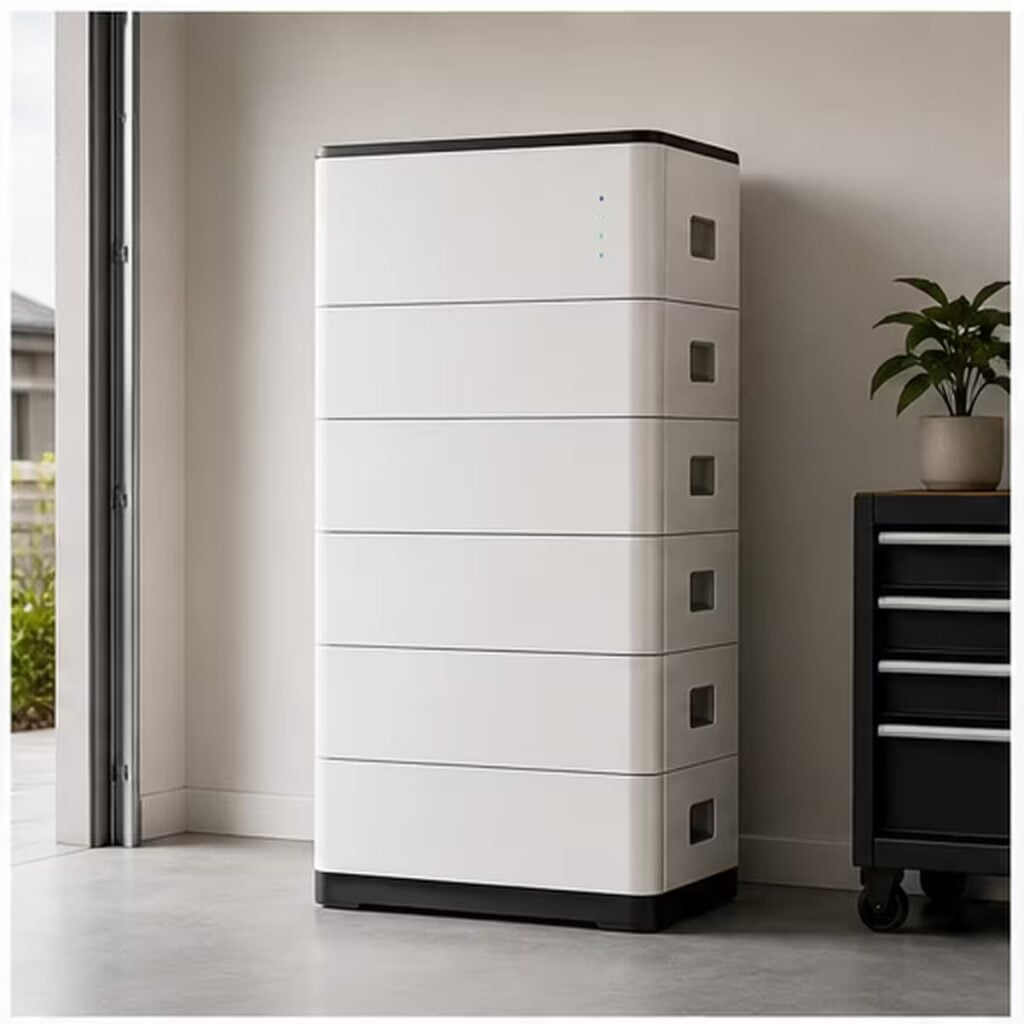

Best Home Battery Storage Systems in Australia: Your Comprehensive Guide
As the Australian energy market rapidly evolves, more homeowners are investing in home battery storage systems to reduce electricity bills, increase energy independence, and make better use of their solar panels. With a growing array of options on the market, it can be challenging to pinpoint which battery solution best fits your needs. In this guide, we’ll break down the leading home battery storage brands available in Australia, explore their key features, discuss important considerations, and outline how to maximize government incentives for a more sustainable energy future.
Why Consider a Home Battery Storage System?
1. Energy Bill Savings:
By storing excess solar energy generated during the day, you can use it in the evening or during peak tariff periods, reducing reliance on the grid and lowering your energy bills.
2. Energy Independence and Reliability:
A properly sized battery storage system can keep the lights on during power outages and help you rely less on fluctuating grid prices.
3. Environmental Benefits:
Shifting away from fossil fuels and optimizing the use of clean solar energy helps reduce your home’s carbon footprint and contribute to Australia’s renewable energy targets.
Key Factors to Consider Before Buying
1. Battery Capacity & Scalability:
Look for systems that match your household’s energy consumption. Consider whether you might want to add capacity in the future; a modular system may be more flexible.
2. Battery Chemistry & Lifespan:
LiFeP04 batteries dominate the market due to their energy density, efficiency, and much longer lifespan compared to lead-acid alternatives. Check the warranty terms and expected cycle life before purchasing.
3. Inverter Compatibility & Monitoring:
Ensure that the battery integrates seamlessly with your solar inverter and offers advanced monitoring through mobile apps or online portals. This helps you track energy production and usage in real-time.
4. Warranty & Support:
A generous warranty (often 10 years) and reliable customer support are crucial. Australia’s climate can be challenging, so choose a manufacturer and installer known for quality and longevity.
Top Home Battery Storage Systems in Australia
1. Tesla Powerwall 2
- Why It’s Popular: The Tesla Powerwall 2 is well-known for its sleek design, generous 13.5 kWh capacity, and dependable lithium-ion battery chemistry.
- Key Features:
- Integrated inverter for easy installation
- Scalable (multiple units can be combined)
- Comprehensive warranty (10 years)
- Real-time energy monitoring via the Tesla mobile app
- Our two cents, The Tesla Powerwall 2 and 3, are expensive per KWh, they are the Apple of batteries, the software is extremely simple, but crucially the payback period makes this battery too expensive for most people. It could be that it was cheaper to buy your power from your retailer, which defeats the purpose for most people.
2. LG Energy Solution (LG Chem RESU)
- Why It’s Popular: LG is a trusted electronics brand, and their RESU line offers various battery capacities suitable for different household sizes.
- Key Features:
- Compact design, wall or floor-mounted installation
- High energy density and durability
- Compatible with a wide range of inverters
- Industry-leading warranty support
- Our two cents, LG although once a dominant brand name in Australia, has a terrible track record with their choice of chemistry, almost all of LG’s batteries installed in Australia are at high risk of fire, due to software and hardware problems. They have a current recall, that has been going on for years, Their choice to us the Li-Ion chemistry NMC in their RESIDENTIAL range of batteries is just in our optinion “very poor form“, their choice was to save money on cells, rather than choose the safer LFP chemisty.
3. Enphase Encharge
- Why It’s Popular: Enphase is known for microinverter technology, and the Encharge battery is designed for seamless integration into Enphase-based solar systems.
- Key Features:
- Modular units for easy capacity expansion
- Real-time monitoring through the Enphase Enlighten app
- Lithium-iron-phosphate chemistry for enhanced safety and longevity
- Our two cents, expensive and proprietary, enough said?. Not our recommendation
4. BYD Battery-Box
- Why It’s Popular: BYD, a global leader in battery manufacturing, offers flexible storage systems that are highly customizable for both small and large homes.
- Key Features:
- Scalable modular design
- Lithium-iron-phosphate chemistry ensuring safety and longer cycle life
- Compatibility with multiple inverter brands
- Our two cents, BYD although one of the largest LFP cell manufacturers in the world for EVs, is asking for more money than a Tesla Powerwall 2 or 3. The Tesla Powerwall 2 and 3 includes a large AC coupled inverter, so for small homes, you would choose that before even considering the BYD batteries. On the other hand, niether of these 2 include a MPPT. So they both loose points and go to the bottom of our pile
5. Redflow ZBM Batteries
- Why It’s Popular: Redflow is an Australian company offering zinc-bromine flow batteries. While less common than lithium-ion, they excel in hot climates and deliver a consistent depth of discharge.
- Key Features:
- Excellent performance in high temperatures
- Inherently safe, non-flammable chemistry
- Long lifespan and no capacity fade over time
- Our two cents, forget it, this battery technology is dead in the water, too expensive for anything residential, not only that, they have closed for business, gone into administration.
LiFePo4 has dropped so low in price, that all other batteries are basically dead in comparison.
6. Sonnen Home Battery Systems
- Key Features: Sonnen batteries are renowned for their German engineering, high-quality lithium-iron-phosphate cells, and intuitive software platform. They integrate smart home energy management, allowing you to monitor and optimize energy usage.
- Why Consider Sonnen: Sonnen’s established global reputation, local Australian support, and long warranties make them popular with homeowners seeking a reliable, premium solution.
7. Alpha ESS
- Key Features: Alpha ESS units are modular and can be stacked to increase storage capacity. Their systems feature lithium-iron-phosphate chemistry for enhanced safety and longevity and come with user-friendly monitoring apps.
- Why Consider Alpha ESS: An emerging favorite in Australia, Alpha ESS is often praised for competitive pricing, flexible capacity, and strong after-sales support.
8. PowerPlus Energy LiFe Series
- Key Features: PowerPlus Energy is an Australian manufacturer specializing in lithium-iron-phosphate batteries designed for local conditions. Their products are built with scalability, durability, and straightforward integration in mind.
- Why Consider PowerPlus: The local R&D and manufacturing element ensures products are tailored to Australian climates, with a strong focus on quality and robustness.
9. SolaX Battery Solutions
- Key Features: SolaX offers hybrid inverters and compatible storage batteries, providing a cohesive system from one brand. Their batteries are designed to integrate seamlessly with SolaX inverters, enabling efficient charging and discharging.
- Why Consider SolaX: If you’re looking for a one-brand solar plus storage package, SolaX’s integrated solutions can simplify installation and maintenance.
10. Sungrow Battery Storage
- Key Features: Sungrow, a well-known inverter manufacturer, also provides compatible battery modules. These lithium-based units are designed for simple installation and are compatible with Sungrow hybrid inverters, delivering an all-in-one solution.
- Why Consider Sungrow: For homeowners already considering Sungrow inverters, pairing them with Sungrow-branded storage units can streamline the system design and service experience.
11. Pylontech Battery Modules
- Key Features: Pylontech’s modular, rack-mounted lithium-iron-phosphate batteries are popular in both off-grid and hybrid setups. They are known for stable performance, long cycle life, and versatility across different inverter brands.
- Why Consider Pylontech: If you want a flexible, proven battery that can scale up over time and work with multiple inverter platforms, Pylontech is a solid contender.
12. SimpliPhi Power Batteries
- Key Features: SimpliPhi’s lithium-ferrous-phosphate batteries are prized for their high round-trip efficiency, deep discharge capacity, and ability to operate at a wide range of temperatures.
- Why Consider SimpliPhi: Ideal for those seeking a robust, long-lived solution with the flexibility for off-grid or hybrid setups and a preference for simplified, maintenance-free operation.
Maximizing Government Incentives and Rebates
Australia’s states and territories often provide incentives to encourage the adoption of solar battery storage:
- Victoria’s Solar Battery Rebate:
The Victorian government offers low or no interest loans for eligible households installing solar battery systems. Check the Solar Victoria website to see if your postcode qualifies. - SA Home Battery Scheme:
South Australians can access subsidies and low-interest loans through the Home Battery Scheme, significantly reducing upfront costs. - Future Programs and Updates:
Other states, like New South Wales and the ACT, periodically roll out pilot programs and incentives. Always consult your state’s energy department or reputable solar installers for the latest information.
Choosing the Right Installer
Selecting a certified and experienced installer is just as important as choosing the right battery. Look for the following:
- Clean Energy Council (CEC) Accreditation:
Installers who hold CEC accreditation have demonstrated expertise in designing and installing solar and battery systems safely and effectively. - Local Experience and Reviews:
Opt for local installers who understand state-specific incentives, weather conditions, and grid regulations. Check online reviews and request customer references. - Comprehensive Quotes & After-Sales Support:
A good installer will provide transparent quotes, detailing equipment, warranties, and installation timelines. They should also offer ongoing support, annual servicing, and troubleshooting assistance.
Tips for Getting Started
- Assess Your Energy Usage:
Review your electricity bills to understand daily kWh consumption. This will help in sizing a suitable battery system. - Compare Multiple Quotes:
Don’t rush into a deal. Gather at least three quotes from different installers, compare warranties, pricing, and included services. - Integrate with Solar Panels:
If you don’t have solar panels yet, consider pairing both solar and battery installations to maximize your clean energy supply and qualify for bundled discounts. - Monitor Performance:
After installation, regularly check your battery performance. This helps ensure you’re getting the most out of your investment and can make informed adjustments to energy usage patterns.
The Bottom Line
Investing in a home battery storage system in Australia can yield significant long-term savings, enhance your energy resilience, and support a greener future. By understanding your household’s energy needs, exploring top-performing brands, leveraging government incentives, and partnering with experienced installers, you’ll be well on your way to securing the best energy storage solution for your home. Whether you choose a Tesla Powerwall 2 or any of the other products you can rest assured that you’re joining the growing community of Australians embracing clean, reliable, and future-focused energy solutions.