News Manufacturers
Comprehensive Guide to Battery Management Systems (BMS): Comparing JBD, JK, PACE, Daly, and More

In today’s rapidly expanding energy storage market, Battery Management Systems (BMS) play a critical role in the health, safety, and performance of lithium batteries. Whether you are building a battery for a solar setup, electric vehicle (EV), or DIY energy storage system, choosing the right BMS is essential for managing battery performance, extending lifespan, and protecting against potential hazards.

This guide will delve into some of the most popular and well-regarded BMS options available in the market, including JBD, JK, and Daly, analyzing their features, reliability, and overall performance. We’ll also highlight the pros and cons of each system to help you make an informed decision based on your specific requirements.

What is a Battery Management System (BMS)?

A BMS is an electronic system that manages a rechargeable battery, such as lithium-ion or lithium iron phosphate (LiFePO4), by controlling key functions like charging, discharging, temperature, and overall safety. The BMS ensures that the battery operates within safe limits and helps prolong its lifespan by balancing the cells and protecting against issues like overvoltage, undervoltage, and overheating.

Popular BMS Brands Overview

The BMS market is vast, with many different manufacturers offering various models ranging from budget-friendly basic protection systems to advanced smart BMS options with sophisticated features like Bluetooth connectivity and active balancing. Let’s explore some of the most popular brands:


1. JBD BMS (Jiabaida BMS)

Overview:
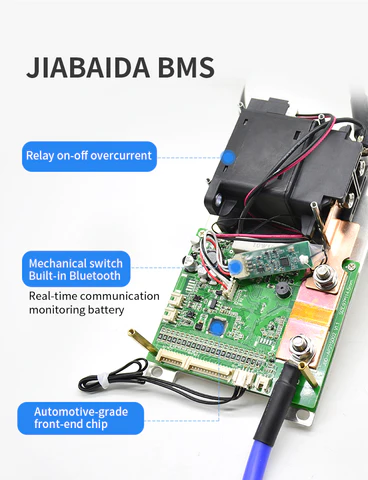
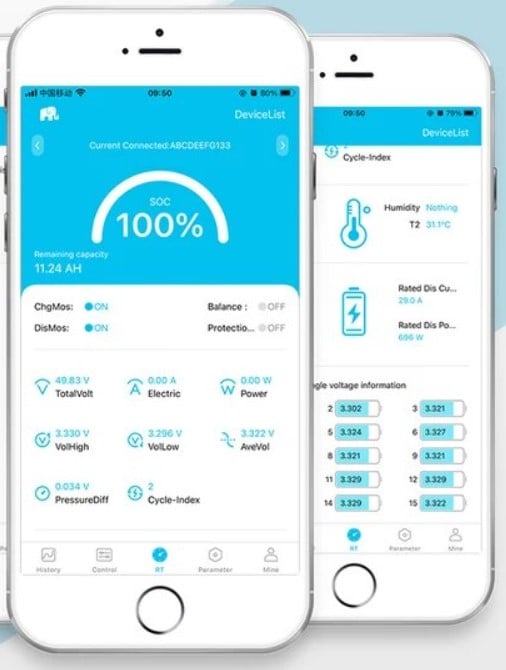
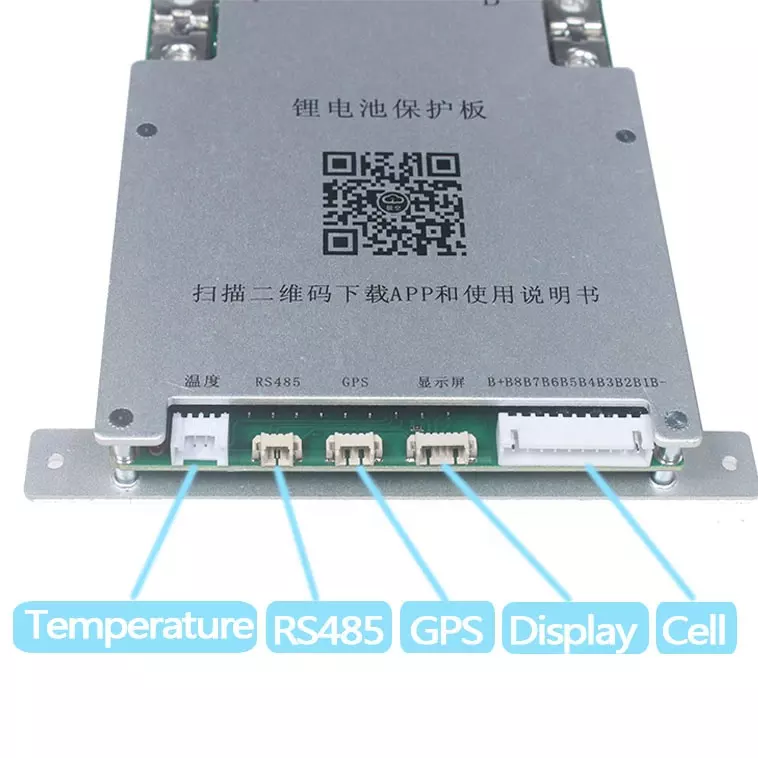
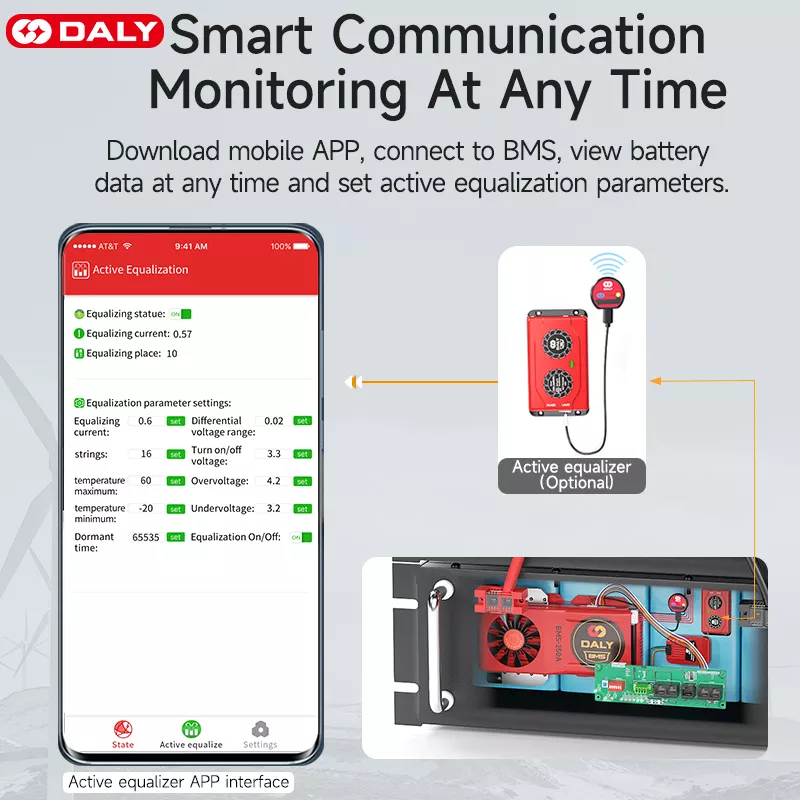
JBD is a popular choice among DIY battery builders and professionals alike. Known for its reliability and affordability, JBD offers a wide range of BMS products suitable for everything from small battery packs to large energy storage systems. It also features smart BMS options with Bluetooth, providing real-time monitoring and control through mobile apps.

Support for Victron, DEYE, Growatt and many other inverters.
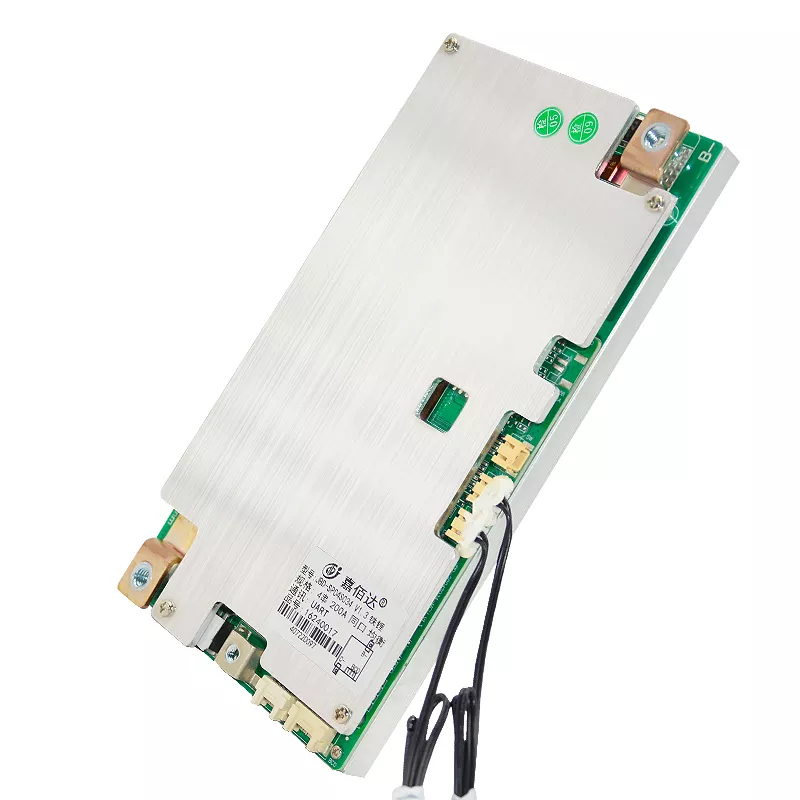
Key Features:

  • Available in 12.8V to 48V(51.2V) configurations, with various amp ratings.
  • Both Smart BMS with Bluetooth connectivity for monitoring battery status via an app and Regular BMS, set and forget!
  • Robust passive and active balancing models to keep cell voltages even.
  • Comprehensive protection against overcharge, over-discharge, and over-temperature.
  • Configurable parameters via PC software or mobile app.

Pros:

  • Cost-effective with very reliable performance.
  • Smart features like Bluetooth monitoring and mobile app control.
  • Flexible configuration options.
    Excellent Accuracy for SOC calculations
  • Available in high current ratings, suitable for large packs.
  • Regular firmware updates improve functionality.

Cons:

  • Slightly more complex to set up compared to simpler BMS units.
  • Bluetooth connection range can be limited.
  • Lack of detailed user manual support for first-time users.

Best For:
JBD BMS is well-suited for both DIY enthusiasts and professional battery builders who need reliable, affordable BMS with smart monitoring features. Ideal for medium to large battery packs in solar, RV, and EV applications.


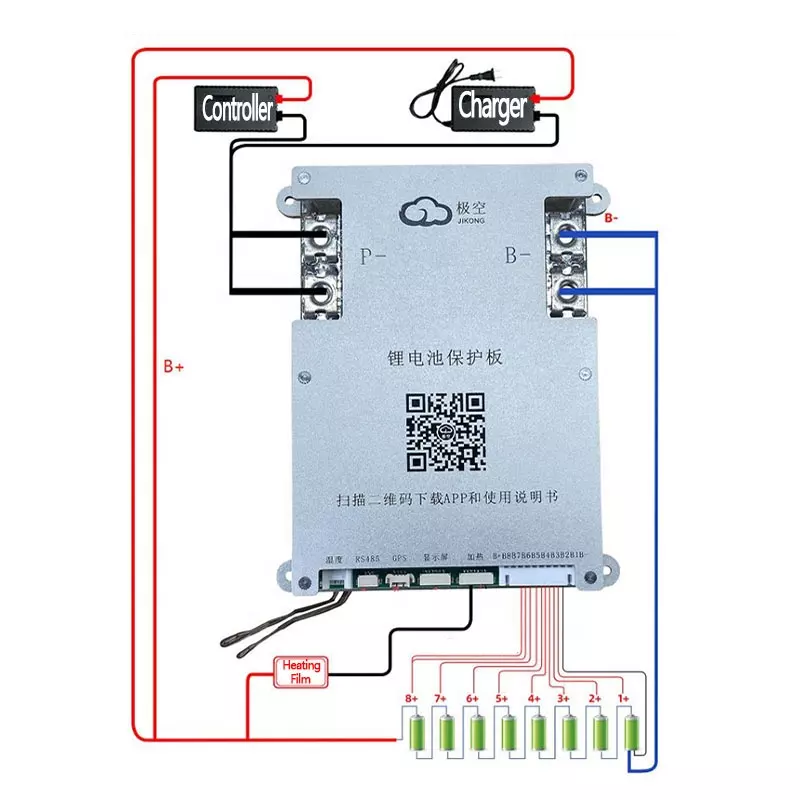
2. JK BMS (JiKong BMS)

Overview:
JK BMS is one of the most advanced BMS systems on the market, especially popular among energy storage professionals. It is known for its robust features, including active balancing, high customization options, and detailed data monitoring. JK BMS is highly regarded for its accuracy, durability, and flexibility, making it ideal for large-scale and critical battery systems. Support for Victron, DEYE, Growatt and many other inverters.
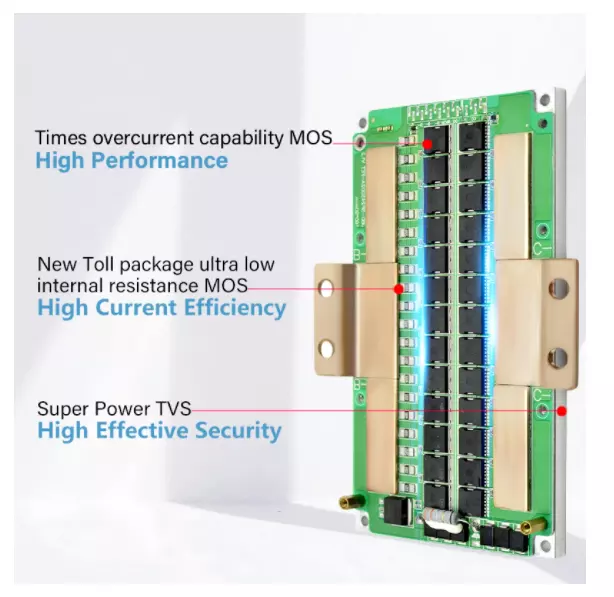
Key Features:

  • Active balancing (dynamic cell balancing) ensures cells are equalized during operation.
  • Bluetooth connectivity for real-time monitoring via a mobile app.
  • Configurable protection parameters for precise control over charging and discharging.
  • Software is good, but not perfect, and support has been poor in 2024 for the new model

Pros:

  • Excellent active balancing capabilities reduce cell degradation and extend lifespan.
  • Detailed monitoring and data logging for precise control.
  • Widely customizable for different applications off-grid systems, and commercial setups.
  • Rugged design with high current and voltage tolerance.
  • Good accuracy for professional energy storage projects.

Cons:

  • More expensive than basic BMS units.
  • Higher learning curve for those new to BMS systems.
  • Requires more time to set up and configure.
  • Quality of materials may be lower, than JBD
  • Software has been buggy.

Best For:
JK BMS is the go-to choice for large-scale, critical energy storage applications where active balancing and precise control are necessary. It is ideal for professional setups, commercial energy storage, and high-performance EVs.


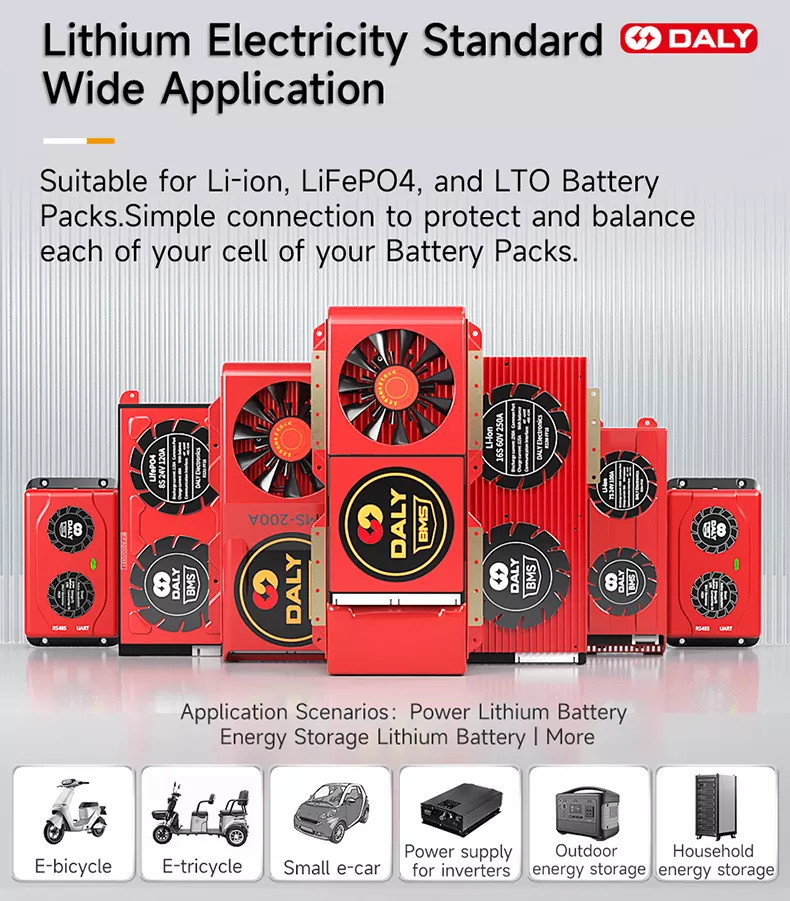
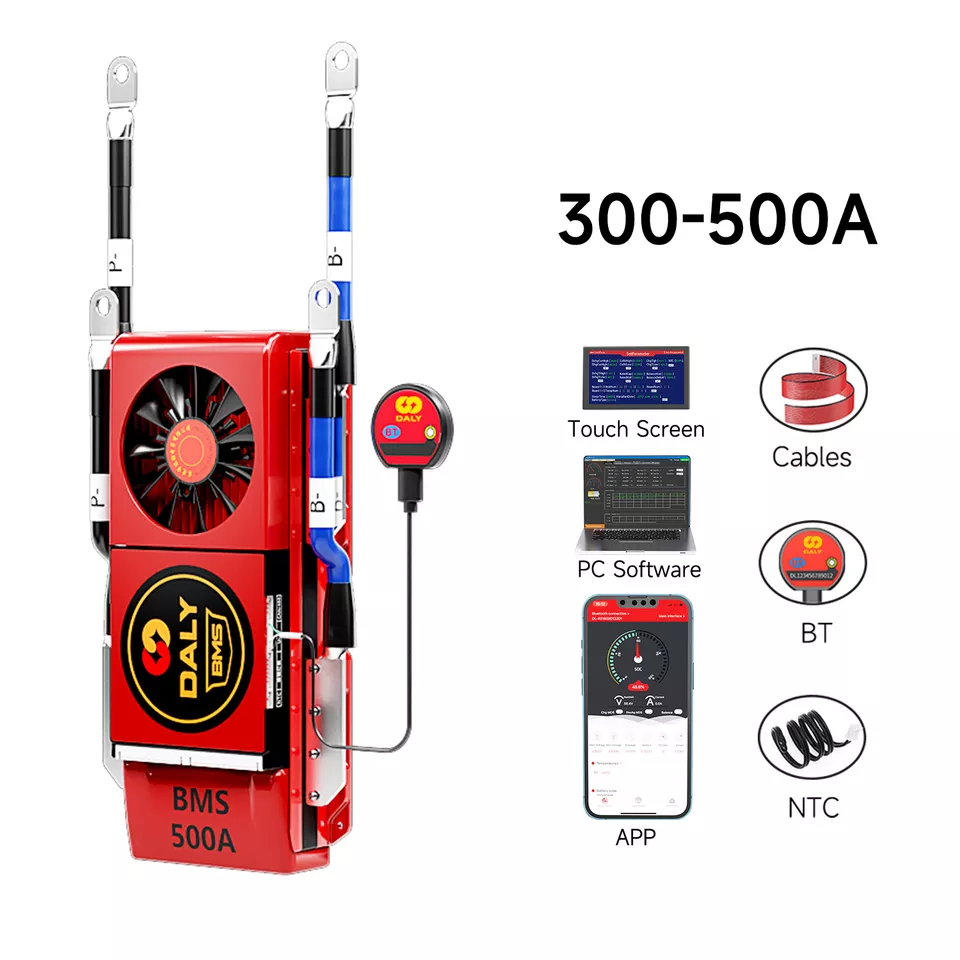
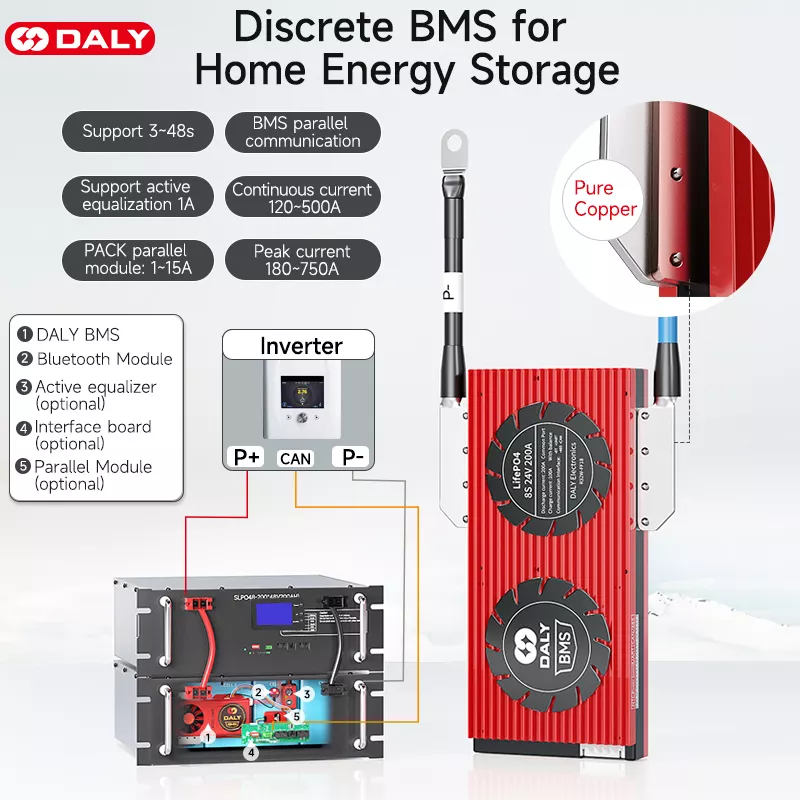
3. Daly BMS

Overview:
Daly BMS is another popular option, especially in the DIY space, due to its affordability and basic functionality. Daly BMS is often used for simple battery systems that don’t require the advanced features seen in more expensive systems like JK or JBD. It offers basic protection for lithium batteries, making it suitable for small energy storage systems or low-demand applications.

Key Features:

  • Basic protection: overvoltage, undervoltage, over-temperature, and short circuit protection.
  • Available in 12V to 48V configurations with various amp ratings.
  • Passive balancing for maintaining cell voltage consistency.
  • Compact design, easy to install, and cost-effective.

Pros:

  • Easy to buy
  • Simple to set up and use.
  • Basic cell balancing and protection features are sufficient for smaller setups.
  • Widely available with many options for different voltage and current requirements.

Cons:

  • Passive balancing is less efficient than active balancing.
  • Less suitable for large or high-performance battery systems.
  • Durability concerns for long-term use in critical applications.
  • Active Cooling is unreliable

Best For:
Daly BMS is ideal for small-scale projects, DIY enthusiasts, and applications where basic protection is sufficient, such as small solar setups, electric bikes, or RVs. However, it may not be the best choice for large or critical energy storage projects.

4. PACE BMS

PACE BMS is designed to offer precise control and management over battery packs, particularly in scenarios where safety, durability, and advanced functionality are critical. It competes with other high-end BMS solutions like JK and REC, offering features that cater to both small and large battery systems. The focus is often on high voltage and high current capabilities, active balancing, and detailed monitoring.

PACE BMS is trusted in many server rack batteries, and is very similar to many other professional grade UPS and ESS storage BMS, with communication with Inverters and other parallel batteries one of the strengths of this product. Support for Victron, DEYE, Growatt and many other inverters.

Key Features of PACE BMS:

  • Passive Balancing: Ensures cells within the battery pack remain balanced, improving the pack’s longevity and performance.
  • High Voltage and Current Support: PACE BMS is designed to handle larger battery packs, making it suitable for industrial energy storage systems and EVs.
  • Smart Monitoring: Bluetooth connectivity, Wi-Fi integration, and real-time monitoring through mobile apps and dedicated displays.
  • Scalability: PACE BMS supports a wide range of voltages and capacities, making it versatile for projects of various sizes.
  • CAN Communication: Allows integration into more complex systems and communication with other components, such as in electric vehicles or sophisticated solar setups.
  • Configurable Protection Settings: Advanced protection for overvoltage, undervoltage, over-temperature, and current surges, with configurable thresholds.

Pros of PACE BMS:

  • Advanced Features: PACE BMS offers high-end features like balancing, real-time monitoring, and CAN communication, making it suitable for professional or industrial-grade systems.
  • High Reliability: It is built with a focus on safety and durability, ensuring optimal performance even under demanding conditions.
  • Great Scalability: Suitable for both small and large battery packs, offering flexibility across different applications.
  • Detailed Monitoring: Real-time feedback on battery health and performance ensures better maintenance and control.

Cons of PACE BMS:

  • Higher Cost: PACE BMS tends to be on the more expensive side compared to options like Daly or JBD, which may not make it ideal for DIY enthusiasts or small-scale projects.
  • Complexity: Due to its advanced features and configuration options, PACE BMS has a steeper learning curve and may require technical knowledge to set up and manage effectively.
  • Overkill for Simple Systems: For small or low-demand projects, PACE BMS may offer more features than necessary, which could result in unnecessary costs.

Best For:

PACE BMS is ideal for large, complex energy storage systems, electric vehicles, or any application that demands high reliability, precision, and detailed monitoring. Its advanced features and robust safety mechanisms make it a top choice for critical systems where performance and safety are paramount.


5. Other Popular BMS Options

Overkill Solar BMS:
Specifically designed for DIY solar energy storage systems, Overkill Solar BMS is known for its user-friendly interface and detailed monitoring features. It offers Bluetooth connectivity and a built-in display for real-time stats, making it a favorite among home solar system installers. Overkill uses modified versions of the JDB BMS, in some cases the same BMS.

REC BMS:
One of the high-end options, REC BMS, is designed for advanced applications requiring detailed control, real-time data, and integration into large, complex systems. It supports both passive and active balancing and is highly customizable, often used in commercial energy storage projects.


Pros and Cons Comparison Table

BMS BrandKey FeaturesProsConsBest For
JBDSmart BMS, Bluetooth, balancing, overcharge/over-temp protectionCost-effective, smart features, reliable performanceComplex setup, low balance currentsDIY and professional setups for solar, EVs, and large battery packs
JKActive balancing, high current, customizable parametersHigh current Active balancing, touchscreen, BluetoothExpensive, steep learning curve, software issuesSmall-scale energy storage, EVs, commercial energy applications
DalyBasic protection, passive balancing, over-voltage/under-voltageEasy to buy, easy to use, basic protectionLacks advanced features, limited balancing capabilitiesSmall DIY projects, basic solar setups, electric bikes
PACEBluetooth, passive balancing, over-temperature protectionHigh price, difficult setup, Bluetooth monitoringLacks advanced features like active balancing, not DIY friendlyCommercial scale solar setups, low-voltage energy storage systems
RECActive balancing, high customization, detailed monitoringHighly customizable, integrates into large systems, active balancingVery expensive, complicated setup
overly complex
Large commercial projects, grid-connected systems, high-end EV setups

Final Thoughts: Which BMS is Right for You?

When it comes to selecting a BMS, the right choice depends on your specific project requirements. Here’s a quick summary to help guide your decision:

  • For DIY enthusiasts or small battery systems: JBD offers the most budget-friendly option with basic protection features. It’s ideal for simple projects like e-bikes or small solar setups.
  • For advanced DIY and professional setups: JBD and JK BMS is a great middle-ground option, providing smart features like Bluetooth monitoring, good balancing, and flexibility in configuration. It’s a solid choice for medium to large battery packs.
  • For large-scale or critical energy storage systems: PACE BMS is the gold standard, offering active balancing, high current handling, and extensive monitoring capabilities. It’s perfect for large energy storage projects, EVs, and commercial applications where reliability and performance are paramount.

Ultimately, the best BMS for your needs will depend on the complexity and scale of your project, as well as your budget. Each BMS option has its strengths, and understanding your specific requirements will help you choose the most suitable one for your system.


Ready to Take Your Energy Storage to the Next Level?

At LiFePO4 Australia, we specialize in helping you choose the best components for your battery systems. Whether you’re looking for a high-end BMS or just starting out with a basic battery pack, we’ve got you covered with expert advice and top-tier products. Contact us today to learn more about our range of BMS options and how we can help you build the perfect battery system!

News Lithium Battery-school Manufacturers
CATL’s 18000 Cycle Life LFP Battery Cell: Technological Innovations

In the past couple of years some very significant news has been annouced by CATL, this technology has since also made its way to a number of other LFP manufacturers in China. Such as EVE and Hithium

We are looking at very high cycle life LFP battery cells and the underlying technologies that are being implemented to enable such numbers. It should be noted that these numbers are theoretical, and you should not expect anything close to these in real world applications. Calendar Life ageing plays a significant role in the lifespan of any lithium based battery.

CATL, a leading battery manufacturer, has announced a breakthrough with their new Lithium Iron Phosphate (LFP) battery cell, boasting an impressive cycle life of 18,000 cycles. This achievement is a result of several advanced technologies and innovative approaches in battery chemistry and manufacturing processes.

Key Technologies Implemented:

  1. Fully Nano-Crystallized LFP Cathode Material:
    CATL has pioneered a fully nano-crystallized LFP cathode material based on hard carbon, not graphene, forming a highly efficient super-conductive pathyway. This sophisticated nanostructure promotes the swift extraction and movement of lithium ions, The stability and performance of the cathode are substantially improved, contributing to the extended cycle life and reliability of the battery.
  2. Granular Gradation Technology:
    This technology involves placing every nanometer particle in the optimal position within the cathode. By precisely positioning these particles, CATL has significantly improved the energy density and durability of the battery. This meticulous structuring at the nanoscale level minimizes degradation and ensures uniform performance over many cycles
  3. 3D Honeycomb-Shaped Anode Material:
    The use of a 3D honeycomb-shaped material in the anode helps to increase energy density while effectively controlling the volume expansion during charge and discharge cycles. This design innovation not only boosts the battery’s capacity but also enhances its structural integrity, contributing to its extended lifespan
  4. Advanced Separator Technology:
    The new LFP battery incorporates an ultra-thin, high-safety separator that improves ion transport while maintaining structural stability. This separator technology is crucial for achieving high charging speeds and ensuring safety during operation, which are critical factors for the long-term durability of the battery
  5. Cell-to-Pack (CTP) Technology:
    CATL’s CTP technology eliminates the need for traditional modules, increasing the packing efficiency by about 7%. This optimization allows more active material to be packed into the battery, enhancing its overall performance and extending its cycle life. The CTP approach also simplifies the manufacturing process and reduces costs
  6. Superconducting Electrolyte Formulation:
    The new battery employs a superconducting electrolyte formulation that enhances ion conductivity. This innovation ensures that the battery can charge and discharge at higher rates without compromising its longevity. It also contributes to the battery’s ability to maintain performance in extreme temperatures

Explanation and Implications of Advanced LFP Battery Technologies

Granular Gradation Technology

Granular Gradation Technology involves the meticulous positioning of nanoparticles within the cathode material of a battery. By placing each particle in an optimal position, the technology significantly improves the energy density and durability of the battery. This precise arrangement minimizes degradation and ensures uniform performance over many cycles. This is achieved through advanced nanotechnology techniques, which allow for the controlled deposition and organization of particles at the atomic or molecular level. The structured material resulting from this technology facilitates efficient ion transport, thereby enhancing the battery’s overall performance and lifespan.

Atomic Layer Deposition (ALD) in Battery Manufacturing

Atomic Layer Deposition (ALD) is a technique used to apply ultrathin films to various components of a battery, such as electrodes and separators. ALD works by depositing materials one atomic layer at a time through a series of self-limiting chemical reactions. This process allows for precise control over film thickness and composition, which is crucial for enhancing battery performance. For example, ALD can be used to coat lithium iron phosphate (LiFePO4) electrodes with materials like aluminum oxide (Al2O3), which can improve the electrode’s stability, reduce degradation, and enhance the battery’s cycle life.
Further Research by Video source】【source】【source】.
Further Research from 2020 here

Impact of Mass Production and Economies of Scale:

The implementation of these advanced technologies in mass production is expected to drive down the cost per kilowatt-hour (kWh) of LFP batteries. CATL’s extensive production capacity and economies of scale are instrumental in making these high-performance batteries more affordable and accessible for various applications, including electric vehicles and energy storage systems

Conclusion:

CATL’s 18,000 cycle life LFP battery represents a significant advancement in battery technology, driven by innovations in nano-crystallized cathode materials, granular gradation, and advanced manufacturing techniques. These technologies not only enhance the battery’s performance and safety but also contribute to its long-term durability, making it a game-changer in the field of energy storage

For more detailed information on CATL’s technological advancements and their impact on the battery industry, you can visit the original articles on Electrek and PV Magazine.

Chinese lithium battery manufacturers, including CATL, are indeed utilizing advanced technologies like Atomic Layer Deposition (ALD) to enhance the performance and longevity of their batteries. ALD is employed to apply ultra-thin, uniform coatings on battery components, such as electrodes and separators. This technique improves the stability and efficiency of the batteries, particularly under high-stress conditions such as high voltages and temperatures.

Key Technologies Used:

  1. Atomic Layer Deposition (ALD):
    • ALD allows for the precise application of thin films on battery materials, improving their structural integrity and performance. It helps in forming protective layers on cathodes and anodes, reducing degradation and enhancing cycle life. For example, ALD-coated LiFePO4 electrodes exhibit significantly improved cycle stability and energy density​ (RSC Publishing)​​ (SpringerLink)​.
  2. Granular Gradation Technology:
    • This technology involves the meticulous arrangement of nanoparticles within the cathode material. By placing each particle in an optimal position, the energy density and durability of the battery are significantly enhanced. This structured arrangement minimizes degradation and ensures consistent performance over many cycles​ (RSC Publishing)​.
  3. Nanotechnology and Carbon Nanotubes:
    • The integration of long, thin carbon nanotubes creates highly efficient pathways for ion transmission, enhancing the battery’s fast-charging capabilities. This, combined with additives to improve film permeability, facilitates easier lithium ion movement between electrodes, thereby improving overall battery performance​ (Leading Edge Materials Corp)​.

These innovations are part of the broader trend in the battery industry to improve energy storage solutions through cutting-edge material science and nanotechnology. Chinese manufacturers, particularly CATL, are at the forefront of implementing these technologies to produce high-performance, durable batteries suitable for a wide range of applications, from electric vehicles to large-scale energy storage systems.

More sources in relation to this topic

  1. Winding vs Stacking
  2. ALD (Atomic Layer Deposition) Coating
  3. Trends in modern Lithium manufacturing cells
  4. Winding and Z Stacking link
  5. Winding vs Z Stacking pt2
  6. Electrolyte Additives

In the first few seconds of this video made in 2018 at one of EVE’s battery factories, you will notice the winding of a prismatic cell.

Final Words – Batteries aren’t all the same!

This video made in 2023, shows the EVE factory, with some of its most advanced manufacturing equipment in full operation. We are see in the space of just 4 or 5 years, the speed and yield has increased dramatically. The combination of many technologies has increased the lifespan of a LFP cell.
We currently recommend the use of the MB30 and MB31 cells for 300+ah cells. They are the most advanced cells for Energy Storage made by EVE.
EVE makes more than 50 cells that I am aware of, probably more than 100 if you include some of the lesser known cell types and variants.


One of the best videos we have ever seen to explain what is really happening in the newest generation of LFP cells is this one made by CATL in 2024.

https://youtu.be/0cyz5vXd-xY – It was made private by CATL recently on their YOUTUBE channel. We found a copy of the video in the wayback machine. And though its low resolution, Its still good enough to see the tech in laymans terms.

News Manufacturers
EVE Lithium LFP Cells List 3.2v

A list of cells manufactured by EVE in July 2024.
It details the capacity, energy density, estimated cycle life, weight, and Internal resistance of each cell.

Using this information you might be able to decide what cells suit your application best.
For example the LF50k cell is rated for 7000 cycles at 1C charge and discharge. But its energy density is very low. The main reason it gets such a good rating is because it can be actively cooled or heated in the right application, which can help tremendously with lifespan.
However you will also note that cycle life is now mostly spoken about at 0.5C or P. Meaning much of the information previously released has been further corrected over time.
All of these numbers are best case scenario, and usually at 25 degrees Celsius. So these numbers are basically unattainable in most cases.

ModelCapacity (Ah)Voltage (V)Cycle(time) 25°CInternal Resistance (1KHz)Weight (g)Length × Width × Height (mm)Energy Density (Wh/kg)
LF22K223.224500 (3C/3C)≤0.4mΩ628±10148.7×17.7×131.8112
LF32323.203500 (1C/1C)≤1.5mΩ730±50148.3×26.8×94.3140
LF50F503.201500 (0.5C/0.5C)≤2.0mΩ1035±100148.3×26.7×129.8154
LF50L503.205000 (0.5C/0.5C)≤0.6mΩ1090±50148.6×39.7×100.2154
LF50K503.207000 (1C/1C)≤0.7mΩ1395±50135.3×29.3×185.3114
LF80823.204000 (0.5C/0.5C)≤0.5mΩ1680±50130.3×36.3×170.5156
LF90K903.206000 (1C/1C)≤0.5mΩ1994±100130.3×36.3×200.5144
LF100MA1013.202000 (0.5C/0.5C)≤0.5mΩ1920±100160.0×50.1×118.5168
LF100LA1023.205000 (0.5C/0.5C)≤0.5mΩ1985±100160.0×50.1×118.5164
LF1051053.204000 (0.5C/0.5C)≤0.32mΩ1980±60130.3×36.3×200.5169
LF1251253.224000 (0.5C/0.5C)≤0.40mΩ2390±71200.7×33.2×172.0168
LF1501503.224000 (0.5C/0.5C)≤0.4mΩ2830±84200.7×33.2×207.0170
LF1601603.224000 (0.5C/0.5C)≤0.21mΩ3000±100173.9×53.8×153.5171
LF1731733.224000 (0.5C/0.5C)≤0.25mΩ3190±96173.9×41.06×207.5174
LF2302303.204000 (0.5C/0.5C)≤0.25mΩ4140±124173.9×53.8×207.2177
LF280K2803.208000 (0.5C/0.5P)≤0.25mΩ5490±300173.7×71.7×207.2163
LF3043043.204000 (0.5C/0.5C)≤0.16mΩ5450±164173.7×71.7×207.2178
LF560K5603.208000 (0.5P/0.5P)≤0.25mΩ10700±300352.3×71.7×207.2167
MB303063.2010000 (0.5P/0.5P)≤0.18mΩ5600±300173.7×71.7×207.2174
MB313143.208000 (0.5P/0.5P)≤0.18mΩ5600±300173.7×71.7×207.2179
V211543.222000 (0.5C/0.5C)≤0.5mΩ2755±30110.0×35.7×346.4182
A22178.13.222000 (0.33C/0.33C)≤0.3mΩ3170±230280.7×31.0×88.6180
A24172.13.222000 (0.33C/0.33C)≤0.45mΩ3160±240301.0×36.7×132.5175
A31-V1132.53.222000 (0.33C/0.33C)≤0.45mΩ2370±230194.3×50.7×112.7180
A31-V21413.222000 (Fch/1C)≤0.45mΩ2450±230194.3×50.7×112.7185
A27127.23.212000 (Fch/1C)≤0.45mΩ2220±33088.0×37.2×309.5183
A2887.53.222500 (0.33C/0.33C)≤0.57mΩ1645±30301.8×26.7×94.9171
News Home Manufacturers

The Yixiang DIY Battery Box is a customizable battery enclosure designed for DIY battery builders. It is sometimes promoted among those who assemble their own battery packs for various applications, including solar energy storage and backup power systems.

BE CAREFUL! these companies start off cheap, but end up expensive!

Make sure you have calculated ALL THE COSTS and never agree to a sale until you have had
1. TIME TO THINK about your purchase
2. Checked the competitors
3. Asked a business in your own Country for a quote for a similar or better item

YIXIANG DIY

  1. Modular Design: The battery box is modular, allowing users to configure it to fit different battery cell sizes and quantities. This flexibility makes it suitable for a range of battery pack designs.
  2. Durability: Made from high-quality materials, the box is designed to be durable and provide good protection for the battery cells inside. It is often constructed from fire-resistant and impact-resistant materials to ensure safety.
  3. Ease of Assembly: The design of the Yixiang DIY Battery Box emphasizes ease of assembly, with clearly marked components and straightforward instructions. This makes it accessible even for those with limited technical expertise.
  4. Ventilation and Cooling: Many models include features for ventilation and cooling, which help to maintain optimal operating temperatures for the battery cells, thereby enhancing performance and longevity.
  5. Compatibility: The battery box is compatible with various battery chemistries, including LiFePO4, NCM, and others. This versatility allows users to choose the best battery type for their specific needs.
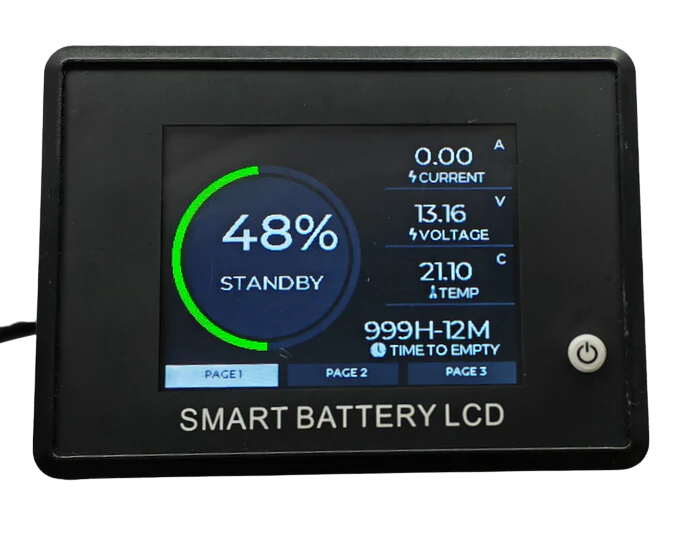
  6. Customization Options: Users can customize the box with additional features such as BMS (Battery Management System) integration, LCD screens for monitoring, and various connectors and terminals to suit their application.
  7. Safety Features: The Yixiang DIY Battery Box often includes multiple safety features such as short circuit protection, overcharge and over-discharge protection, and temperature sensors to ensure the safe operation of the battery pack.
  8. Portability: Designed with portability in mind, many models include handles or wheels, making it easy to transport the assembled battery pack.

If you need more detailed specifications or information about a particular model, please let me know!

[contact-form-7 id=”4034c29″ title=”Contact Us”]
Blog Lithium Battery-school Manufacturers
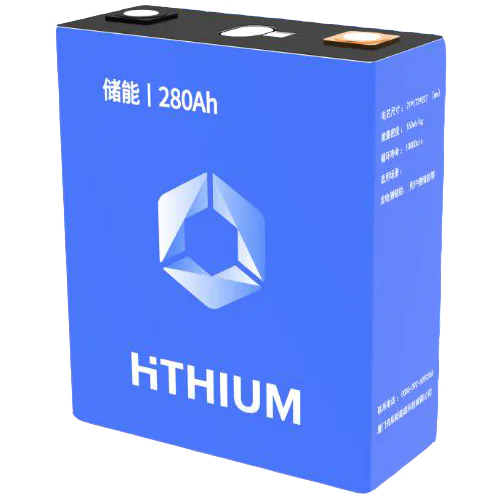
Hithium 280ah 300ah and 320ah cell Lifepo4 Review

Wondering about Hithium Lifepo4 cells quality?

Hithium 280Ah cells are a type of lithium iron phosphate (LiFePO4) battery cells. They are known for their high energy density, long cycle life, and safety features123.

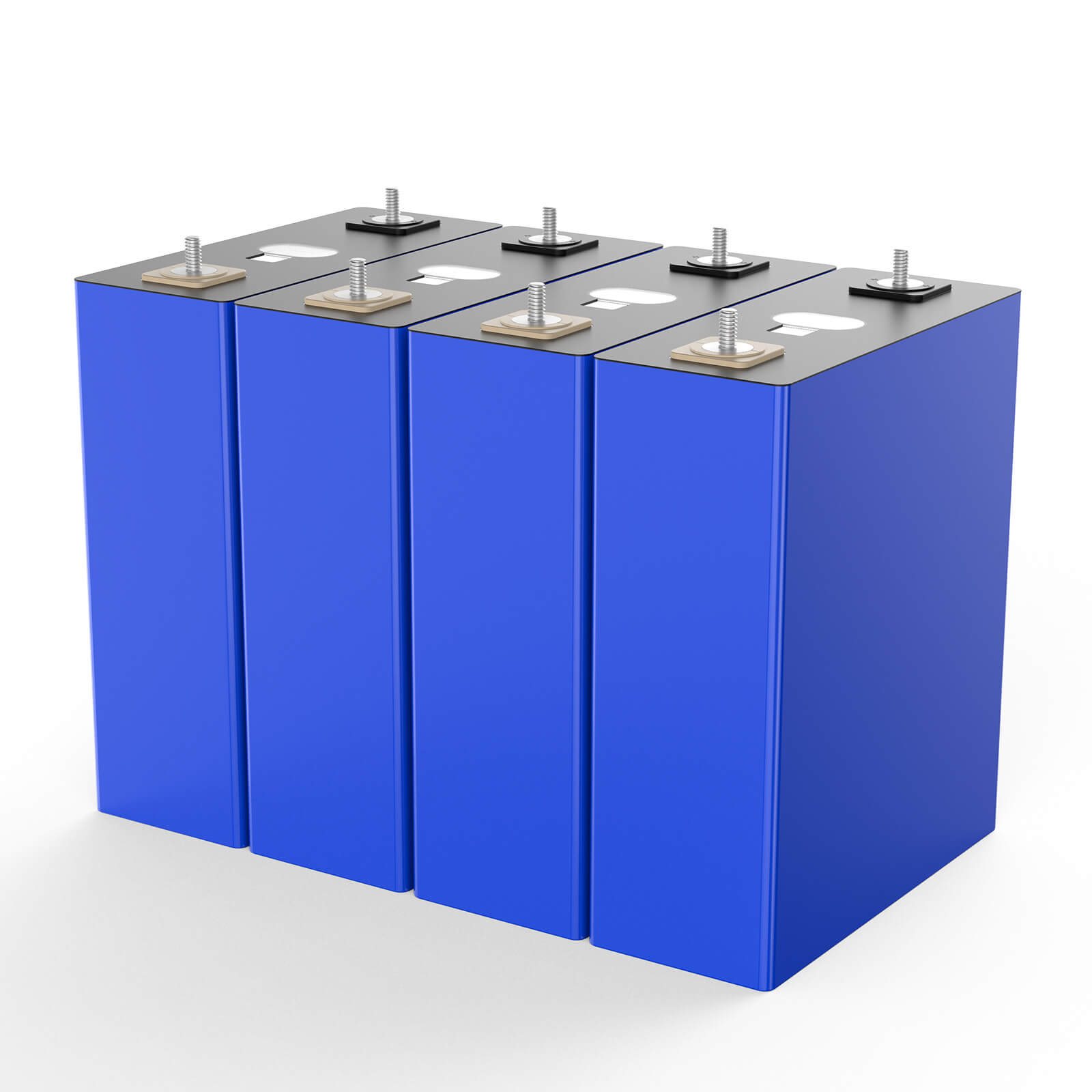
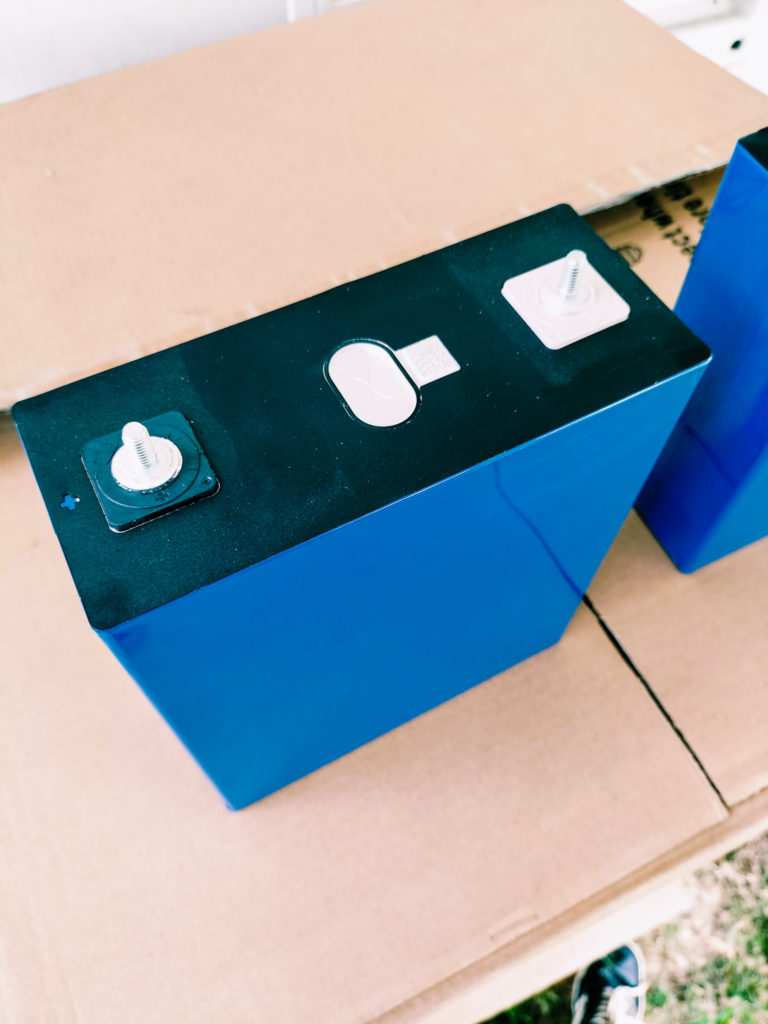
Information about the cell. The cell is identical to the current reference design of a prismatic Lifepo4 cell with the dimensions of 207mm x 173mm x 71mm. These are identical in every way to the cells made by CATL, EVE, CALB, GOTION, BYD, GREAT POWER, REPT, SUNWODA and the list goes on. All of these currently manufacturer this exact same cell, with the exact same dimensions. They all use the same ingredients, with very minute differences to the cathode and anode and electrolyte mixture.

202303301648005656
290AH
Hithium 280AH
  • Product certifications:
    IEC 62619, UL 1973, UL 9540A, UN 38.3
  • Company certifications:
    ISO 9001, ISO 14001, ISO 45001
  • Environmental Compliance: ROHS, REACH

High safety

  • Hithium-developed prismatic LFP cell with high thermal stability
  • Passes crush and nail penetration test
  • Ultra wide operating temperature range


Overall this cell is modified to last longer. Although the truth is the cycle count can be manipulated such as 6000 cycles at 80% is the same as 9000 cycles at 70% and so on. So the claim of 10000 cycles is probably true. Especially considering they are made with the intention of Energy storage, so with a Hithium cell you know you are getting something that will last a very long time.

3.2V 280Ah LiFePO4 Battery Prismatic Cell With 10000cycles (evlithium.com)

Manufacturers
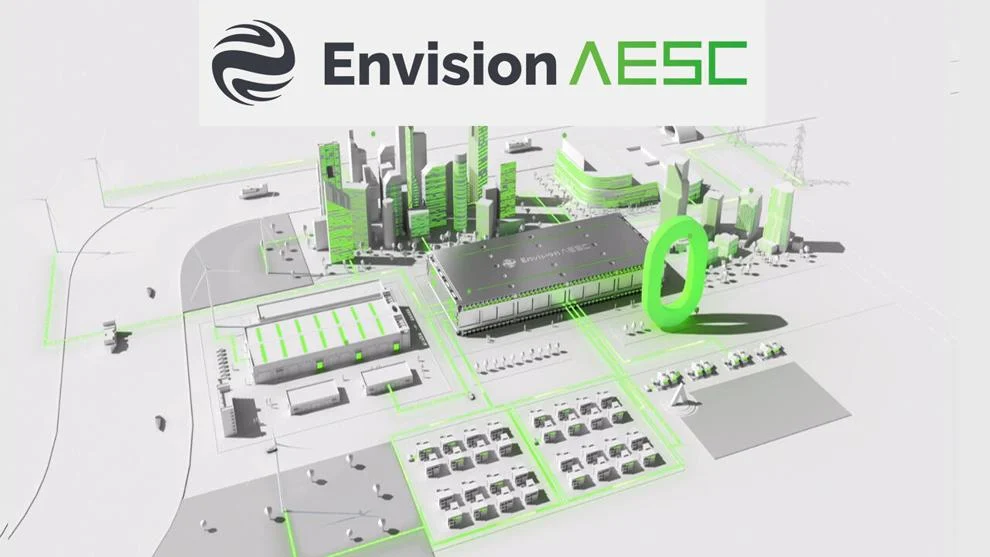
Who is Envision AESC?
f6d6d781e2f95c0675acf81bbac0384cc36aeda0 2206x5641 1

Origins and Ownership

Envision AESC (Automotive Energy Supply Corporation) is a global battery manufacturer focused on powering electric vehicles (EVs) and energy storage systems.

  • Founded in 2007 in Japan as a joint venture between Nissan, NEC Corporation, and NEC Tokin.
  • In 2018, China’s Envision Group acquired a majority stake. Nissan retained a minority share.
  • Since then, the company has operated as Envision AESC, expanding into one of the world’s fastest-growing battery producers.

Products and Technology

Envision AESC designs lithium-ion battery cells and packs for both cars and stationary energy storage.

  • Chemistries: The company produces both NCM (nickel-cobalt-manganese) and LFP (lithium iron phosphate) cells, depending on the application.
  • EV Batteries: Its Gen5 platform (based on NCM 811 chemistry) targets higher energy densities, approaching ~300 Wh/kg in development.
  • Energy Storage: In 2025, Envision AESC announced 315 Ah and 530 Ah large-format cells, designed for long cycle life (~12,000 cycles) and high efficiency (>95%). Mass production is targeted for 2025.
  • Safety: The company highlights passing over 200 global safety tests, including a CSA-supervised 49-hour fire safety trial. It also claims a record of “zero major safety incidents” in its ESS products.

Recommended products

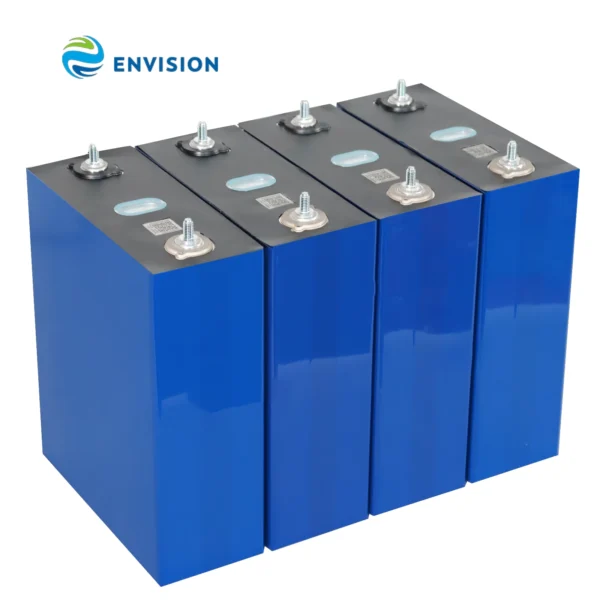
AESC: 530Ah Battery Cell

Envision AESC has unveiled a 530Ah energy storage cell delivering over 1.6kWh per unit. With 12,000-cycle longevity and 95% energy efficiency, it’s fully compatible with mainstream ESS solutions. Mass production and deliveries are set to begin in 2025.


Global Footprint and Capacity

Envision AESC is aggressively scaling with gigafactories worldwide:

  • Japan: Original facilities supplying early Nissan Leaf batteries.
  • UK (Sunderland): Expanding capacity to support Nissan’s EV hub.
  • France (Douai): A ~9 GWh plant near Renault’s ElectriCity, backed by EU funding.
  • Spain (Navalmoral de la Mata): €1.1 billion LFP factory, with production targeted for 2026.
  • China (Cangzhou, Hebei): “Zero-Carbon Intelligent Industrial Park,” with 10 GWh in production and another 10 GWh under construction.
  • USA: Plants announced in Tennessee and South Carolina; however, the Florence, SC site was paused in June 2025 due to policy and tariff uncertainty.

Past company roadmaps projected hundreds of GWh of global capacity by 2030, but actual targets depend on market conditions and government policy.


Partnerships and Customers

Envision AESC supplies some of the world’s biggest automakers and energy companies:

  • Nissan: Longstanding partner for Leaf and future EV platforms.
  • Renault: Supply through the Douai factory in France.
  • BMW: Planned supply for Spartanburg, USA production.
  • Energy storage integrators: Recent announcements of over 40 GWh of ESS cell supply contracts in China.

Challenges and Risks

Despite its growth, Envision AESC faces several challenges:

  • Policy Risks: Trade disputes and changing subsidy rules (especially in the U.S.) can stall investments.
  • Intense Competition: Rivals such as CATL, BYD, and LG Energy Solution currently dominate global market share.
  • Technology Race: Sodium-ion and solid-state batteries are emerging as future competitors.

Future Outlook

Looking forward, Envision AESC is focused on:

  • Expanding global capacity to the hundreds of GWh scale by 2030.
  • Delivering EV batteries with longer ranges (targets >1,000 km per charge).
  • Scaling grid-scale storage cells for renewable energy and Virtual Power Plant (VPP) projects.
  • Achieving zero-carbon manufacturing across multiple new gigafactories.

Key Takeaways

  • Envision AESC is a Chinese-owned, globally active battery maker with Japanese roots.
  • It is not affiliated with Cornex (a separate Chinese company).
  • The company is rapidly scaling with gigafactories across Europe, Asia, and North America.
  • While facing risks from policy and competition, Envision AESC is positioning itself as a key global player in the EV and ESS battery market.

Official Website – https://www.aesc-group.com/

X