Deye Review 2026 and Beyond Products and Features
Deye energy systems
Deye inverters and batteries: a guide to the range
Explore all-in-one home storage, hybrid inverters, smart energy management and commercial battery systems.
The range at a glance
From homes to commercial sites
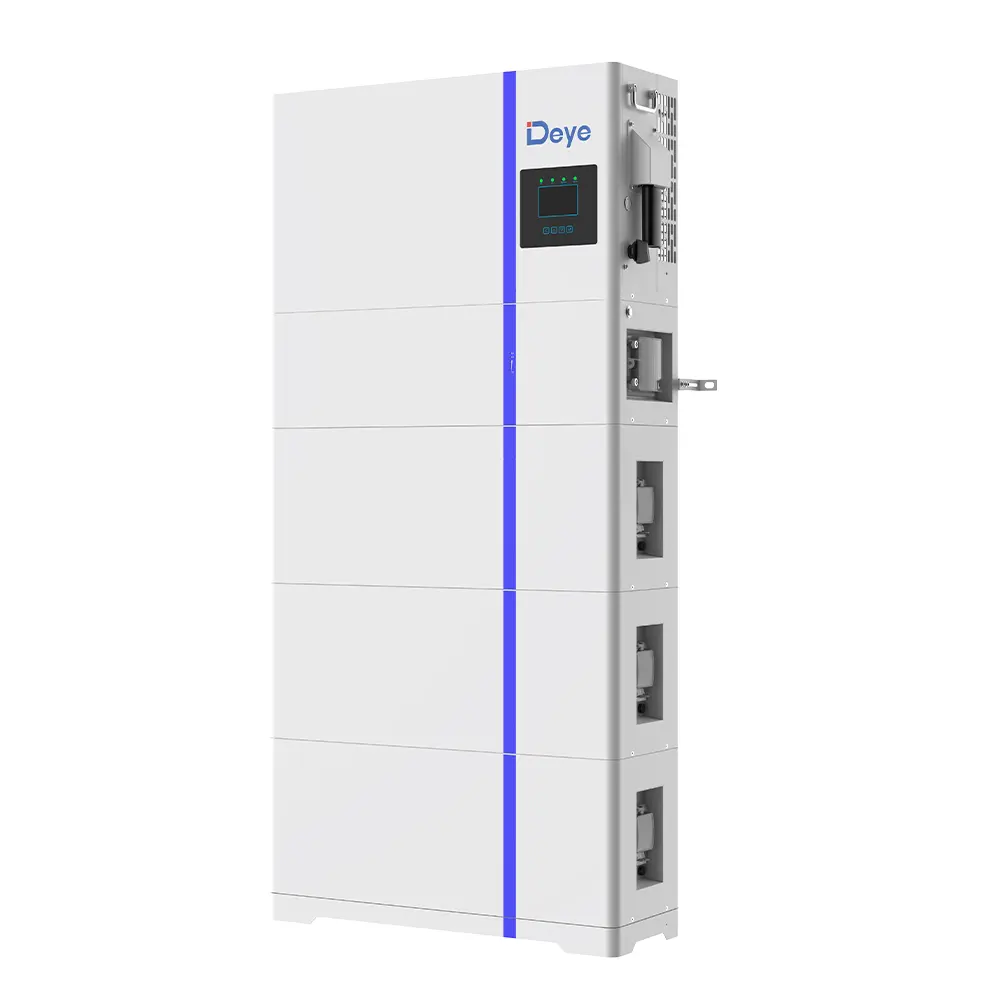
All-in-one storage
A hybrid inverter and stackable battery modules bring solar, storage and backup into one integrated system.
Explore home systemsHybrid inverters
Separate hybrid inverters and compatible batteries offer a modular approach to system design.
Explore backup powerCommercial storage
High-voltage battery modules and larger hybrid inverters support commercial energy projects.
Explore commercial systemsResidential storage
All-in-one or separate components?
Deye offers integrated systems as well as arrangements with a separate hybrid inverter and battery. An integrated stack brings the main equipment together; separate components give the system designer another way to arrange the equipment for the site.

AI-W5.1-B ESS
Deye lists 5.12kWh LiFePO4 battery modules for the AI-W5.1-B ESS. The range is designed for scalable residential storage, with single- and three-phase configurations. Battery capacity and inverter power are selected separately to suit how the property uses energy.
Capacity and power do different jobs: battery capacity in kWh describes energy storage; inverter power in kW describes the rate at which the system can supply power.
Energy management
Make better use of solar
A hybrid system can use solar generation, battery storage and grid power together. Its settings can be configured around the household’s usage, electricity tariff and desired battery reserve.
Deye also offers a wireless energy management system using LoRa communication. Compatible devices can help coordinate loads such as switches, meters and EV charging with the energy system.
- Solar use: direct more generation towards loads and battery charging.
- Time-of-use tariffs: plan battery charging and discharge around electricity rates.
- Smart loads: coordinate supported devices with available energy.
Power during an outage
Understanding backup
A hybrid inverter with a backup output can supply selected circuits when the grid fails. The amount it can run depends on the inverter’s backup rating, the battery and the loads connected to the backup circuit.
Backup circuits
Choose which appliances and circuits matter most during an outage, then size the backup supply for them.
Starting loads
Air conditioners, pumps and other motors can draw more power at startup than they use while running.
System design
Switching arrangements, generator connections and expansion options depend on the selected inverter and installation.
Deye has described 4ms switching for a specific all-in-one model. A backup design should be matched to the equipment it needs to support.
Commercial and industrial
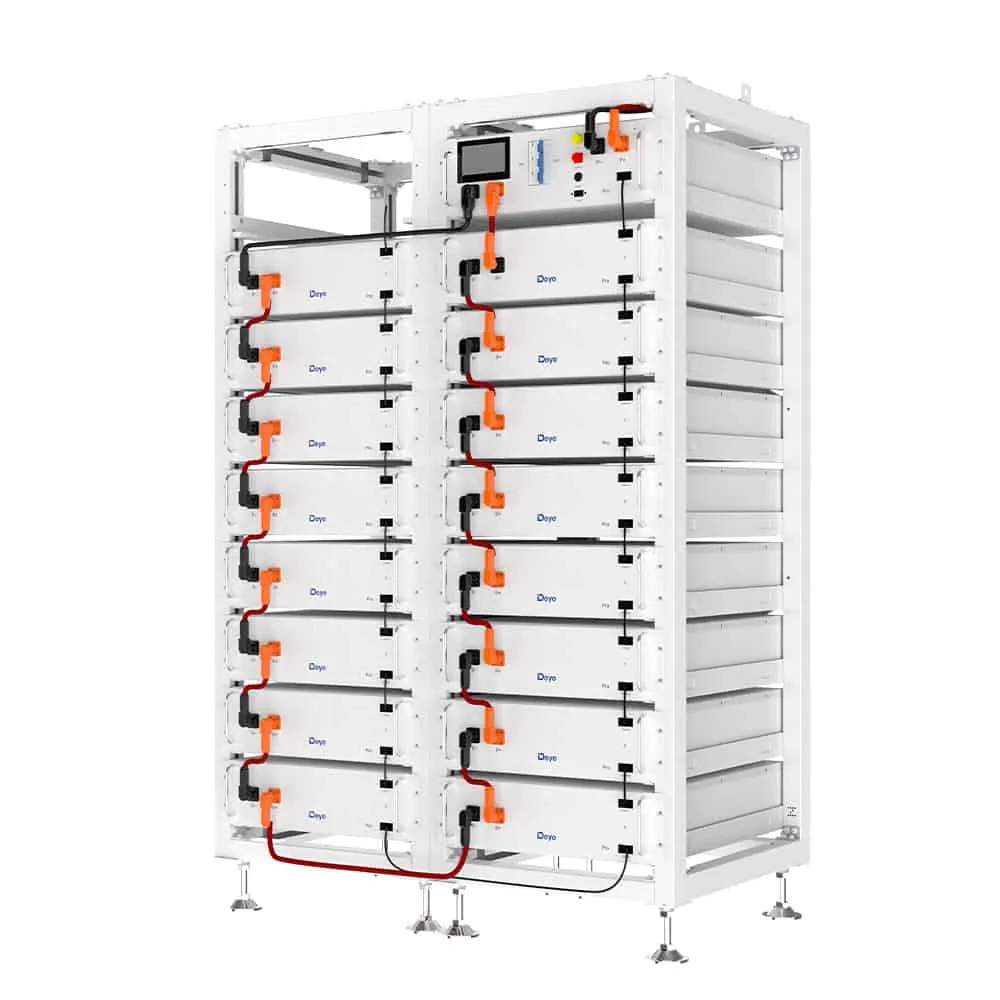
BOS-G Pro battery storage
Deye’s BOS-G Pro range uses 5.12kWh LiFePO4 modules in high-voltage commercial battery configurations. Deye’s Australian solution brochure lists example systems from 25.6kWh to 81.92kWh.
These battery systems can be paired with suitable commercial hybrid inverters to support projects such as solar self-consumption and energy management.
Planning your system
What to consider before choosing
- Energy use: review your daytime and evening consumption and the solar generation available.
- Single- or three-phase: match the system to the property’s supply and proposed loads.
- Backup requirements: identify the circuits, motor starting loads and battery reserve you need.
- Battery capacity: choose storage to suit the energy you want to use later.
- Equipment and installation: check the selected models, compatibility, installation location and applicable Australian approval requirements.
Watch Deye systems in action
Australian installation
See a Deye installation in Australia.
Watch the installation videoInside the all-in-one
Smart Energy Lab explores Deye’s all-in-one system and features.
Watch the Smart Energy Lab videoFind the right Deye system
Tell us about your property, solar and backup needs. We can help you compare suitable options.
Talk to LiFePO4 Australia