Free BMS + FREE SHIPPING

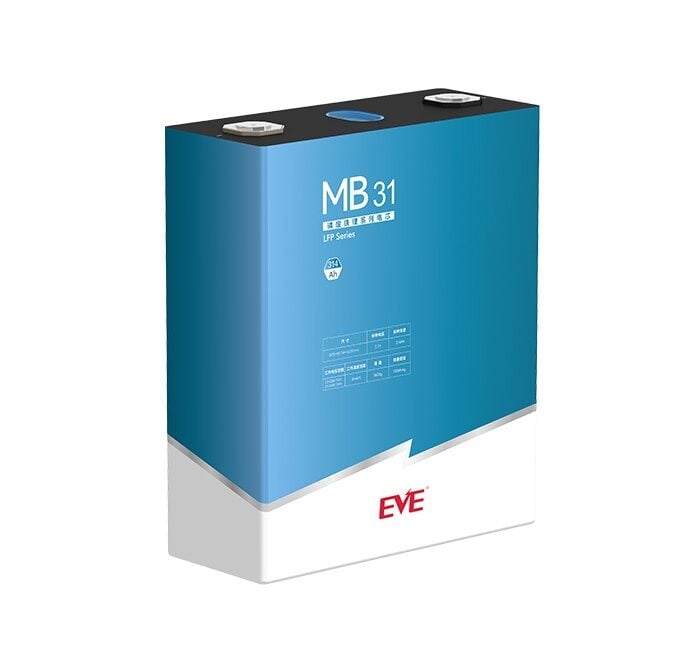
EVE MB31 314AH LIFEPO4 (Automotive Grade) Free BMS + FREE SHIPPING

Price range: $249.75 through $7,800.00

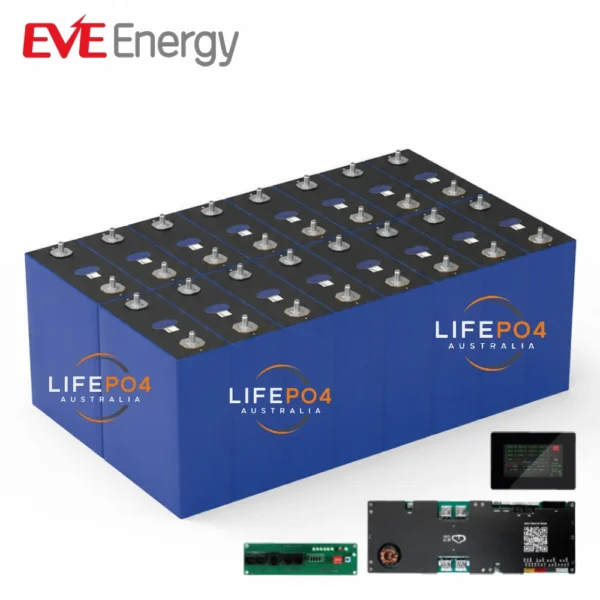
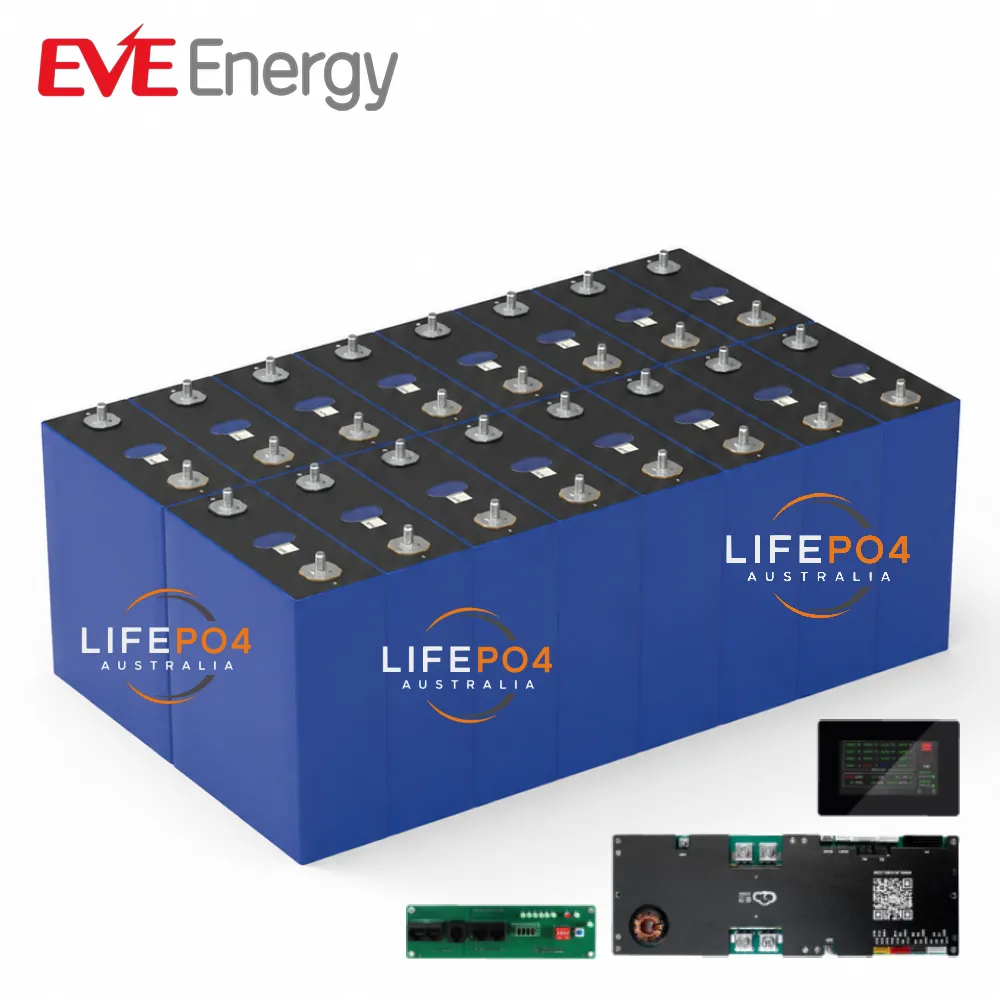
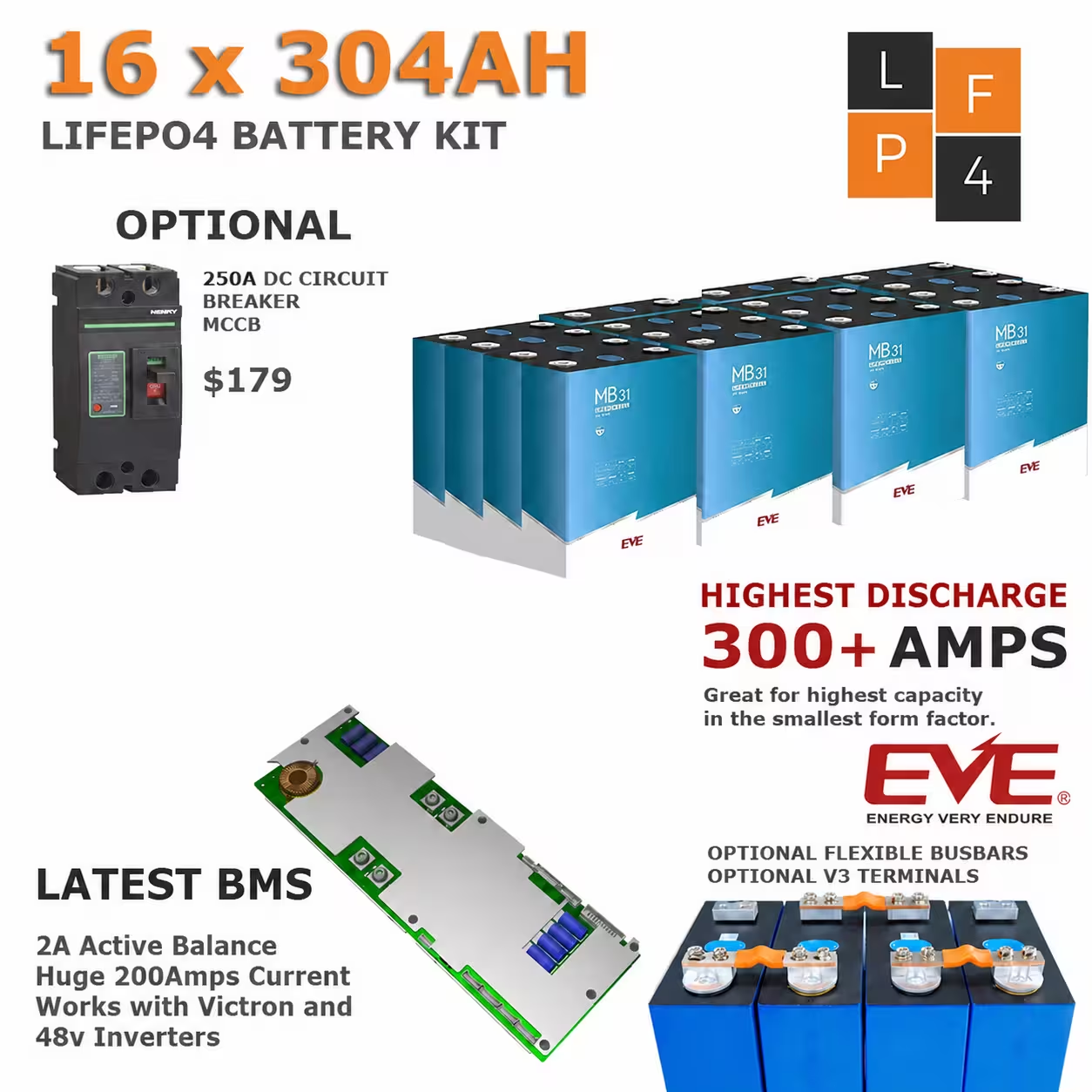
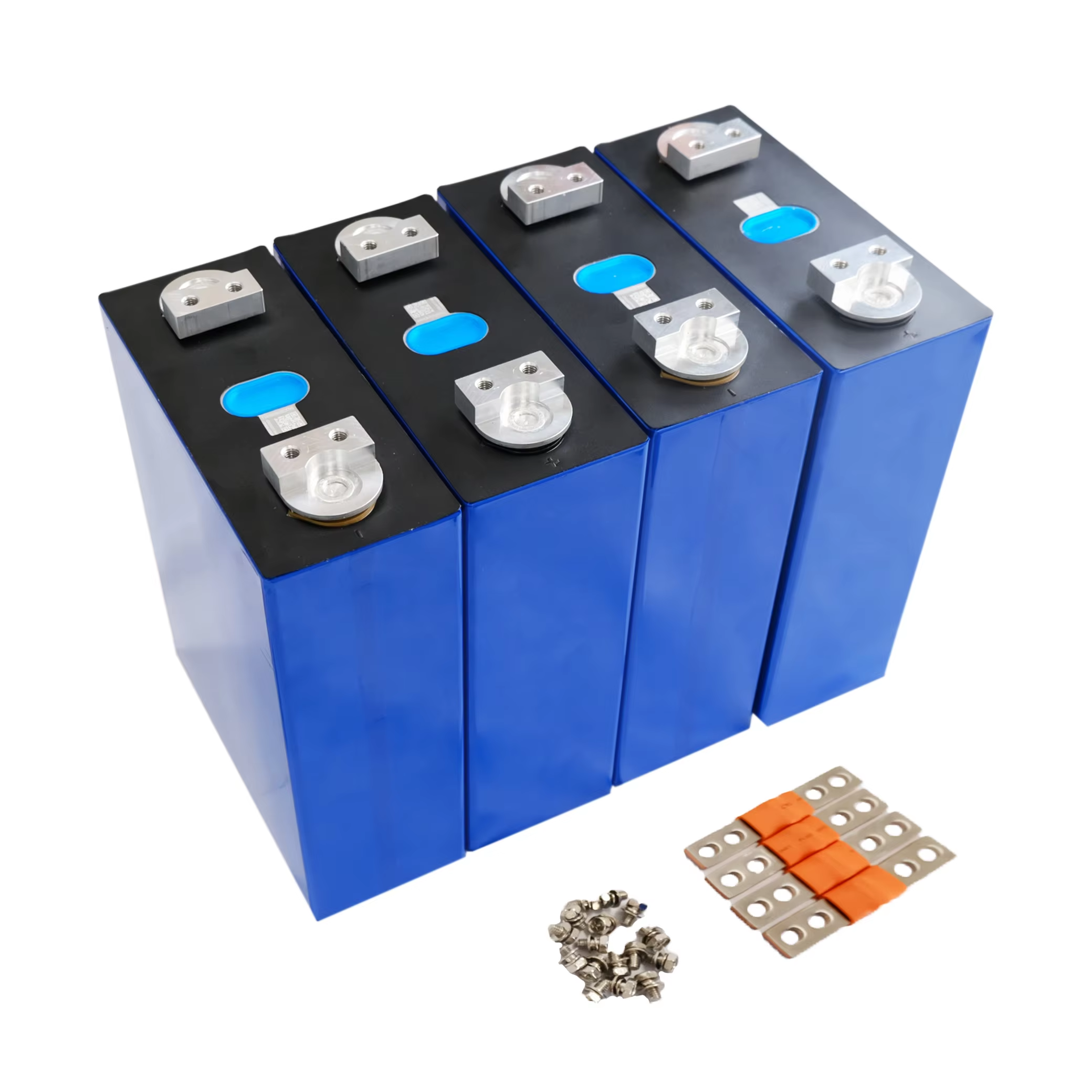
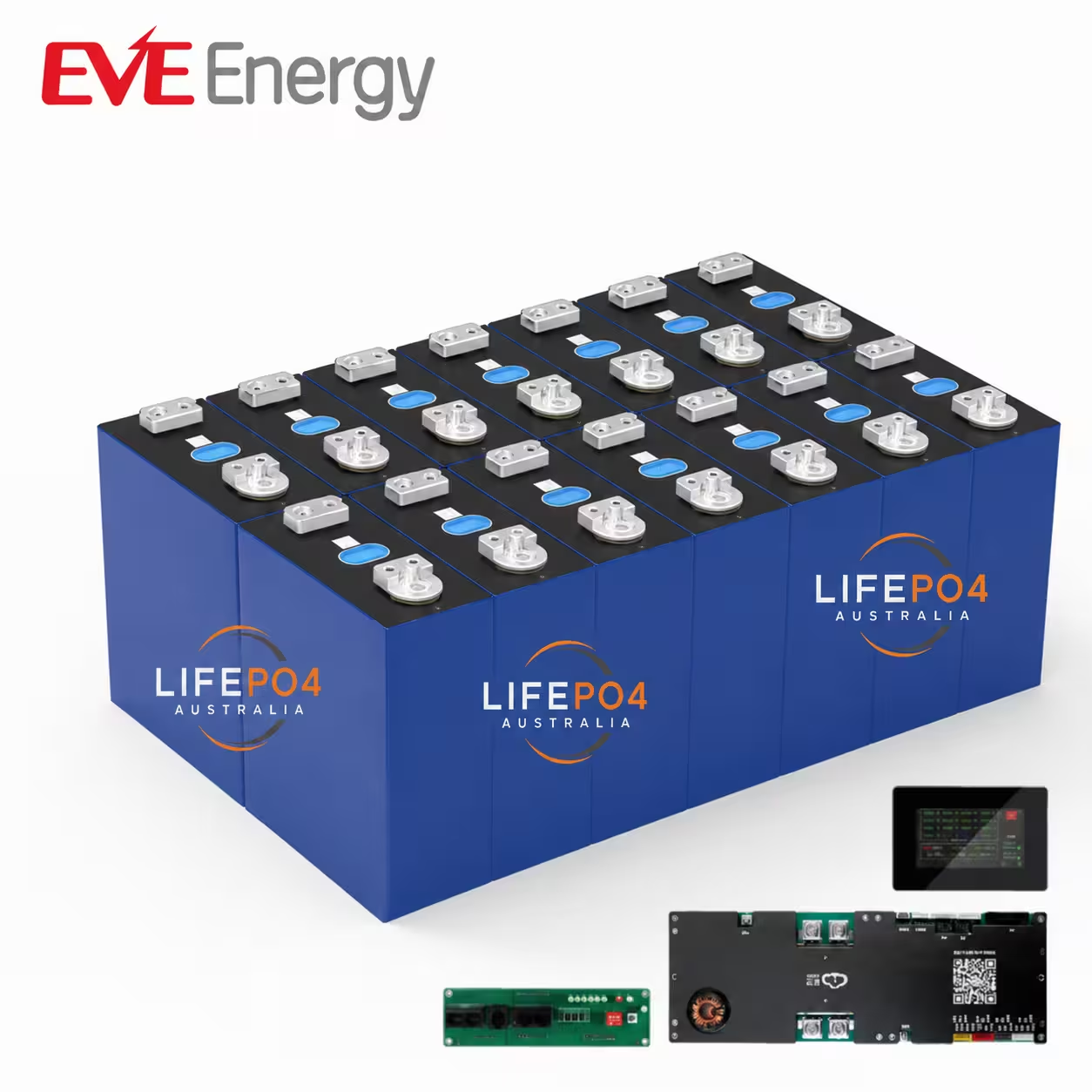
Automotive-grade EVE MB31 314Ah LiFePO4 cells with a free matching JK BMS on battery-pack purchases. 4-cell packs include a JK 4S 12V 200A Bluetooth BMS with 2A active balancing. 16-cell packs include your choice of JK inverter BMS or black JK 16S-20S 200A BMS. For 32-cell builds, we confirm the intended layout and include the matching JK BMS setup.

Original price was: $399.00.Current price is: $249.75.
Original price was: $1,596.00.Current price is: $1,000.00.
Original price was: $6,384.00.Current price is: $3,990.00.
Original price was: $12,768.00.Current price is: $7,800.00.
Clear
SKU: EVE-MB31-AUTOGRADE Categories: , , Brand:

Description

EVE MB31 314AH LIFEPO4 (Automotive Grade) Free BMS + FREE SHIPPING

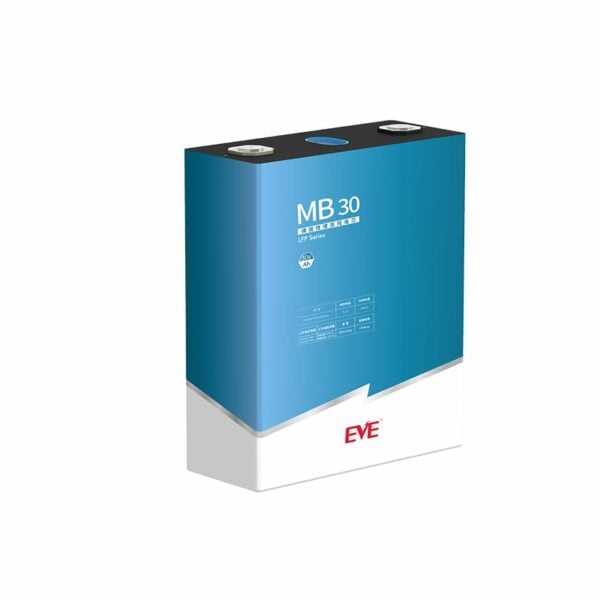
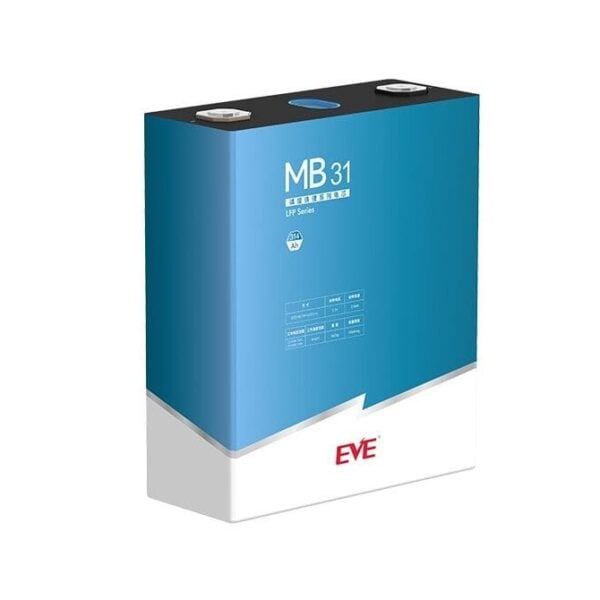
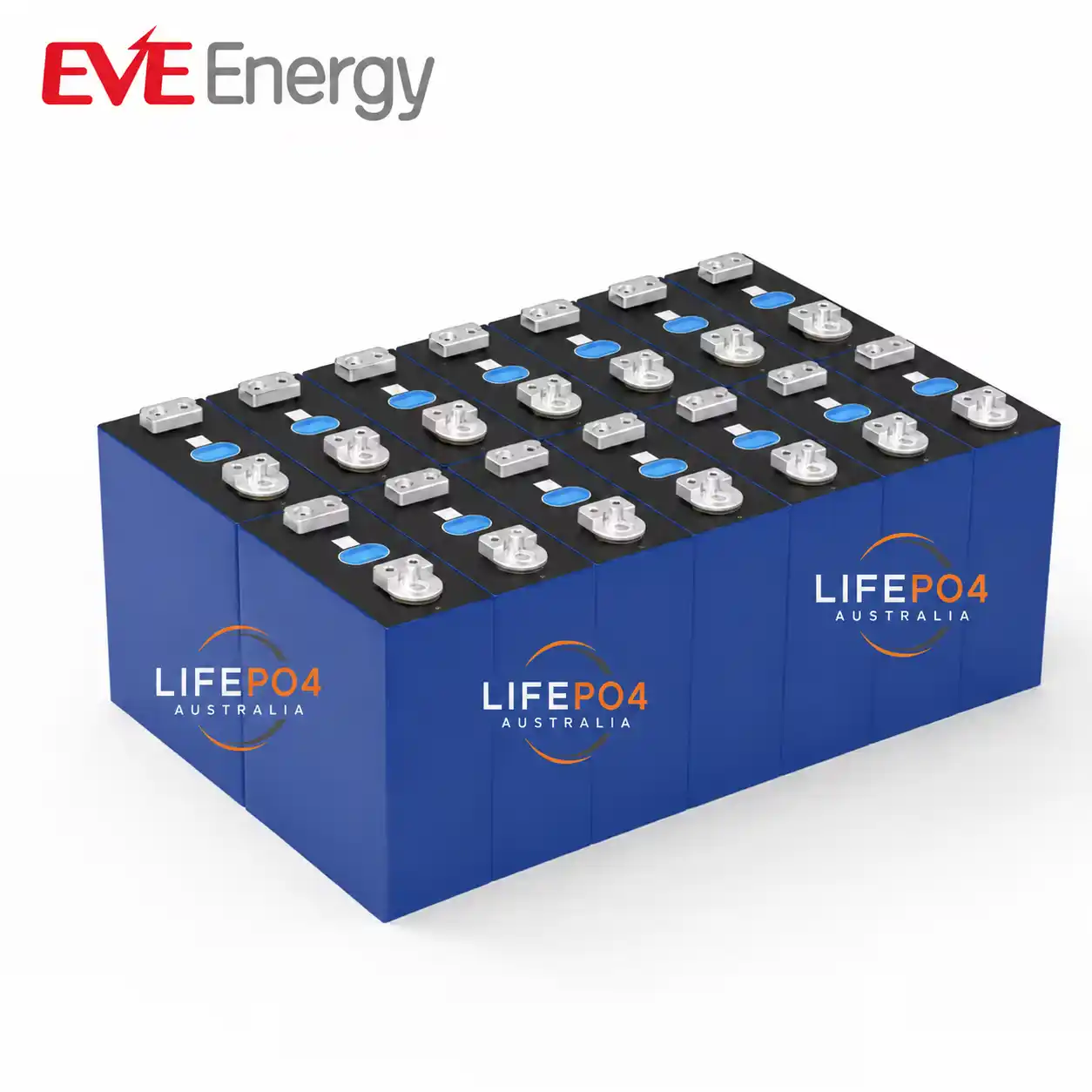
The EVE MB31 is a 314Ah prismatic LiFePO4 cell for serious DIY battery builds, solar storage, off-grid systems, caravans, marine power and high-capacity 12V, 24V and 48V battery banks.

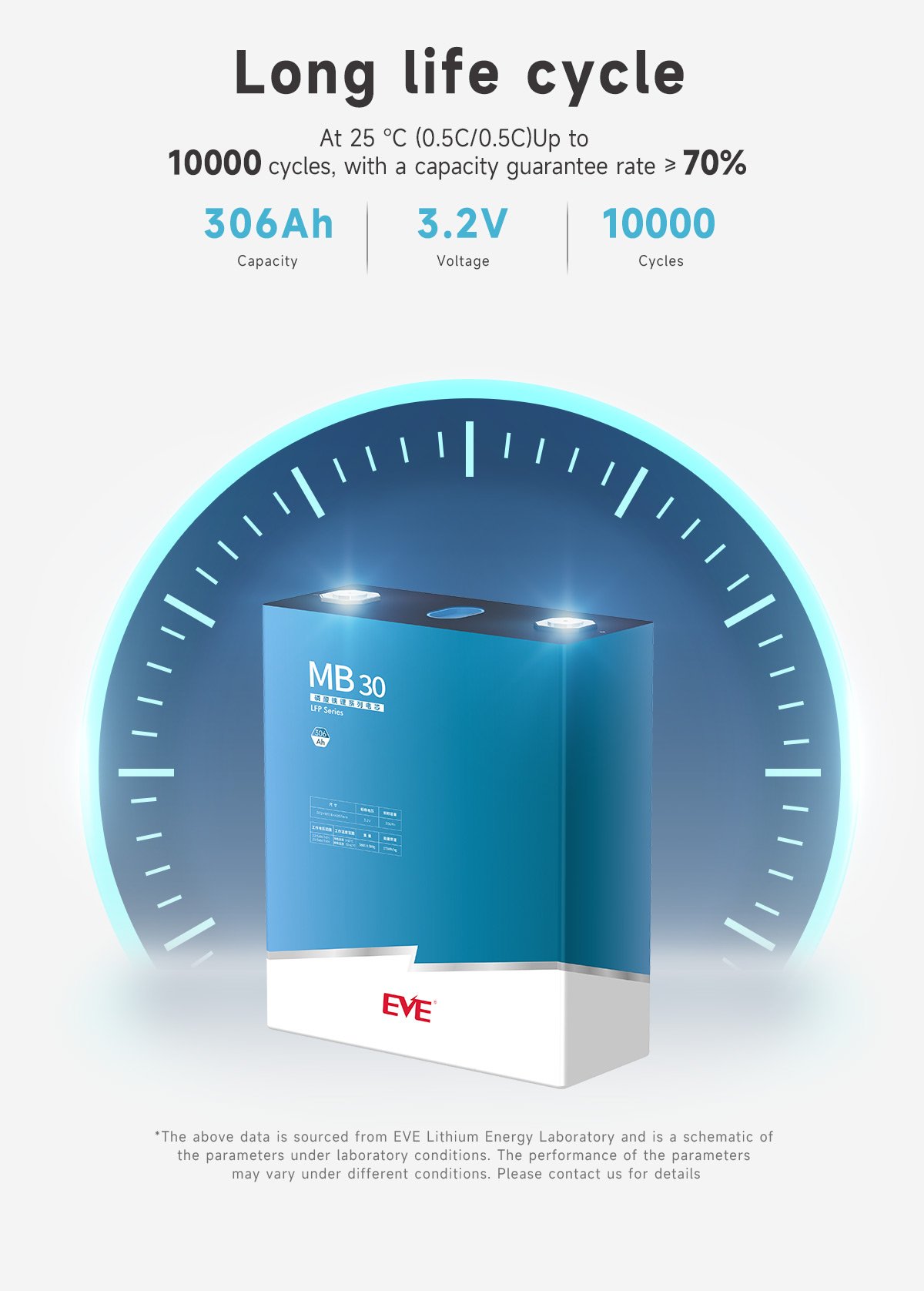
These are brand new automotive-grade EVE cells, supplied as matched cells. Each cell is 3.2V nominal and stores approximately 1,000Wh, with low internal resistance, strong cycle life and the current capability expected from a modern high-capacity LFP cell.

Free JK BMS offer

Battery-pack quantities include a free JK BMS matched to the cell count and intended battery layout. A good BMS is not an optional extra on a DIY lithium battery; it protects the pack, monitors the cells and keeps the battery operating inside safe limits.

Pack sizeFree JK BMS inclusion
1 cellCell only. A BMS is normally used when building a multi-cell battery pack.
4 cells1 x JK 4S 12V 200A BMS with Bluetooth and 2A active balancer.
8 cells by request2 x JK 4S 12V 200A Bluetooth BMS units, commonly used for two 12V 4S packs. Tell us if you are building a single 8S 24V battery instead.
16 cellsYour choice of JK inverter BMS or black JK 16S-20S 200A BMS. We can confirm the best option for 48V 1P16S or other layouts before dispatch.
32 cellsMatching JK BMS setup for your intended build, commonly either two 16S banks or a larger 2P16S style build. We confirm the configuration before dispatch.

Why the 2A active balancer matters

Large 314Ah cells hold a lot of energy. A very small passive balance circuit can struggle to correct meaningful cell drift in a high-capacity pack. The included 4S JK BMS has a 2A active balancer, which can move a useful amount of current between cells and is widely considered close to essential for building a reliable large-cell lithium battery.

Active balancing does not replace good build practice: cells still need to be matched, wired correctly, compressed or mounted properly, fused correctly and charged with suitable LiFePO4 settings.

Common battery layouts

These examples are for planning only. Your final BMS choice, fusing, cable size, busbars, enclosure and charger/inverter settings should match the actual system.

CellsLayoutNominal voltageApprox capacityNotes
41P4S12.8V314Ah / about 4kWhCommon 12V DIY battery layout. Includes a 4S JK BMS.
82 x 1P4S packs12.8V each, or series for 24V314Ah per 12V packUses 2 x 4S BMS units. Ask us if you want a single 1P8S 24V pack.
161P16S51.2V314Ah / about 16kWhCommon 48V solar/off-grid layout. Choose JK inverter BMS or black JK 16S-20S 200A BMS.
162P8S25.6V628Ah / about 16kWhHigh-capacity 24V layout. Tell us before dispatch so the BMS matches an 8S build.
322P16S or 2 x 1P16S51.2V628Ah / about 32kWhUsed for larger 48V storage banks. We confirm whether you want one larger bank or two separate 16S packs.

Simple wiring diagrams

1P4S – 12V battery:

1P16S – 48V battery:

2P8S – 24V battery using 16 cells:a

Build notes

  • Use a BMS with the correct series count for the final battery layout.
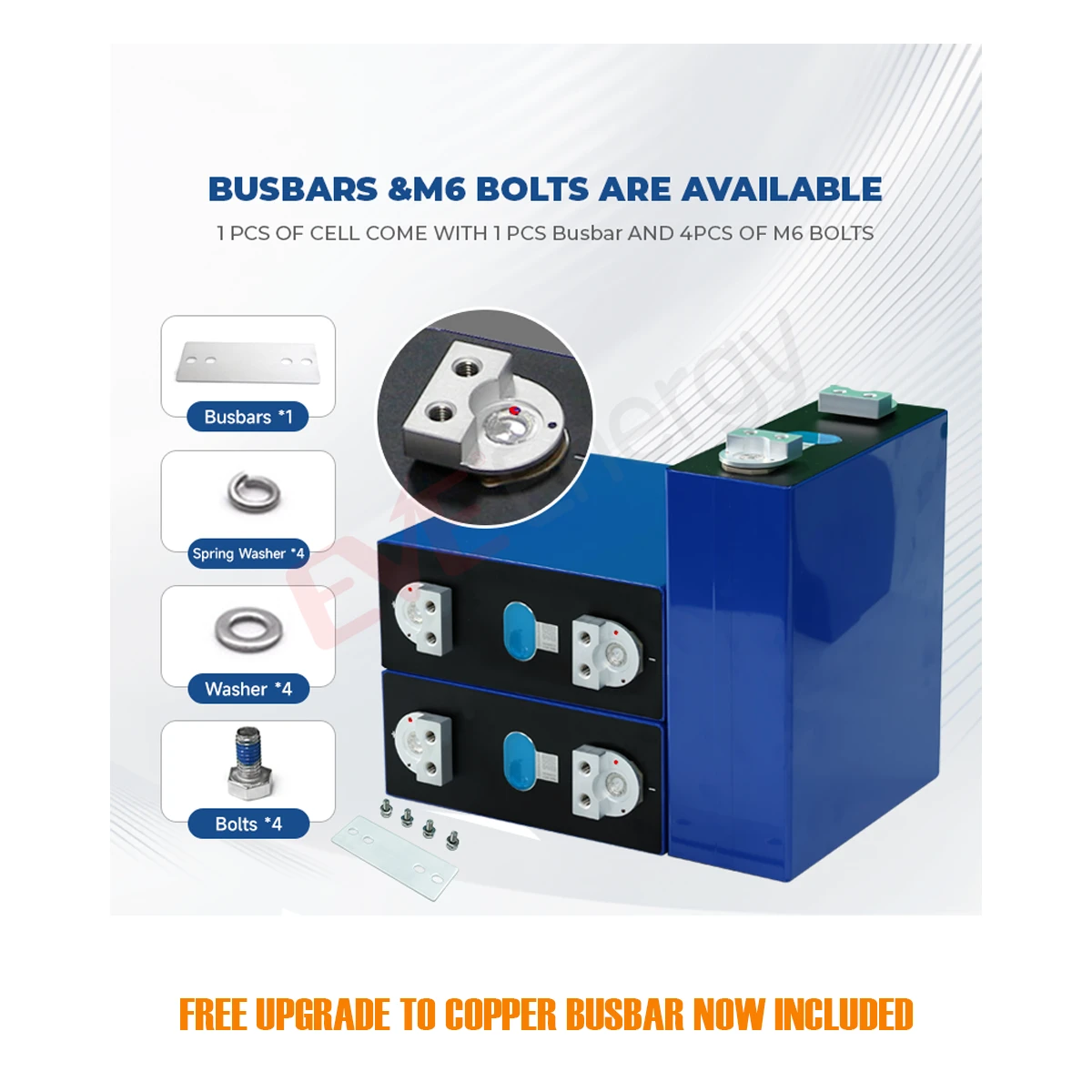
  • Use correctly rated fuses, disconnects, cable, lugs and busbars.
  • Set chargers and inverters to LiFePO4-safe voltage limits.
  • Check cell polarity carefully before connecting busbars or BMS balance leads.
  • For 16-cell and 32-cell purchases, add your intended battery voltage/layout in the order notes so we can match the BMS correctly.

Shipping

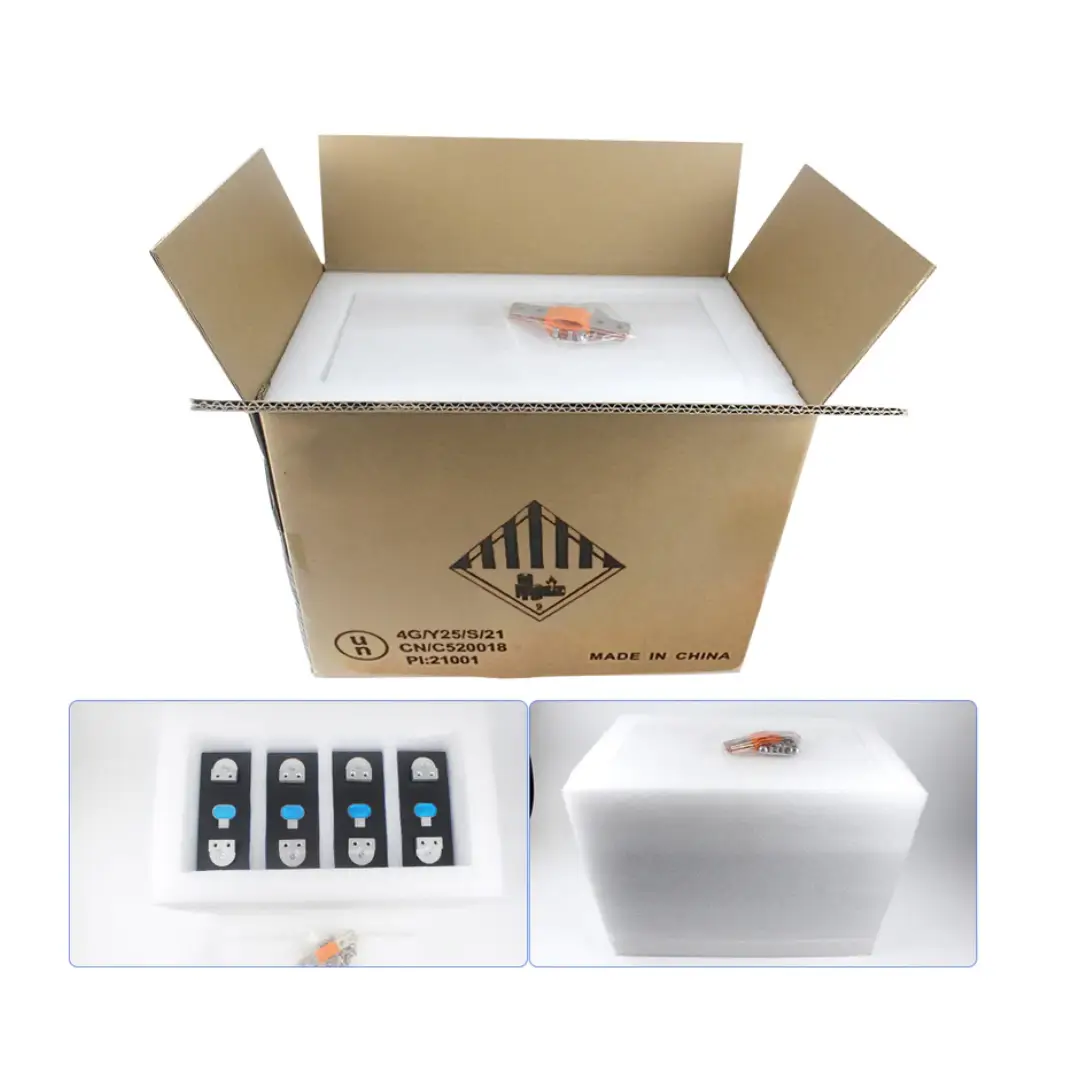
Shipping is calculated at checkout. In most cases, the best value freight option is depot or commercial-address delivery. Residential delivery of lithium cells can require dangerous-goods freight handling and may be significantly more expensive depending on location.

Specifications

SpecificationValue
Cell modelEVE MB31
ChemistryLiFePO4 / LFP
Nominal capacity314Ah
Nominal voltage3.2V
Approx energy per cellAbout 1,000Wh
Cycle lifeUp to 8,000 cycles, depending on operating conditions
Standard charge/discharge0.5C / 0.5C
Continuous current at 0.5CApprox 157A
Burst rating1C for 30 seconds
Internal resistanceApprox 0.17-0.18 mOhm
Charge cut-off voltage3.65V
Discharge cut-off voltage2.5V above 0 C / 2.0V at 0 C or below
Discharge temperature-30 C to 60 C
Charge temperature2 C to 60 C
DimensionsApprox 207.2 x 173.7 x 71.7 mm
WeightApprox 5.6kg per cell
CertificationsMSDS, UN38.3, CE / IEC 62619 cell certification

FREE SHIPPING IS FOR MOST ADDRESSES in Australia

However, rural and remote locations, including WA, NT, and TAS, will incur some freight charges, and in most cases of large orders, we will require collection from a local DEPOT or Commercial address with a Forklift onsite.

Additional information

Weight6 kg
Dimensions11 × 35 × 30 cm
Pack Size

1 cell, 4 cells, 16 cells, 32 cells

EVE Letter of Authenticity

Download

For custom special batch matched cells We declare here that EVE ENERGY CO., LTD. is original Manufacturer of various lithium-ion Cell models under Brand "EVE". We supply Lithium-lon Cells MB31 Grade A (8000 cycles) to LiFePO4 Australia

EVE_Cell_MB31_UN38.3_Cert By Road 2024

Download

EVE_Cell_MB31_UN38.3_Cert By Road - 2024 Please note - we will not supply current docs prior to purchase

MB31 Datasheet

Download

Model MB31 Specification No. PBRI-MB31-D06-01 Version A Product Specification Prismatic LFP Cell Model: MB31 : MB31

While these batteries are designed for robust performance across a wide temperature range—discharge from -30°C to 60°C and charging from 2°C to 60°C—they operate most efficiently around 25°C. Using them outside this ideal range is possible (as per the manufacturer's certifications like MSDS, UN38.3, and CE), but it can impact the battery's cycle life, which refers to how many full charge-discharge cycles the battery can handle before its capacity drops significantly (typically to 80% of original). I'll break this down for cold and hot conditions below, focusing on how temperature affects performance and longevity.

Operating in Cold Temperatures (Below 25°C, Especially Near or Below 2°C for Charging)

Cold environments slow down the chemical reactions inside the battery, which can lead to reduced efficiency and faster degradation over time. Here's what typically happens:

  • During Discharge (e.g., powering devices): The battery can still function down to -30°C, but its available capacity might decrease by 10-30% or more compared to room temperature. This is because the electrolyte thickens, increasing internal resistance and making it harder for ions to move. While this doesn't immediately damage the cell, repeated cold discharges can stress the materials, leading to a shorter cycle life—potentially reducing it by 20-50% over hundreds of cycles, depending on how cold and frequent the exposure is.
  • During Charging (Limited to Above 2°C): Charging below 2°C is not recommended and could void warranties, as it risks "lithium plating," where lithium metal deposits on the anode instead of integrating properly. This plating reduces capacity, increases the risk of internal shorts, and can shorten cycle life dramatically (e.g., from thousands of cycles at 25°C to just hundreds in extreme cold). Even between 2°C and 25°C, charging is slower and less efficient, accelerating wear on the battery's solid electrolyte interphase (SEI) layer, which protects the electrodes but degrades faster in suboptimal conditions.

In summary, cold use prioritizes safety by limiting charging, but it trades off longevity. For best results, we suggest warming the battery (e.g., via a heater or insulated enclosure) before charging in cold climates to preserve cycle life.

Operating in Hot Temperatures (Above 25°C, Especially Near or Above 60°C)

Heat speeds up chemical reactions, which can boost short-term performance but causes accelerated aging and capacity loss. Key effects include:

  • During Discharge and Charging: Above 25°C, the battery might deliver slightly more power initially due to lower resistance, but prolonged exposure to temperatures up to 60°C breaks down the electrolyte and thickens the SEI layer. This leads to irreversible capacity fade—meaning the battery holds less charge over time. For instance, at 40-50°C, cycle life could drop by 30-60% compared to 25°C, and at 60°C, it might halve or worse, depending on usage patterns.
  • Overall Degradation: High heat promotes side reactions, like electrode material dissolution or gas formation, which can swell the cell or reduce its efficiency. If temperatures exceed 60°C regularly, safety risks increase (e.g., thermal runaway), though LFP chemistry is inherently safer than other lithium-ion types due to its stable structure.

To mitigate this, ensure good ventilation, avoid direct sunlight, or use cooling systems in hot environments. The cells are certified for these ranges, but sticking closer to 25°C will help achieve the rated cycle life (often 2,000-5,000 cycles or more at optimal conditions).

General Advice

While our LFP cells are versatile and safe across these temperatures, the key takeaway is that deviations from 25°C reduce cycle life by increasing stress on internal components. The exact impact varies based on factors like depth of discharge, charge rate, and how often the extremes occur—milder deviations (e.g., 15°C or 35°C) have less effect than extremes.

The EVE MB31 is a high-capacity prismatic LiFePO4 (LFP) cell with a nominal capacity of 314Ah and a nominal voltage of 3.2V. Real-world tested capacity exceeds 330Ah under standard conditions, providing excellent energy density for large-scale energy storage, solar systems, EVs, or off-grid setups.

The manufacturer rates the MB31 for ≥8,000 cycles at 70% State of Health (SOH), when charged and discharged at 0.5C (157A) at 25°C. This makes it one of the longest-lasting LFP cells available for stationary applications like home solar batteries or commercial ESS. Actual cycle life can exceed this with gentler usage (e.g., shallower DoD, lower C-rates, optimal temperature).

  • Standard/Recommended: 0.5C charge and 0.5C discharge (157A continuous for both).
  • Maximum Continuous: Typically limited to 0.5C for optimal longevity (higher rates accelerate degradation).
  • Pulse (short bursts, e.g., 30s): Up to 0.5C or slightly higher in some conditions, but stick to 0.5C for best cycle life. Exceeding 0.5C regularly (e.g., 1C discharge) generates more heat and can reduce cycle life significantly due to increased internal resistance and material stress.

The initial AC impedance (1kHz) is ≤0.18 mΩ (typically around 0.17-0.18 mΩ at 25°C). Low IR means better efficiency, less heat during high-current operation, and excellent performance in parallel/series packs.

  • Charging cut-off voltage: 3.65V per cell (do not exceed to avoid overcharge stress).
  • Discharge cut-off voltage: 2.5V per cell (above 0°C) or 2.0V (below 0°C for safety).
  •  
  •  
  • For longest life, we recommend a conservative window: charge to 3.45-3.55V and discharge no lower than 2.8-3.0V (10-90% SOC window).

X