News
Identifying Qualified Solar PV and Battery Storage Providers in Queensland: A Guide to Current Standards and Verification

Accreditation for solar installers in Australia has recently transitioned from the Clean Energy Council (CEC) to Solar Accreditation Australia (SAA) as of May 2024

1. Introduction: Finding Accredited Solar & Battery Providers in Queensland

Navigating the process of selecting a solar photovoltaic (PV) and battery storage provider in Queensland requires careful consideration, particularly regarding qualifications and accreditation. Homeowners and businesses seeking to install these systems rightly prioritize safety, quality, performance, and eligibility for government incentives, such as Small-scale Technology Certificates (STCs). Ensuring that installers and designers meet specific requirements is crucial for systems to qualify for STCs.  

However, the landscape of accreditation and approval within the Australian solar industry has undergone significant changes recently. The term “Clean Energy Council (CEC) Accredited Installer,” once the standard, is no longer current. The responsibility for accrediting individual installers transitioned from the CEC to Solar Accreditation Australia (SAA) on 29 May 2024. Concurrently, the CEC’s “Approved Solar Retailer” program, which focused on businesses selling solar systems, was replaced earlier, in February 2023, by the New Energy Tech Consumer Code (NETCC) Approved Seller program. The CEC continues to administer this new code.  

This shift, involving distinct changes for both individual installers (now SAA) and retail businesses (now NETCC), introduces potential confusion for consumers. Businesses may still use outdated terminology like “CEC Accredited,” either intentionally or through oversight, making it harder for consumers to understand current requirements. This is compounded by the fact that these schemes cover different entities – SAA accredits individuals , while NETCC approves businesses. Understanding this distinction is fundamental to correctly identifying qualified providers.  

It is important to note that there is no single, official, government-maintained list that allows consumers to search for all SAA-accredited installers specifically within Queensland. Instead, identifying and verifying qualified providers involves understanding the current standards and utilizing specific tools and verification methods. This report aims to provide Queensland consumers with the necessary knowledge and practical strategies to confidently navigate this process. It will detail the roles of SAA, NETCC, the CEC’s product approval scheme, and Queensland’s mandatory electrical licensing requirements. Subsequently, it will outline methods for finding potential providers and, crucially, verifying their credentials and the products they offer, concluding with essential checks before entering into any contract.  

2. Understanding the Current Accreditation & Licensing Landscape in Queensland

Ensuring a high-quality, safe, and compliant solar PV and battery storage installation in Queensland necessitates verifying credentials across several distinct layers. These involve the individual performing the installation, the business selling the system, the specific components used, and mandatory state-level electrical licensing. Each layer plays a critical role in the overall integrity and eligibility of the system.

2.1. Solar Accreditation Australia (SAA): Accrediting the Installer (The Individual)

Solar Accreditation Australia (SAA) is now the designated national body responsible for the accreditation of individuals who design and install solar PV and battery storage systems. This function was previously managed by the Clean Energy Council but fully transitioned to SAA in May 2024.  

SAA accreditation for the individual installer who completes or supervises the installation is a mandatory requirement for the system owner to be eligible to claim STCs, often referred to as the ‘solar rebate’. Without this accreditation, the financial benefits associated with STCs cannot be accessed.  

Crucially, SAA accreditation applies only to individual persons, not to companies or businesses. While companies employ SAA-accredited individuals to perform the work, the company itself cannot hold SAA accreditation. Consumers should be wary of any business claiming to be “SAA Accredited,” as this indicates a misunderstanding or misrepresentation of the scheme.  

To achieve and maintain accreditation, installers must meet stringent requirements. This includes completing specific training modules, adhering to all relevant Australian Standards (such as AS/NZS 5139 for battery installations ), complying with local grid connection rules, and following the installation requirements of the accreditation scheme. Furthermore, accredited installers must meet strict on-site attendance requirements, being physically present during critical stages: job setup, a mid-installation check-up, and the final testing and commissioning. Photographic evidence documenting their presence at these stages, including date, time, and geolocation data, may be required for compliance verification.  

2.2. New Energy Tech Consumer Code (NETCC): Approving the Seller (The Business)

The New Energy Tech Consumer Code (NETCC) is a voluntary code of conduct specifically designed for businesses (retailers or sellers) involved in the sale of ‘New Energy Tech,’ which includes solar PV systems, battery storage, EV chargers, and other emerging technologies. Although participation is voluntary, the code is administered by the Clean Energy Council and is authorised by the Australian Competition and Consumer Commission (ACCC).  

The primary goal of the NETCC is to establish consumer protection standards that go beyond the minimum requirements set by Australian Consumer Law. It covers the entire customer journey, setting standards for ethical sales and marketing practices, clear and comprehensive quotes and contracts, safe and timely delivery and installation, fair warranty terms, and effective after-sales support and complaints handling processes.  

While choosing a NETCC Approved Seller is not mandatory for STC eligibility in the same way SAA accreditation is for the installer, it is highly recommended. Businesses that become signatories commit to upholding these higher standards. Importantly, NETCC Approved Sellers are obligated to use SAA-accredited installers for the physical installation work and must use products (panels, inverters, batteries) that are approved by the Clean Energy Council. This commitment provides consumers with an added layer of assurance regarding the quality and compliance of both the installation service and the components used.  

The NETCC program officially replaced the CEC’s former “Approved Solar Retailer” (ASR) program on 1 February 2023. Consumers may still encounter references to the ASR program in older documentation or marketing materials , highlighting the importance of understanding this transition. The NETCC program has seen significant uptake, with over 1,500 businesses across Australia becoming signatories.  

The existence of the NETCC program serves as a valuable initial filter for consumers. Because Approved Sellers have undergone an assessment process and committed to higher operational and ethical standards , searching the NETCC directory first can streamline the process of finding reputable businesses. These businesses are more likely to adhere to best practices, use qualified personnel (SAA accredited installers), and install compliant equipment (CEC approved products) , simplifying the consumer’s initial search phase compared to navigating the broader market.  

2.3. Clean Energy Council (CEC): Approving Products & Administering NETCC

While the CEC no longer accredits individual installers, it retains crucial roles within the rooftop solar and battery sector. Its most significant function for consumers and installers is maintaining the official lists of approved products. These lists cover PV modules (panels), inverters, and batteries that have been tested and verified as meeting relevant Australian Standards.  

Using components included on these CEC-approved lists is mandatory for claiming STCs. Furthermore, grid connection agreements with electricity network distributors often require the use of CEC-approved components. It is vital for both installers and consumers to ensure that the specific make and model of panels, inverters, and batteries being installed are currently listed, as products can be added or removed (de-listed) over time. Checking these lists directly on the CEC website provides certainty.  

As mentioned previously, the CEC also administers the NETCC program for approved sellers.  

Additionally, the CEC offers company membership. However, this is distinct from both SAA installer accreditation and NETCC seller approval. While membership indicates support for the clean energy industry, it involves lower barriers to entry and is not considered a reliable indicator of installation quality or adherence to specific consumer protection standards compared to NETCC approval.  

2.4. Queensland Electrical Licensing: The Non-Negotiable Foundation

Underpinning all industry-specific accreditations and approvals is the fundamental legal requirement for electrical licensing in Queensland. Any individual performing electrical wiring work, which includes the installation of grid-connected solar PV systems and battery storage systems, must hold a current Queensland electrical licence issued by the state’s Electrical Safety Office (ESO).  

This requirement applies irrespective of whether the individual holds SAA accreditation or works for a NETCC Approved Seller. It covers grid-connected systems and generally extends to off-grid systems involving alternating current (AC) voltages of 50V or more, or direct current (DC) voltages of 120V or more. Battery system installations inherently involve electrical work requiring a licensed electrician.  

Engaging unlicensed individuals for electrical work is illegal and poses significant safety risks, potentially leading to electric shock or fire. Consumers have a responsibility to verify the electrical contractor’s licence number before any work commences. This verification ensures the work is performed legally and by someone qualified under state law.  

The interplay of these different requirements highlights that ensuring a compliant and high-quality installation involves multiple checks. The individual installer needs both SAA accreditation (for STCs and industry standards) and a Queensland electrical licence (for legal and safety compliance). The business selling the system should ideally be a NETCC Approved Seller for enhanced consumer protection and assurance of best practices. Finally, the core components – panels, inverter, and battery – must be on the CEC’s approved product lists. Failure to meet the mandatory requirements (SAA accreditation, QLD licence, CEC-approved products) can jeopardise STC eligibility, grid connection approval, system safety, and legal compliance. Opting for a non-NETCC approved seller, while not automatically disqualifying, removes a layer of assured consumer protection and recourse.

Table 1: Key Accreditation, Approval, and Licensing Bodies for Queensland Solar & Battery Installations

EntityRoleFocusStatusVerification Method
Solar Accreditation Australia (SAA)Accredits individuals who design/install solar & battery systemsIndividualsMandatory for STC eligibilitySAA Accreditation Status Check tool (requires installer name/number)
New Energy Tech Consumer Code (NETCC) (Administered by CEC)Approves businesses (sellers/retailers) adhering to consumer codeBusinessesVoluntary, but highly recommended for consumer protectionNETCC Find an Approved Seller tool (searchable by location/service)
Clean Energy Council (CEC)Approves products (panels, inverters, batteries) meeting standardsProductsMandatory for STC eligibility & often grid connectionCEC Approved Product Lists (searchable on CEC website)
Electrical Safety Office (ESO), Queensland Govt.Issues electrical work licencesIndividuals/BusinessesMandatory legal requirement for performing electrical work in QLDQLD Electrical Licence Search tool (requires contractor name/licence number)

3. How to Find and Verify Approved Solar and Battery Providers in Queensland

Given the multi-layered compliance landscape and the absence of a single, comprehensive government directory, a strategic approach is needed to find and verify solar and battery providers in Queensland. The recommended process involves using dedicated directories to identify potential businesses and then rigorously verifying the credentials of both the business and the specific individuals involved.

3.1. Primary Method 1: NETCC Approved Seller Directory (Recommended for Businesses)

The most effective starting point for finding reputable businesses is the official NETCC “Find an Approved Seller” directory. This tool is accessible via the NETCC website at https://www.newenergytech.org.au/find-an-approved-seller.  

Users can search this directory by location, entering a specific Queensland suburb or postcode. Crucially, the tool allows filtering by the type of services offered, enabling users to specifically select businesses that provide both Solar PV and Battery Storage systems. The search results are typically displayed as a list or map of businesses meeting the criteria.  

The primary advantage of using this directory is that it lists businesses that have voluntarily committed to the higher consumer protection standards outlined in the NETCC. These businesses are also required to use SAA-accredited installers and CEC-approved products, providing a degree of pre-qualification. With over 1,500 signatories nationally, the directory offers a substantial pool of potential providers.  

However, it’s important to remember that this directory lists businesses (sellers), not every individual SAA-accredited installer. Furthermore, participation in the NETCC program is voluntary, meaning some competent and reputable installers or businesses may not be listed. Therefore, while an excellent starting point, it should not be the sole resource used.  

3.2. Primary Method 2: Master Electricians Australia (MEA) Directory

Another valuable resource is the “Find a Master Electrician” tool provided by Master Electricians Australia (MEA) , available at https://www.masterelectricians.com.au/find-master-electrician/. MEA is an industry association for electrical contractors.  

This tool allows users to search for member businesses based on specific services and location. Users can select multiple services from an extensive list, including relevant options like “Solar,” “Battery Energy Storage,” and potentially “CEC Accreditation” (though the exact meaning of this filter in the current context may need clarification with the provider, it likely relates to familiarity with CEC requirements or product lists). Users then enter a Queensland location (suburb or postcode) and specify a search radius (10km, 50km, or 100km) to find local contractors.  

Using the MEA directory can identify local electrical contractors who are members of the association and have committed to a code of ethics, with access to technical and safety support resources. It provides an alternative searchable database filtered by specific electrical specialisations, including solar and battery work.  

Similar to the NETCC, MEA membership is voluntary, so the directory does not encompass all qualified electricians or solar installers in Queensland. Finding a contractor through this tool still necessitates independent verification of their specific SAA accreditation for solar/battery work and their current Queensland electrical licence status.

3.3. Verification Step 1: Checking SAA Accreditation (For Individuals)

Once potential providers (businesses) have been identified, the critical step is to verify the accreditation of the individuals who will be responsible for the system design and installation. This is done using the SAA “Accreditation Status Check” tool , found at https://saaustralia.com.au/accreditation-status-check/.  

This tool is designed purely for verification, not for searching a list of installers. To use it, the consumer must first obtain the full name or, preferably, the SAA accreditation number of the specific installer(s) from the potential solar company. It is essential to ask the company for these details for the individuals who will physically perform or directly supervise the work on-site. Entering these details into the tool confirms whether the individual holds current SAA accreditation and is therefore qualified under the scheme required for STC eligibility.  

3.4. Verification Step 2: Checking Queensland Electrical Licenses

Parallel to verifying SAA accreditation, it is imperative to confirm that the electrical contractor (business) and/or the individual electrician performing the work holds a valid Queensland electrical licence. This is verified using the official Queensland Government Electrical Licence Search tool, managed by the Electrical Safety Office (ESO). The tool can be accessed via the ESO website at https://www.electricalsafety.qld.gov.au/electrical-license-search or directly through the public search portal at https://rapid.appianportals.com/public_licence_search.  

Users can search the database using the electrical contractor’s business name or their specific licence number. The search confirms if the licence is current and valid for the type of electrical work being undertaken. This check verifies the legal right of the contractor to perform electrical work in Queensland, which is a fundamental safety and compliance requirement that cannot be overlooked.  

3.5. Secondary Resources (Use with Caution)

Beyond the primary NETCC and MEA directories and the essential SAA/QLD Licence verification tools, consumers may encounter other resources:

  • Third-Party Directories & Comparison Websites: Numerous commercial websites (e.g., SolarQuotes , Solar Directory , ENF Solar ) list solar installers, often searchable by location. Some, like SolarQuotes, state they vet installers they refer. While these can be useful for identifying local businesses, consumers must exercise caution. Listing on such sites does not automatically guarantee current accreditation or quality. It is crucial to always independently verify SAA accreditation and QLD electrical licenses using the official tools described above, regardless of claims made on third-party platforms. Be mindful that commercial relationships may influence rankings or recommendations on these sites.  
  • National Electrical and Communications Association (NECA): NECA is another significant industry body representing electrical contractors. While NECA has member directories , publicly accessible search tools appear less specifically filterable by service (like solar/battery) and location compared to the MEA tool, based on available information. Consumers seeking NECA members may need to contact the Queensland branch directly for assistance.  

The existence of separate systems for installer accreditation (SAA), business approval (NETCC), product approval (CEC), and state licensing (QLD ESO), along with various voluntary industry memberships (MEA, NECA) and commercial directories, means there is no single, unified source for finding and verifying providers. Consumers must utilize a combination of these tools to build a complete picture. Relying solely on one directory or skipping the verification steps carries significant risks regarding compliance, quality, and eligibility for incentives.

Furthermore, the lack of a publicly searchable database of all SAA-accredited installers by location places the primary burden of verification onto the consumer. Unlike searching for a NETCC Approved Seller business, finding and verifying the specific SAA-accredited individual requires proactively requesting their details (name and/or accreditation number) from the potential solar company and then using the SAA verification tool. Similarly, verifying the QLD electrical licence requires obtaining the contractor’s details first. This active verification process is an essential part of consumer due diligence.  

Table 2: Tools for Finding and Verifying Solar & Battery Providers in Queensland

Tool NameProviderPurposeSearchable by Location (QLD)?Searchable by Service (Solar/Battery)?Verification Only?Link
NETCC Approved Seller FinderClean Energy Council (CEC) / NETCCFind approved businesses (sellers)YesYesNohttps://www.newenergytech.org.au/find-an-approved-seller
MEA Find a Master ElectricianMaster Electricians Australia (MEA)Find member electrical contractors (businesses)YesYesNohttps://www.masterelectricians.com.au/find-master-electrician/
SAA Accreditation Status CheckSolar Accreditation Australia (SAA)Verify accreditation of a known individual installer/designerNo (Requires name/number)No (Confirms existing accreditation)Yeshttps://saaustralia.com.au/accreditation-status-check/
QLD Electrical Licence SearchElectrical Safety Office (ESO), QLD Govt.Verify electrical licence of a known contractor/individualNo (Requires name/number)No (Confirms existing licence)Yeshttps://www.electricalsafety.qld.gov.au/electrical-license-search

4. Essential Checks Before Signing a Contract in Queensland

Identifying potential solar and battery providers using the directories and verification tools is a critical first phase. However, comprehensive due diligence must be performed before signing any contract to ensure the chosen provider meets all requirements and offers a suitable solution.  

4.1. Confirm Credentials

Before proceeding, re-verify all essential credentials:

  • SAA Accreditation: Obtain the full name and SAA accreditation number(s) for the specific individual(s) who will be responsible for the system design and the on-site installation supervision (including setup, mid-install check, and commissioning). Use the SAA status check tool (https://saaustralia.com.au/accreditation-status-check/) to confirm their accreditation is current and covers the relevant installation types (e.g., grid-connect solar, battery storage).  
  • NETCC Approval (Business): If engaging a solar retailer/company, confirm if they are listed as a NETCC Approved Seller using the NETCC finder tool (https://www.newenergytech.org.au/find-an-approved-seller). Choosing an Approved Seller provides access to enhanced consumer protection mechanisms and dispute resolution pathways.  
  • QLD Electrical Licence: Request the Queensland electrical contractor licence number for the business undertaking the work, as well as the licence number of the specific electrician(s) who will be performing the electrical installation. Verify these licences are current and valid using the QLD ESO Electrical Licence Search tool (https://www.electricalsafety.qld.gov.au/electrical-license-search or https://rapid.appianportals.com/public_licence_search).  

4.2. Verify Product Approval

Ensure that every major component offered in the quote – specifically the solar panels (modules), the inverter(s), and the battery system – is currently listed on the Clean Energy Council’s approved product lists. The quote should clearly state the manufacturer and exact model number for each component. Ask the provider for links to the listings or check them independently on the CEC website (https://cleanenergycouncil.org.au/industry-programs/products-program). Using components not on these lists will render the system ineligible for STCs and may violate grid connection agreements.  

4.3. Obtain and Compare Multiple Detailed Quotes

Do not rely on a single quote. Obtain at least two, preferably three, detailed written quotes from different qualified providers to compare offerings and prices. A professional quote should be comprehensive and transparent, avoiding handwritten or vague proposals. Key elements to look for in each quote include :  

  • Full business details: Name, address, phone number, ABN, and crucially, the QLD Electrical Contractor Licence number.  
  • Installer details: Name and SAA accreditation number of the responsible installer(s).
  • Itemised pricing: Clear breakdown of costs (including GST) for all components (panels, inverter, battery, mounting structure, cabling, isolators, etc.) and labour.  
  • Component specifics: Exact quantity, manufacturer (brand), and model number for panels, inverter, and battery.  
  • System specifications: Total solar array size (kWp) and battery usable capacity (kWh).  
  • Performance estimate: An indication of the expected energy generation and potential savings, including assumptions made.  
  • Warranty details: Clear statements outlining the duration and coverage of product warranties (panels, inverter, battery) and the installer’s workmanship warranty.  
  • STC calculation: Explicit mention of the STC discount applied to the total price.  
  • Timeline: An estimated schedule for supply and installation.  
  • Payment terms: Deposit requirements, progress payments, and final payment schedule.  
  • Substitution policy: Terms regarding component substitution if quoted models become unavailable (should require customer agreement and be for equivalent or superior specification).  

The level of detail and clarity in the quote often reflects the provider’s professionalism. A thorough, itemised quote suggests a meticulous approach, whereas a vague quote might obscure costs or allow for unwelcome variations later. NETCC standards specifically require clear and comprehensive quotes and contracts , reinforcing the link between quote quality and provider standards.  

4.4. Understand Warranties and After-Sales Support

Warranties are a critical aspect of the long-term value and security of a solar and battery investment. It is essential to understand the different warranties involved and who is responsible for honouring them. Key warranties include:  

  • Solar Panel Product Warranty: Covers defects in materials and workmanship (typically 10-25 years).
  • Solar Panel Performance Warranty: Guarantees a minimum power output level over time (typically 25 years, often with tiered degradation).
  • Inverter Warranty: Covers the inverter unit (typically 5-10 years standard, often extendable for a fee).
  • Battery Warranty: Covers the battery (typically 10 years, but often includes important conditions related to cycles, throughput, or depth of discharge).
  • Workmanship Warranty: Covers defects related to the installation itself (NETCC Approved Sellers must provide a minimum five-year whole-of-system warranty, which often includes workmanship , but always confirm the specifics).  

Clarify the process for making a warranty claim for each component and for the installation work. Understand whether the installer/retailer manages the claim process with the manufacturer or if the consumer needs to deal directly with the manufacturer. Consider the risk of the installer/retailer going out of business; while Australian Consumer Law (ACL) provides recourse through the manufacturer for product faults, claiming can be more complex. Keeping detailed records of all components and manufacturers is vital. The complexity of these multiple, overlapping warranties, reliant on the longevity of different entities (installer, retailer, manufacturer), underscores the importance of choosing established, reputable providers. The NETCC’s mandated 5-year whole-of-system warranty offers a baseline level of protection , but scrutiny of the specific terms and the provider’s stability remains crucial.  

4.5. Review the Contract Carefully

Before signing, meticulously review the final contract. Ensure it accurately reflects all terms agreed upon in the final quote, including component models, pricing, warranties, payment schedule, and installation timeline. Pay close attention to clauses regarding potential delays, component substitutions, dispute resolution processes, and any exclusions or limitations. Do not sign if there are discrepancies or unclear terms.  

4.6. Check Installer/Seller Experience and Reputation

Assess the provider’s track record and stability:

  • Business History: How long has the company been operating in the solar/battery industry? Look for businesses with several years of experience and an established local presence.  
  • References: Ask for contact details of previous customers in Queensland who have had similar systems installed. Speaking to references can provide valuable insights into their experience with the company’s service, communication, and post-installation support.  
  • Reviews: Check online reviews on platforms like Google or industry-specific sites (e.g., SolarQuotes), but interpret them critically, looking for patterns rather than isolated comments.  
  • Installation Team: Clarify whether the company uses its own employees for installation or relies on subcontractors. In-house teams often provide greater accountability and consistency.  

4.7. Queensland Specific Checks

Confirm the provider is familiar with local requirements:

  • Network Connection: Ensure the installer understands the specific grid connection application processes and technical requirements for Energex (South East QLD) or Ergon Energy (Regional QLD). They should typically handle the network connection agreement application on the customer’s behalf.  
  • Emergency Backstop Mechanism: If the proposed system (solar PV and/or battery) has an inverter capacity of 10 kilovolt-amperes (kVA) or greater, verify the installer is aware of and compliant with the requirement to install a generation signalling device as part of Queensland’s emergency backstop mechanism, implemented from February 2023.  

5. Conclusion: Your Checklist for Choosing a Queensland Solar & Battery Provider

Selecting the right provider for a solar PV and battery storage system in Queensland is a significant decision that requires careful research and verification. Due to recent changes in industry accreditation and the multi-layered nature of compliance, consumers must be proactive in their due diligence.

To summarise the recommended approach, consider the following checklist:

  1. Understand the Landscape: Recognize that SAA accredits individuals, NETCC approves businesses (voluntary), CEC approves products, and a QLD Electrical Licence is mandatory for electrical work. Be aware that “CEC Accredited Installer” is outdated terminology.  
  2. Identify Potential Providers: Use the NETCC Find an Approved Seller tool (https://www.newenergytech.org.au/find-an-approved-seller) as a primary resource for finding businesses committed to higher standards. Supplement with the MEA Find a Master Electrician tool (https://www.masterelectricians.com.au/find-master-electrician/) if desired. Use other directories with caution.  
  3. Verify SAA Accreditation: Obtain the name(s) and SAA accreditation number(s) of the specific individual(s) designing and installing the system. Verify their current status using the SAA tool (https://saaustralia.com.au/accreditation-status-check/).  
  4. Verify QLD Electrical Licence: Obtain the electrical contractor licence number(s) for the business and individual(s) performing electrical work. Verify their status using the QLD ESO tool (https://www.electricalsafety.qld.gov.au/electrical-license-search).  
  5. Verify CEC Product Approval: Ensure all quoted panels, inverters, and batteries (by specific model number) are on the current CEC approved lists (https://cleanenergycouncil.org.au/industry-programs/products-program).  
  6. Get Multiple Detailed Quotes: Obtain at least 2-3 itemised, written quotes from different verified providers.  
  7. Compare Quotes Thoroughly: Analyse component details, system size, performance estimates, all warranty terms (product, performance, workmanship), STC inclusion, timelines, and payment terms.  
  8. Assess Warranties & Support: Understand warranty coverage, claim processes, and who provides support. Consider provider stability.  
  9. Review Contract: Ensure the contract matches the final quote and all terms are clear before signing.  
  10. Check Reputation & Experience: Investigate the provider’s history, check references, and read reviews critically.  
  11. Confirm QLD Network Compliance: Ensure the provider understands Energex/Ergon connection rules and requirements for larger systems (>10kVA) if applicable.  

While the fragmented nature of accreditation and approval places a verification burden on the consumer, diligently following these steps significantly increases the likelihood of engaging a qualified, compliant provider. This methodical approach helps ensure the installation of a safe, high-performing solar and battery system that meets Australian standards, Queensland regulations, and is eligible for available government incentives. A reputable provider should be transparent, willing to provide all necessary credentials and documentation, and answer questions clearly throughout the process. Should issues arise with a provider, particularly a NETCC Approved Seller, avenues for complaint resolution exist via the NETCC program administrators or Queensland’s Office of Fair Trading.
News
Cheaper Home Batteries Program : LABOR 2025 FEDERAL ELECTION

On Sunday the 6th of April 2025, Federal Labor announced the Cheaper Home Batteries Program if elected promise.

The smoothing out of rooftop solar on the grid would likely reduce the need to upgrade network infrastructure and, it would follow, put downward pressure on network costs, which make up a large part of the retail energy bill that is paid by consumers.

POTENTIAL SAVINGS

A household with existing rooftop solar panels could save up to $1,100 annually* based on Labor quoted figures here
Explanation – Purchasing a battery should save $5,500 over 5 years, or up to $11,000 over 10 years. This includes the subsidy.

A home installing both new solar panels and a battery could save as much as $2,300 each year. These numbers are quoted again by Labor here

Cost analysis by ourselves looking at existing systems we have installed indicates that these savings could be a lot greater, especially for high users in the Ausnet power grid as mentioned by uncommonsolar on their detailed article . With peak prices of up to 50c per kWh some households could save up to $2100 a year on a battery install alone.

Scenario 1 – Deye 10 Year Warranty CEC Approved

Let’s say you install 2 x DEYE 6Kwh Wall Batteries, a Total of 12Kwh which is what we consider as an entry level battery size, Typically, it might cost approx $9,000-10,000 installed. Under the rebate, the price could drop by about $3000, making it dramatically more affordable. This rebate could slash solar batteries cost, significantly improving return on investment and shortening payback periods to less than 5 years for some customers after applying the proposed federal solar battery rebate.

The typical battery size is quoted as being 11.5Kwh, this is referenced in various places, common battery sizes are 5kwh of which most houses will purchase between 2 and 6 for a total 10-30Kwh

Alternative Battery sizes are 10kwh, 12Kwh, 14.3Kwh, 15Kwh and 16Kwh

Our LiFePro 16Kwh battery is our most popular battery for a couple of important reasons, we use large primsatic cells, such as the EVE 314ah cell with 8000 cycles , or the Hithium 10000 cycle 314Ah cell. We mention this because when you investigate the manufacturer datasheets, most 100ah cells which are the main cell used in smaller 5kwh batteries, then generally only support 3500-5000 cycles.

Summary – Using larger cells, leads to longer life based on manufacturer testing.

More about the Labor Battery rebate if elected

Mechanism: The program, starting July 1, 2025, if elected will offer a 30% discount on the cost of installed batteries through the existing Small-scale Renewable Energy Scheme. This could save around $4000 on a typical battery installation.

Beneficiaries: Households, small businesses, and community facilities are eligible.

Residential – Batteries up to 50Kwh
Small Business – Batteries up to 100 kWh are supported for businesses and facilities.

References –

  1. “Huge win:” Federal Labor unveils $2.3bn plan to slash home battery costs
    https://reneweconomy.com.au/huge-win-federal-labor-unveils-2-3bn-plan-to-cut-home-battery-costs-by-30-pct/
  2. Labor to deliver one million energy bill busting batteries
    https://alp.org.au/news/labor-to-deliver-one-million-energy-bill-busting-batteries/

Assumptions made

  1. The average price of a low cost battery is about $531.43 per Kwh
  2. After Rebate = $372 per Kwh
  3. The average price of a high cost battery is $700 per Kwh
  4. After Rebate $490 per Kwh
  5. The cost of a LiFePro 16Kwh Battery is $374 per Kwh
  6. After Rebate $262.45 Per Kwh

💰 Battery Cost Comparison Table (Per kWh)

Battery TypeTotal Size (kWh)Cost per kWhCost per kWh After 30% RebatePrice
Low-Cost Battery5.12$531.43$372.00$2,720
High-Cost Battery5.12$700.00$490.00$3,584
LiFePro 16kWh16$374.00$262.45$5999
2 x DEYE 6kWh12.24$550.00$385.00$6600

Expected Savings:

Households with existing solar could save up to $1,100 annually.

Households installing new solar and battery systems could save up to $2,300 annually.

For all the latest news on the Cheaper Batteries Program sign up to our mailing list with all the latest news

Cheaper Batteries Updates and News

Installed System Assessment - First Step

Installed system assessment

Installed systems need a site-specific assessment because property, switchboard, wiring, backup requirements, compliance and site conditions all matter.

Your contact details

So we can get back to you about your enquiry.

For the official statement from Labor, you can visit the page here: Labor to Deliver One Million Energy Bill Busting Batteries

News
Deye Hybrid Inverters Australia – Everything you need to know

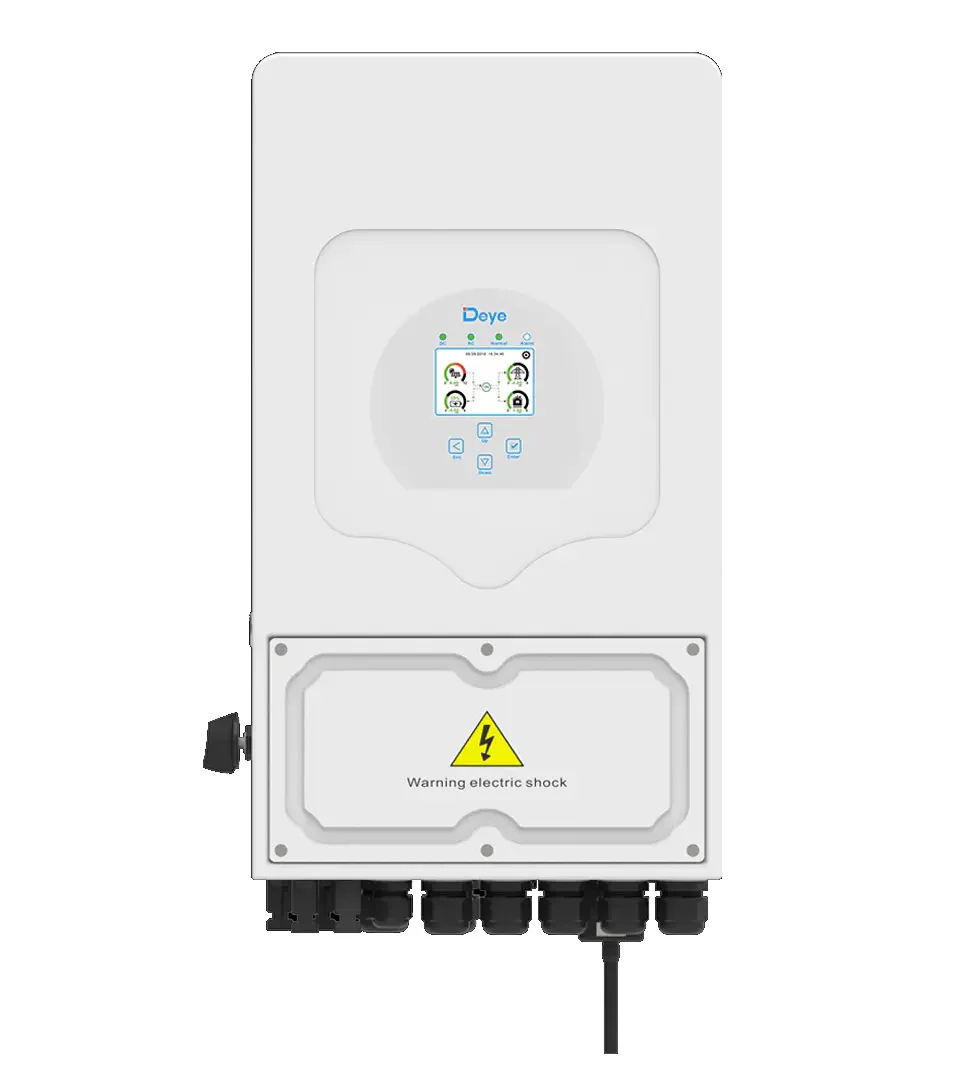
Harness the full potential of your solar energy system with Deye Hybrid Inverters—where innovation meets unparalleled value. Designed to seamlessly integrate with both on-grid and off-grid applications, Deye Hybrid Inverters offer a robust solution tailored for modern energy needs.​

SUN 8K SG05LP1 AU

Key Features:

  • 1. Versatile Battery Compatibility: Deye Hybrid Inverters are engineered to support low-voltage (48V) battery systems, including 51.2V LiFePO₄ batteries. This compatibility ensures efficient energy storage and management, allowing you to optimize your power usage effectively.
  • 2. Seamless Grid Integration with CEC Approval: Fully approved by the Clean Energy Council (CEC), Deye Hybrid Inverters guarantee compliance with stringent Australian standards, ensuring safety and reliability when connected to the grid. ​
  • 3. Reliable Off-Grid Performance: For locations with limited or no grid access, Deye Hybrid Inverters provide a dependable off-grid solution, delivering consistent power to keep your home or business running smoothly. ​
  • 4. Blackout Protection: Equipped with advanced blackout protection, these inverters ensure uninterrupted power supply during unexpected outages, safeguarding your essential appliances and systems. ​
  • 5. Virtual Power Plant (VPP) Compatibility: Deye Hybrid Inverters can be integrated with Virtual Power Plants, such as Amber Electric, enabling you to participate in energy trading and maximize the value of your solar investment. ​
    Home Assistant Community

Why Choose Deye Hybrid Inverters?

Deye Hybrid Inverters stand out for their exceptional blend of features, performance, and cost-effectiveness. Whether you’re aiming to reduce energy bills, achieve energy independence, or contribute to a sustainable future, Deye provides a solution that aligns with your goals.​

​Deye Hybrid Inverters are renowned for their advanced technology, versatility, and cost-effectiveness. Among their diverse product lineup, several models stand out for their exceptional performance and user satisfaction.​

Popular Models

SUN-8K-SG05LP1-AU

This 8kW single-phase hybrid inverter is designed to support both on-grid and off-grid applications. It offers a robust solution for residential and small commercial installations, providing seamless integration with 48V battery systems, including 51.2V LiFePO₄ batteries. Users have noted its solid build quality and useful features like dual AC inputs for UPS backup power. The inverter’s high solar MPPT current ratings allow for efficient energy harvesting. ​

SUN-12K-SG02LP1-AU-AM3

This 12kW single-phase hybrid inverter is ideal for larger residential or small commercial setups. It features three Maximum Power Point Trackers (MPPTs), enhancing its ability to optimize solar energy capture from multiple arrays. The inverter supports both grid-tied and off-grid operations, offering flexibility in energy management. Its compatibility with various 48V lithium batteries ensures efficient energy storage. Users appreciate its comprehensive backup capabilities, allowing the system to continue operating during grid outages. ​

SUN-16K-SG01LP1-AU

As one of the largest single-phase hybrid inverters available, this 16kW model is suitable for substantial residential properties or larger commercial applications requiring significant power capacity. It boasts high efficiency and robust performance, capable of managing extensive solar arrays and substantial energy storage systems. The inverter’s design facilitates seamless operation in both grid-connected and off-grid scenarios, providing users with reliable and flexible energy solutions. ​

THREE PHASE LV

SUN-12K-SG04LP3-AU

This 12kW three-phase hybrid inverter is tailored for commercial or industrial applications where three-phase power is essential. It supports parallel operation, allowing for scalable system expansion to meet growing energy demands. The inverter’s advanced features include multiple MPPTs for optimized solar input and comprehensive monitoring capabilities. Users have highlighted its reliability and efficiency in managing complex energy systems. ​forums.whirlpool.net.au

Real-world feedback underscores the reliability and performance of Deye inverters. Users have noted the solid build quality and useful features like dual AC inputs for UPS backup power in the SUN-8K-SG05LP1-AU model. Additionally, the SUN-12K-SG02LP1-AU-AM3’s comprehensive backup capabilities have been appreciated for maintaining operations during grid outages.

News
Victron Multi RS 48/6000 + JK BMS CAN Communication

Victron & JK BMS

JK BMS and Multi RS Solar: CAN setup guide

Connecting a JK inverter BMS to a Victron Multi RS Solar 48/6000 involves three separate checks: the CAN connection, the battery data reaching the GX device, and the inverter responding to the battery’s limits. Getting the battery to appear on screen is only part of the job.

This guide focuses on the JK-PB2A16S20P and the community-reported setups linked below. It brings the wiring, configuration and troubleshooting advice into one place, while keeping the original discussions available for their screenshots and hardware details.

Before you start: confirm the exact hardware

Record your JK BMS model and hardware/firmware versions, the GX model, Venus OS version and Multi RS firmware. Ask the battery or BMS supplier for the matching CAN pinout, Victron protocol instructions and supported charging settings. A working example with another JK revision is a useful lead, but does not establish compatibility for yours.

JK is not listed on the Victron battery compatibility page checked for this guide. Victron provides limited support for DIY BMS systems; the DVCC manual says to enable DVCC only where it is explicitly supported for the battery type. Confirm the integration with your supplier before commissioning it. The battery must retain its own independent protection and disconnect capability.

1. Keep the two CAN networks separate

For the 500 kbit/s JK CAN arrangement discussed here, the communication paths are:

  • Multi RS Solar → GX VE.Can interface: 250 kbit/s.
  • JK BMS CAN → separate GX CAN interface: configured for the battery’s 500 kbit/s BMS profile.

On an original Cerbo GX, the dedicated BMS-Can interface is fixed at 500 kbit/s. A Cerbo GX MK2 has two configurable VE.Can interfaces. Two RJ45 sockets on one interface are part of the same bus; they do not provide two independent networks.

Terminate both ends of the Multi RS VE.Can network. On the battery network, fit the GX terminator and follow the battery manufacturer’s termination instructions. Check for built-in termination before adding more resistors.

The Multi RS connects to a GX through VE.Can; its VE.Direct connection is not a substitute for this link. See Victron’s CAN interface and RS connection guidance. The original Multi RS protocol discussion is retained for the reported loss of PV/load data when the bus configuration was changed.

2. Match the cable to the JK pinout

Use the JK port identified as CAN in the documentation for your exact unit. Do not identify it solely by socket position or plug it into an RS485 port because the connector fits.

Victron Type A and Type B cables have different battery-side ground connections. Neither is a universal “JK cable”. Match CAN-H, CAN-L and ground to the supplied BMS pinout, and observe the cable’s battery/GX end labels. Do not assume ground can be omitted.

Use the official Victron cable pinout guide when checking the cable. The original JK inverter BMS not visible discussion remains useful for port and protocol troubleshooting; its cable advice should be checked against your hardware documentation.

3. Check the JK CAN protocol

The linked community setup discussion includes a report using protocol 4 and a Type A cable. Treat the number as a reference to that setup: select the Victron CAN profile specified for your JK firmware and confirm its bitrate with the supplier. Do not change an RS485 protocol setting and assume CAN has changed too.

After configuration, look for the battery in the GX device list. Check that voltage, current and state of charge update and agree reasonably with the JK app. Then inspect the battery’s parameters for charge voltage and current limits. Record any missing fields or alarms before moving on.

4. Verify BMS control through DVCC

In a supported managed-battery setup, DVCC passes the battery’s charge voltage limit (CVL), charge current limit (CCL) and discharge current limit (DCL) through the GX system. Current GX documentation places these controls under Settings → System Setup → Charge Control; older versions use Settings → DVCC.

Check the controlling BMS selection separately from the battery monitor used for state of charge. A SmartShunt or BMV can supply SoC while the BMS remains responsible for DVCC limits. Do not enable every shared-sensing option by default; follow the battery-specific instructions. See Victron’s DVCC requirements and settings.

During commissioning, confirm the Multi RS reports BMS/external control and that its charging behaviour respects the transmitted limits. Seeing SoC alone does not establish this. The original Multi RS charging discussion illustrates why battery visibility and effective control need separate checks.

Troubleshooting

The battery does not appear

Start with the CAN socket, cable pinout and orientation, selected JK protocol, GX interface profile and termination. Compare each item with the exact hardware documentation. Changing several settings together makes it harder to identify the cause.

Multi RS readings disappear

Recheck the two network paths above. A battery profile applied to the Multi RS interface is a reason to revisit the bus configuration before investigating the inverter itself.

The battery appears, but control is missing

Capture the battery parameters and alarms, the controlling BMS selection and the Multi RS status. Ask the supplier to confirm the expected CAN data for that firmware. Avoid treating a reboot or a correct-looking SoC percentage as proof that the issue is resolved.

Charging cycles or over-voltage protection trips

Record the highest and lowest cell voltages, battery current, requested CVL/CCL and the JK alarm at the time of the event. Have the battery supplier review cell balance and charging targets against the cell specifications. Do not raise protection thresholds or bypass the BMS to suppress an alarm.

Victron’s DIY BMS compatibility notes explain that charge-limit behaviour near full charge can cause unexpected warnings. The original JK charging/discharging cycling discussion and RS 450/200 over-voltage discussion are retained as troubleshooting background. The latter concerns an RS 450/200, not the Multi RS Solar 48/6000, so it should not be treated as a matching installation guide.

Original discussions and further reading

Use these reports alongside the current manufacturer instructions. If requesting help, include the exact models, firmware versions, a sketch of both CAN networks and screenshots of the battery limits and active alarms; that gives your supplier much more to work with than “the BMS is connected”.

News
LiFePo4 Cycle Life – Lets talk numbers

Today we are going to talk about a peer reviewed research paper looking at the effect of high discharge on LiFePo4 cells. This study looks at 18650 cells with a large surface area to mass ratio.
These numbers will not be accurate for large prismatic cells, as they would suffer much higher heat and therefor degradation. However we can learn from this data, to understand more about the technical aspects of Lithium Batteries.

https://linkinghub.elsevier.com/retrieve/pii/S2352152X23014901

The article titled “Cycle life prediction of lithium iron phosphate batteries under high-rate discharge conditions” by Y. Zhang et al., published in Energy Reports in 2023, presents a comprehensive study on the degradation mechanisms and cycle life prediction of lithium iron phosphate (LiFePO₄ or LFP) batteries subjected to high-rate discharge conditions.

TLDR Summary


Cycle Life vs. Discharge Rate:

  • 0.25C Rate ~ 12000+ cycles
  • 0.5C Rate ~ 6000 cycles
  • 1C Rate: ~2,500 cycles
  • 2C Rate: ~1,800 cycles
  • 3C Rate: ~1,200 cycles
  • 4C Rate: ~800 cycles

Note: 1C corresponds to fully discharging the battery in one hour; higher C rates indicate faster discharge.

Key Takeaway:

Higher discharge rates significantly reduce the cycle life of LiFePO₄ batteries. For optimal longevity, aim for lower discharge rates when possible. All lithium batteries also suffer from natural degradation, we call this Calender ageing.

Sidenote – All of these numbers are theorectical only, not all cells perform identically, In most cases, people will never use the cycles quoted here, and the battery will suffer calendar ageing failure as a result of natural degradation

Objective:

The primary aim of the study is to develop a predictive model for the cycle life of LFP batteries when operated under high discharge rates. Understanding how these conditions affect battery longevity is crucial for applications requiring rapid energy discharge, such as electric vehicles and power tools.

Methodology:

  1. Experimental Setup:
    • The researchers utilized commercial 18650 LFP battery cells for testing.
    • Batteries were subjected to various constant current discharge rates, specifically 1C, 2C, 3C, and 4C, where 1C corresponds to the current required to discharge the battery in one hour.
    • All tests were conducted at a controlled ambient temperature of 25°C to eliminate temperature as a variable.
  2. Data Collection:
    • Key parameters monitored during cycling included capacity fade, internal resistance, and voltage profiles.
    • Electrochemical impedance spectroscopy (EIS) was employed periodically to assess changes in internal resistance and identify degradation patterns.
  3. Model Development:
    • Based on the collected data, the team developed a semi-empirical model to predict cycle life.
    • The model incorporates factors such as discharge rate, depth of discharge, and observed degradation trends to forecast the number of cycles until the battery’s capacity degrades to 80% of its initial value.

Key Findings:

  • Impact of Discharge Rate:
    • A clear inverse relationship was observed between discharge rate and cycle life.
    • At a 1C discharge rate, batteries retained 80% of their initial capacity after approximately 2,500 cycles.
    • Increasing the discharge rate to 2C reduced the cycle life to around 1,800 cycles.
    • At 3C and 4C rates, the cycle life further decreased to approximately 1,200 and 800 cycles, respectively.
  • Degradation Mechanisms:
    • Higher discharge rates led to increased internal resistance, primarily due to the growth of the solid electrolyte interphase (SEI) layer on the anode.
    • Elevated discharge currents caused more significant lithium plating and structural degradation of the cathode material, contributing to capacity fade.
  • Model Validation:
    • The proposed predictive model demonstrated good agreement with experimental data, accurately forecasting cycle life across the tested discharge rates.
    • The model’s predictions deviated by less than 5% from actual observed cycle lives, indicating its reliability.

Implications:

This study provides valuable insights into the performance limitations of LFP batteries under high-rate discharge conditions. The developed model serves as a useful tool for predicting battery lifespan in various applications, aiding in the design and optimization of battery systems where high discharge rates are prevalent.

Conclusion:

The research highlights the trade-off between discharge rate and cycle life in LFP batteries. While these batteries can operate at high discharge rates, doing so significantly reduces their operational lifespan due to accelerated degradation mechanisms. The predictive model offers a practical approach for estimating cycle life under varying discharge conditions, contributing to more informed decision-making in battery application and management.

For a more detailed understanding, readers are encouraged to consult the full article:

Zhang, Y., Li, X., Wang, J., & Chen, Z. (2023). Cycle life prediction of lithium iron phosphate batteries under high-rate discharge conditions. Energy Reports, 9, 1234-1245. https://doi.org/10.1016/j.egyr.2023.01.001

Further Reading in regards to Large LIFEPO4 cells

The EVE LF280K, LF304, MB30 and MB31

Lets consider a prismatic LiFePO₄ battery cell with a substantial capacity of over 280Ah. Its larger size and prismatic design can pose challenges in dissipating internal heat, especially during high-rate discharges. Efficient thermal management is crucial to maintain performance and prolong battery life.

Thermal Challenges:

  • Heat Dissipation: Prismatic cells like the LF280K have a larger surface area and compact structure, which can lead to uneven temperature distribution during high-rate discharges. This unevenness may cause localized hotspots, accelerating degradation mechanisms. ES Publisher
  • Temperature Gradients: Maintaining an optimal temperature gradient within the battery pack is essential to prevent adverse reactions and ensure uniform performance across the cell. ES Publisher

Impact on High C-Rate Performance:

While specific data on the LF280K’s performance at high C-rates is limited, studies on similar LFP batteries indicate that increasing the discharge rate from 0.5C to 0.8C at 25 °C can reduce cycle life by approximately 52.9%. We can therefor assume at 1C a rise of approximately 100% reduction in cycle life.

ES Publisher

Hypothesis:

Given the LF280K’s prismatic design and substantial capacity, operating at high discharge rates (approaching or exceeding 1C) could lead to significant internal heat generation. Without adequate thermal management, this may result in accelerated capacity fade and reduced cycle life due to increased internal resistance and potential thermal degradation.

Recommendations:

  • Thermal Management: Implement effective cooling strategies, such as liquid cooling systems or advanced thermal interface materials, to mitigate heat buildup.
  • Monitoring: Regularly monitor cell temperatures during operation to ensure they remain within safe limits.
  • Operational Limits: Consider limiting the discharge rate to 0.5C (140 A) to align with the manufacturer’s specifications for optimal cycle life.

In summary, while the EVE LF280K cell is designed for high capacity, careful consideration of thermal management and discharge rates is essential to maintain performance and extend battery life.

News
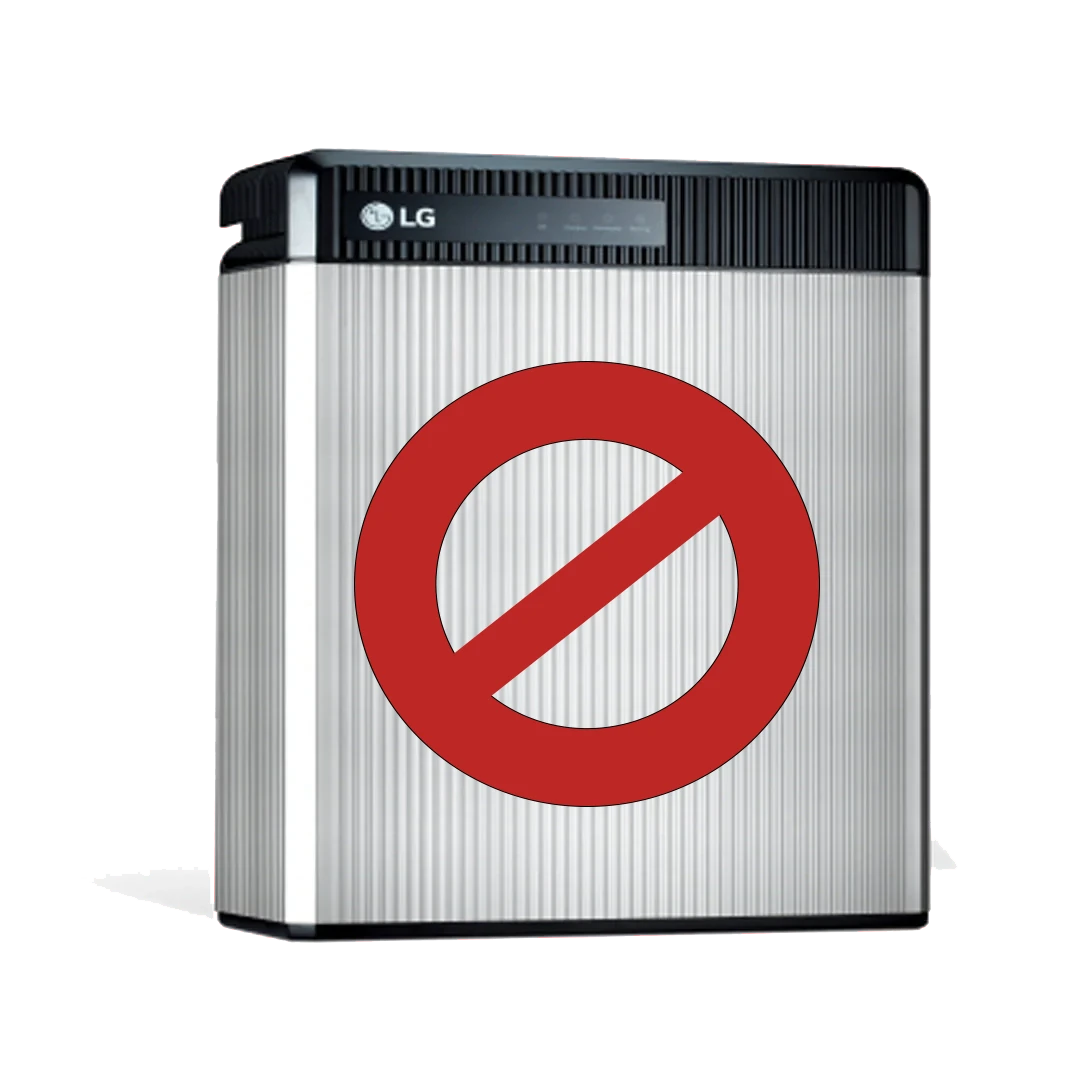
PSA Why Australians Should Think Twice Before Buying the LG RESU12 or RESU6.5 Battery

Public service announcement 25/01/2025

When it comes to choosing a battery for your home energy storage or off-grid system, safety and reliability are paramount. Unfortunately, the LG RESU12 or RESU6.5 battery raises some serious red flags that every Australian should be aware of. This blog post will delve into why we recommend avoiding this battery for residential or any other use, especially given its track record and potential risks.

We have decided to put out an urgent warning as we noticed a significant price drop on this product in January 2025.


The Problem with LG Batteries: A History of Fires

LG Chem, the manufacturer of the RESU12 battery, has faced significant scrutiny and recalls in recent years due to battery fires. High-profile incidents include:

  1. Global Recalls: LG Chem recalled tens of thousands of home batteries worldwide, including in Australia, due to fire risks. These recalls were driven by reports of overheating and fires caused by defects in their lithium-ion cells.
  2. House Fires: There have been multiple cases where LG batteries were linked to house fires, causing property damage and endangering lives. Some of these incidents occurred in Australia, prompting government intervention and safety warnings.
  3. Ongoing Risks: Even after the recalls, concerns remain about the safety and quality control of LG’s battery products, including the RESU series.
  4. The Risks of NMC (Nickel Manganese Cobalt) Chemistry
    The LG RESU12 or RESU6.5 uses NMC (Nickel Manganese Cobalt) lithium-ion chemistry. While this chemistry offers high energy density, it comes with significant safety trade-offs:
    Thermal Instability: NMC batteries are more prone to thermal runaway compared to safer alternatives like LiFePO₄ (Lithium Iron Phosphate). Thermal runaway can lead to catastrophic fires if the battery is damaged or improperly managed.
    Sensitivity to Heat: Australia’s climate, with its hot summers, poses a heightened risk for NMC batteries. High ambient temperatures can exacerbate the chances of overheating.
    Shorter Lifespan: NMC batteries generally have a lower cycle life than LiFePO₄ batteries, meaning they may need replacement sooner—adding to long-term costs.

    Better Alternatives: Why LiFePO₄ is Superior
    For Australians seeking reliable and safe energy storage solutions, LiFePO₄ (Lithium Iron Phosphate) batteries are a much better choice. Here’s why:
    Safety: LiFePO₄ batteries are inherently more stable and far less prone to thermal runaway, making them ideal for residential and off-grid applications.
    Longevity: With a typical cycle life of 4,000–8,000 cycles or more, LiFePO₄ batteries last much longer than NMC counterparts, reducing long-term costs.
    Performance in Heat: LiFePO₄ batteries perform better in high-temperature environments, making them well-suited for Australia’s climate.
    Popular brands like BYD, EVE, and Hithium offer high-quality LiFePO₄ batteries that are safer and more reliable than the LG RESU12.

    Regulatory Concerns in Australia
    In Australia, strict safety standards apply to home energy storage systems. Given the history of issues with LG batteries, many installers and retailers are reluctant to recommend or support them. Some insurers may even refuse coverage for systems using LG batteries, citing increased fire risks.

Additionally, the Australian Competition and Consumer Commission (ACCC) has been involved in monitoring LG battery recalls. If you’re considering the RESU12, it’s essential to check whether it falls under any ongoing recalls or warnings.


What You Should Do Instead

  1. Avoid NMC Batteries: Steer clear of batteries like the LG RESU12 that use NMC chemistry, especially for residential use.
  2. Choose LiFePO₄: Opt for a safer and more durable LiFePO₄ battery. Brands like EVE, BYD, and CALB are excellent alternatives.
  3. Work with Reputable Installers: Ensure your energy storage system is designed and installed by professionals who understand Australian safety standards and can recommend reliable products.
  4. Do Your Research: Look into the safety records and certifications of any battery you’re considering. Avoid any brand or model with a history of recalls or safety issues.

Conclusion: Don’t Risk It with the LG RESU12

While the LG RESU12 may seem like a tempting option due to its compact size and high energy density, the risks far outweigh the benefits. From its NMC chemistry to LG’s history of battery fires, this product is not worth the potential danger to your home and family. Australians deserve safe, reliable energy storage solutions, and there are far better options available on the market today.

Stay safe, do your research, and invest in a battery that you can trust.

News
Solar Battery Costs Australia

Key Factors Influencing Solar Battery Costs

  1. Battery Brand and Technology
    • Popular brands like Tesla, BYD, and Sungrow often come with premium pricing due to their established partners, along with good reliability and warranty periods.
    • Lithium iron phosphate (LiFePO4) batteries dominate the market for their longer lifespan and improved safety over traditional lithium-ion batteries.
    • LiFePo4 should be the only choice for your residential battery choice, its the safe Lithium Battery chemistry, and its also the lowest cost.
  2. Capacity and Scalability
    • Larger batteries (e.g., 15 kWh or more) naturally cost more but allow greater storage for homes with higher energy consumption.
    • We are finding that the average homes, especially with heating and cooling systems, require in the range of 15-45Kwh of storage especially if they want some form of grid outage protection.
    • Battery systems like Tesla’s Powerwall allow users to add capacity over time, however, they are more expensive upfront but flexible for future expansion.
  3. Warranty and Lifespan
    • Batteries with longer warranties (e.g., 10 years) and higher cycle life (8,000+ Full cycles) tend to be more expensive. Many batteries are misleading due to the way cycles are counted.
      Full cycles, vs half cycles, and this is important if you are financially savvy, and know when to find the value.
    • For example, the most trusted brand EVE’s 306AH 10000 cycle cells and less well known and a new entrant to LFP cell manufacturing Hithium’s 314Ah cells, which offer 11,000 cycles, are priced higher than almost all brand name battery cells.
    • LiFePro batteries use only A grade high cycle life, ultra long lifespan cells, we do this to provide you our valued customer, with a reliable and high value energy storage system. Doing this helps us stand out as the most professional product.
  4. We choose the best cells,
  5. We DON’T use the lowest cost products
  6. We DON’T move boxes like most modern day retailers who dont care about you
  7. We do solutions that are the cutting edge of the battery industry, we choose these cells for your benefit. Buy once, and dont be fooled by flashy exteriors and brand names.
  8. Government Incentives
    • Depending on the state, rebates or subsidies can significantly lower costs.
  9. Installation and Compatibility
    • Retrofitting a battery to an existing solar system can increase costs compared to installing it with a new solar setup.
    • Hybrid inverters may be required, adding another $2,000 to $5,000 to the total cost.
    • We currently recommend DEYE CEC approved, and Victron for both ongrid and off

Popular Solar Batteries in 2025

  1. Tesla Powerwall 3
    • Capacity: 13.5 kWh
    • Price: $12,000 – $13,500 (plus installation)
    • Key Features: Sleek design, built in inverter + 10-year warranty.
  2. BYD B-BOX PREMIUM 15.4kWh
    • Capacity: 15.4 kWh
    • Price: $10000 – $12999 (plus installation)
    • Key Features: Modular design, LiFePO4 chemistry, scalable.
  3. Sungrow SBR
    • Capacity: 9.6 kWh (expandable)
    • Price: $8,000 – $10,000 (plus installation)
    • Key Features: Affordable option, high efficiency, compatibility with Sungrow inverters.
  4. LiFePro EVE 15.66kWh
    • Capacity: 15.66 kWh
    • Price: $5,999 – $6,999 (plus generally cheaper installation)
    • Key Features: High cycle life, competitive pricing.
    • See more LiFePro 15.66Kwh

Are Solar Batteries Worth It in 2025?

Benefits

  • Energy Independence: Solar batteries store excess energy generated during the day for use at night or during blackouts.
  • Cost Savings: With electricity prices averaging $0.60 per kWh during peak hours, storing solar energy can significantly reduce bills.
  • Environmental Impact: Reduce reliance on fossil fuels and contribute to a sustainable future.

Challenges

  • Upfront Cost: The initial investment is high, though rebates can help.
  • Payback Period: The payback period typically ranges from 7 to 12 years, depending on usage and battery size.
  • Degradation: Batteries degrade over time, with capacity dropping by 10-20% after 10 years.
  • LiFePro 15.66Kwh payback time on peak rates ($0.60AUD)
    The payback period for the LiFePO4 15.66kWh battery, cycled daily to 90% capacity, could be as low as 2 years if the household uses 15kWh during peak times and the battery costs $5999 AUD.

State Incentives and Rebates

  1. Victoria Solar Battery Loan
    • Must install approved batteries with an eligible retailer. In most cases the price of the battery will be more than twice the cost of our LiFePro battery, meaning this is only worth doing if you have chosen a battery from the CEC list. Which is not a requirement, our LiFePro battery can be connected to the grid as long as its connected through a CEC inverter, and the installer holds appropriate battery qualifications.
  2. South Australia Home Battery Scheme (CLOSED)
    • Subsidy of $150 per kWh (up to $2,000), has been ended in 2024.
  3. New South Wales Empowering Homes Program (CURRENT)
    • Interest-free loans for solar and battery systems.
  4. The payback period for the LiFePO4 15.66kWh battery, cycled daily to 90% capacity, would be The payback period for the LiFePO4 15.66kWh battery, cycled daily to 90% capacity, would be approximately 1.94 years if the household uses 15kWh during peak times and the battery costs $5999 AUD.

Conclusion

Solar batteries are a worthwhile investment for many Australians in 2025, particularly for households with high energy consumption or frequent blackouts. While the upfront cost may seem prohibitive for brand name batteries, the LiFePro 15.66Kwh has an incredible payback period, which could be as little as 2 years.

The LiFePro battery could save you tens of thousands of dollars over its LiFespan, which we believe in some cases to be in excess of 10 years. With a performance and parts warranty of 5 Years. You can rest assured you are getting the best value for money available.

Our warranty is limited to 5 years, however the battery is a repairable design, this means should a cell or the BMS fail outside the warranty period, it would be quite simple for a trained or qualified person to make easy and quick repairs, most batteries are not repairable, so this is a huge positive you should factor into your decision. We know that sometimes a single cell inside the battery, can cause pack failure, and if a cell cost about $250-300, and you can repair this, you can extend the life of the battery well into the future.

The long-term benefits in energy savings and environmental impact make them an attractive option. By leveraging government incentives and choosing the right battery size and brand, homeowners can maximize the return on their investment.

Whether you’re upgrading your current solar system or starting fresh, understanding the costs, options, and incentives will help you make an informed decision. With the push towards renewable energy, solar batteries will continue to play a pivotal role in Australia’s energy landscape.

News
BP chooses Hithium in Queensland LiFePo4 Battery (640MWh BESS)

2024 and 2025 are seeing huge growth for LFP based BESS in Australia, LiFePo4 Australia can assist in the supply and procurement of Hithium, EVE, and CATL commercial solutions. We don’t just do residential, off-grid and small business, we can help SME and commercial companies make the right connections and supply anything from a cell, right up to MegaWatt hour container batteries. We have formed partnerships with many of the leading Lithium, LiFePo4 and Sodium battery manufacturing companies globally.

Now lets get to the news!

Lightsource BP, a global leader in renewable energy development, has partnered with Hithium, a prominent energy storage solutions provider, to supply a 640 MWh Battery Energy Storage System (BESS) for the Woolooga Solar Farm in Queensland, Australia.

Project Overview

The Woolooga Solar Farm, located in Queensland’s Lower Wonga region, comprises three sites totaling 214 MWp of generation capacity, sharing a 176 MWac grid export connection. The integration of a 222 MW/640 MWh BESS will enhance the farm’s ability to store and dispatch solar energy, thereby improving grid stability and reliability.

Hithium’s 5 MWh BESS Containers

This project marks the first deployment in Australia of Hithium’s 5 MWh containerized BESS solution. Each 20-foot container houses prismatic 314 Ah lithium iron phosphate (LFP) cells, offering a 25-year warranty. These double-length modules with an IP67 protection rating provide 40% more energy compared to previous generations, optimizing space and performance.

Partnerships and Operations

Hithium is collaborating with INTEC Energy Solutions to deliver full Engineering, Procurement, and Construction (EPC) services, along with 25 years of operation and maintenance for the Woolooga BESS Stage 1 project. This partnership aims to ensure the project’s long-term efficiency and reliability.

Hithium

Environmental Impact and Sustainability

In line with sustainability goals, Envirostream Australia, a subsidiary of Livium, has signed an exclusive agreement with Hithium to recycle the lithium-ion batteries supplied for this project. This initiative underscores a commitment to responsible resource management and environmental stewardship.

PV Magazine Australia

Significance for Australia’s Renewable Energy Sector

The Woolooga BESS project represents a significant advancement in Australia’s renewable energy landscape. By integrating substantial energy storage capacity with solar generation, it addresses the challenges of renewable energy variability, providing optimized grid management, load regulation, and ensuring continuity and stability of supply.

This collaboration between Lightsource bp and Hithium not only enhances renewable energy integration in Australia but also sets a precedent for future large-scale energy storage projects in the region.

News
Exciting News: EVE MB56 LF560K 628Ah and CATL 587Ah Cells Now Available for Pre-Order!

We’re thrilled to announce that the highly anticipated EVE MB56 LF560K 628Ah cells are now available to order! While these cells are not yet shipping, we expect stock to be sourced and available within the coming weeks.

In addition to the EVE MB56, we’ll also be offering the CATL 587Ah cells, a similarly high-capacity option for your energy storage needs.

Why Choose EVE MB56 LF560K?

The EVE MB56 LF560K cells are a standout choice for those looking for high-quality, high-capacity battery cells. Here’s why we’re prioritizing these cells:

  • Capacity: A massive 628Ah, perfect for large-scale energy storage systems.
  • A-Grade Quality: Supplied in Automotive Grade to ensure durability and top-tier performance.
  • Direct from the Manufacturer: We’re sourcing these cells directly from EVE, ensuring authenticity and competitive pricing.

About CATL 587Ah Cells

The CATL 587Ah cells also offer impressive capacity and are an excellent alternative. While they provide slightly less capacity than the EVE MB56, they remain a reliable option for high-demand applications.

Why Pre-Order?

By pre-ordering, you’ll secure your place in line for these cutting-edge cells as soon as they’re available. Both the EVE MB56 LF560K and CATL 587Ah cells represent the latest in energy storage technology, making them ideal for applications ranging from electric vehicles to large-scale battery energy storage systems (BESS).

If you’re ready to take advantage of these advanced cells, don’t wait—pre-order today to stay ahead of the curve!

For inquiries and pre-orders, contact us at [email protected] or call us on 07 4191 6815

Hardware Supply-Only Enquiry

Supply-only hardware enquiry

Use this path for batteries, inverters, LiFePO4 cells, kits, accessories or components. This form stays with supply-only hardware advice.

Your contact details

So we can get back to you about your enquiry.

News
Lifepo4 Float Voltage

Quick Facts About LiFePO4 Batteries and Lifepo4 Float Voltage

  1. Nominal Voltage per Cell: 3.2 V (often you’ll see 3.2–3.3 V).
  2. Full Charge Voltage per Cell: 3.65 V.
  3. Typical Float Voltage per Cell: 3.375V (LiFePO4 does not necessarily require a float, but if your charger/controller does have a float stage, these are typical values).
  • Recommended Charge per Cell: 3.55 V
  • Maximum Charge per Cell: 3.65 V
  • Float Voltage per Cell: 3.375 V
  • Low Voltage Cutoff per Cell: 2.8 V

These settings are our own recommendations, we base these figures on many years of community feedback and consultation with other professionals. We believe these will offer you the best balance of lifespan and usage.

lifepo4 SOC chart cell single

A basic SOC % to voltage chart for quick and easy reference

These numbers are affected by various factors such as who the manufacturer is, what temperature it is, the grade and age of the cell.
These are a reference for new LFP cells especially prismatic cells manufactured by companies similar to EVE Energy or CATL.

Use these 12v, 24v and 48v

sections below to check your battery and chargers are set with the most accurate general LFP settings

4S (12.8 V) LiFePO4 Battery
ParameterValueNotes
Nominal Voltage12.8 V (4 × 3.2 V)Standard “label” voltage for a 4S LFP pack.
Recommended Charge Voltage14.2 V (4 × 3.55 V)Preferred charging level to balance performance and longevity.
Maximum Charge Voltage14.6 V (4 × 3.65 V)Typically used briefly for topping off; not ideal for continuous charging.
Float Voltage13.5 V (4 × 3.375 V)If using a float stage, keep it at or below this voltage.
Low Voltage Cutoff11.2 V (4 × 2.8 V)Avoid discharging below 2.8 V per cell to prevent damage.
Resting Voltage (approx.)~13.2 VAbout 3.3 V/cell when neither charging nor under significant load.
12v 300ah battery box
280Ah, 300Ah, 304Ah 314Ah

8S (25.6 V) LiFePO4 Battery
ParameterValueNotes
Nominal Voltage25.6 V (8 × 3.2 V)Standard “label” voltage for an 8S LFP pack.
Recommended Charge Voltage28.4 V (8 × 3.55 V)Preferred charging level to balance performance and longevity.
Maximum Charge Voltage29.2 V (8 × 3.65 V)Typically used briefly for topping off; not ideal for continuous charging.
Float Voltage27.0 V (8 × 3.375 V)If using a float stage, keep it at or below this voltage.
Low Voltage Cutoff22.4 V (8 × 2.8 V)Avoid discharging below 2.8 V per cell to prevent damage.
Resting Voltage (approx.)~26.4 VAbout 3.3 V/cell when neither charging nor under significant load.
battery box
8s_25.6V_280ah-314ah-304ah
16S (51.2 V) LiFePO4 Battery
ParameterValueNotes
Nominal Voltage51.2 V (16 × 3.2 V)Common “label” voltage for a 16S LFP pack.
Recommended Charge Voltage56.8 V (16 × 3.55 V)Preferred charging level to balance performance and longevity.
Maximum Charge Voltage58.4 V (16 × 3.65 V)Typically used briefly for topping off; not ideal for continuous charging.
Float Voltage54.0 V (16 × 3.375 V)If using a float stage, keep it at or below this voltage.
Low Voltage Cutoff44.8 V (16 × 2.8 V)Avoid discharging below 2.8 V per cell to prevent damage.
Resting Voltage (approx.)~52.8 VAround 3.3 V/cell when neither charging nor under significant load.


Tips for Using These Charts

Use the Recommended Charge Voltage (3.55 V/cell) for routine charging.

  1. Only reach Maximum Charge Voltage (3.65 V/cell) briefly if the BMS or charger calls for a top-off.
  2. Float Voltage (3.375 V/cell) is optional; many LiFePO4 systems don’t float in the same manner as lead-acid.
  3. Low Voltage Cutoff (2.8 V/cell) is the absolute minimum. Staying above it ensures longer battery life.
  4. Check Manufacturer Specs if they differ from these standard guidelines.
State of Charge (SoC) vs. Voltage (Rest & Load)

The next table provides approximate voltages for different States of Charge (SoC) at 25 °C. Each SoC row shows the “Volt per cell” under two conditions:

  • rest: The battery resting or lightly loaded.
  • load: The battery under typical discharge load.
SoC (25 °C temp)Rest Voltage0.33C Load Voltage
100.00%3.503.40
99.00%3.453.35
90.00%3.353.32
70.00%3.303.30
40.00%3.303.27
30.00%3.253.24
20.00%3.223.21
17.00%3.203.15
14.00%3.153.12
9.00%3.103.00
0.00%2.602.50

Those per-cell values then scale to 12 V (4S), 24 V (8S), and 48 V (16S) packs, again shown as “rest” and “load” columns.

.This Table is a combined table of single cell voltages, and then the common 4S, 8S and 16S configurations

SoCCell Rest (V)Cell Load (V)4S Rest (V)4S Load (V)8S Rest (V)8S Load (V)16S Rest (V)16S Load (V)
100.0%3.503.4014.0013.6028.0027.2056.0054.40
99.0%3.453.3513.8013.4027.6026.8055.2053.60
90.0%3.353.3213.4013.2826.8026.5653.6053.12
70.0%3.303.3013.2013.2026.4026.4052.8052.80
40.0%3.303.2713.2013.0826.4026.1652.8052.32
30.0%3.253.2413.0012.9626.0025.9252.0051.84
20.0%3.223.2112.8812.8425.7625.6851.5251.36
17.0%3.203.1512.8012.6025.6025.2051.2050.40
14.0%3.153.1212.6012.4825.2024.9650.4049.92
9.0%3.103.0012.4012.0024.8024.0049.6048.00
0.0%2.602.5010.4010.0020.8020.0041.6040.00

Note: Actual voltages can vary slightly with temperature, battery condition, and specific manufacturer chemistry.

Storage Guidelines:

Store batteries (longer than 1 month) indoors in a dry, clean environment between 0 °C and 35 °C (32 °F–95 °F).
Avoid contact with corrosive substances, fire, or direct heat sources.
Charge and discharge the battery every 6 months if in long-term storage.

Recommended storage SoC is 30–50%.

Operating Temperature Ranges:
Discharge: –10 °C (min) to +50 °C (max)
Charge: +2 °C (min) to +50 °C (max)

Manufacturer Specs: Always refer to the specific datasheet for exact values.

All of these values are guidelines only, the relationship to temperature and current draw, will affect cycle life.


X