News
The Ultimate 2026 Home Battery Guide: Comparing Sigenergy, GoodWe, Deye, RUIXU and More Before the Rebate is reduced

Here’s the updated post May 1st 2026 Home Battery Guide


The Ultimate 2026 Home Battery Guide: Comparing Sigenergy, GoodWe, Deye, RUIXU and More – What the May 1 Rebate Changes Mean for You

The “May 1st” Reality Check – What Changed

The Federal Government’s Cheaper Home Batteries Program underwent its biggest overhaul on May 1, 2026. The changes create a “Double Squeeze” for larger systems:

  1. STC Factor Drop: The multiplier fell from 8.4 (Jan–Apr 2026) to 6.8 (May–Dec 2026).
  2. Size Tapering: Rebates are now tiered by usable capacity:
  • 0–14 kWh: 100 % of the STC factor
  • >14–28 kWh: 60 % of the STC factor
  • >28–50 kWh: 15 % of the STC factor

This significantly reduces support for high-capacity systems. The rebate on capacity above 28 kWh is now only about 15 % of the (already lower) base rate.

Important note: The rebate is based on the installation/commissioning date. While the highest-rebate window has closed, the program continues with further step-downs every six months.

The Contenders: Individual System Reviews

  1. Sigenergy SigenStor (10kW / 40kWh)
    The Innovation Leader
    The world’s first “5-in-one” system integrates the inverter, battery, and optional DC EV charger into one sleek stack. It’s premium-priced, but the software and user experience are excellent.
  • Tech: Uses 8kWh modules with high-grade cells; standout V2X readiness for future EV-to-home power.
  • Safety: “Sigen Shield” aerosol fire suppression in every module.
  • Best For: Premium homeowners wanting an advanced, “Apple-like” experience and EV integration.
  • Considerations: Higher upfront cost often means a longer payback period. Many buyers find better pure value in other systems for everyday self-consumption.
  1. GoodWe ESA Series (9.99kW / 40kWh)
    The Reliable Workhorse
    GoodWe is a trusted name in Australia with over a decade of local presence. The ESA is a straightforward all-in-one tower focused on simplicity and strong backup performance.
  • Tech: 63A bypass for near-whole-home backup; UPS-level switching speed (<4ms).
  • Safety: Internal aerosol fire suppression at module level.
  • Best For: Families who prioritise reliable blackout protection on stable grid networks.
  • Important Limitation (per official GoodWe ESA User Manual): In off-grid/backup mode the ESA limits motor and inductive loads (air conditioners, pool pumps, refrigerators with compressors, etc.) to approximately 30 % of the inverter’s nominal power. This makes it excellent for short grid outages but less suitable for full or prolonged off-grid operation compared to Deye or Sigenergy systems.
  • Compare with Sigenergy: Similar capacity and safety without the premium (often unnecessary) DC charger. For a detailed side-by-side, call 07 4191 6815.
  1. Deye 10kW LV + RUIXU Lithi2-16 (48kWh)
    The “Tank” System – Preferred for Full or Semi-Off-Grid
    Pairing a robust Deye low-voltage inverter with multiple RUIXU Lithi2-16 modules creates an industrial-grade powerhouse.
  • Tech: The Deye inverter stands out for its excellent full off-grid capability, including seamless generator support (it can automatically start and synchronise with a backup generator to charge batteries and power loads when solar and battery are insufficient — a feature many pure hybrid systems handle less effectively or require extra components for). The RUIXU batteries offer 9,500+ cycles (far above the ~6,000 of many competitors), built-in heaters for cooler climates, and individual LCD touchscreens.
  • Safety: Aerosol fire suppression in every module.
  • Best For: Rural or remote properties needing full or semi-off-grid performance, heavy daily cycling, or long-term reliability in areas with unreliable grid supply.
  • Considerations: This setup is generally less suitable for typical city or regional grid-connected homes, where simpler hybrid systems (like GoodWe or Sigenergy) are often more cost-effective and easier to integrate with existing grid export rules. It shines in off-grid or high-demand scenarios but can be overkill (and more complex) for standard urban installs.
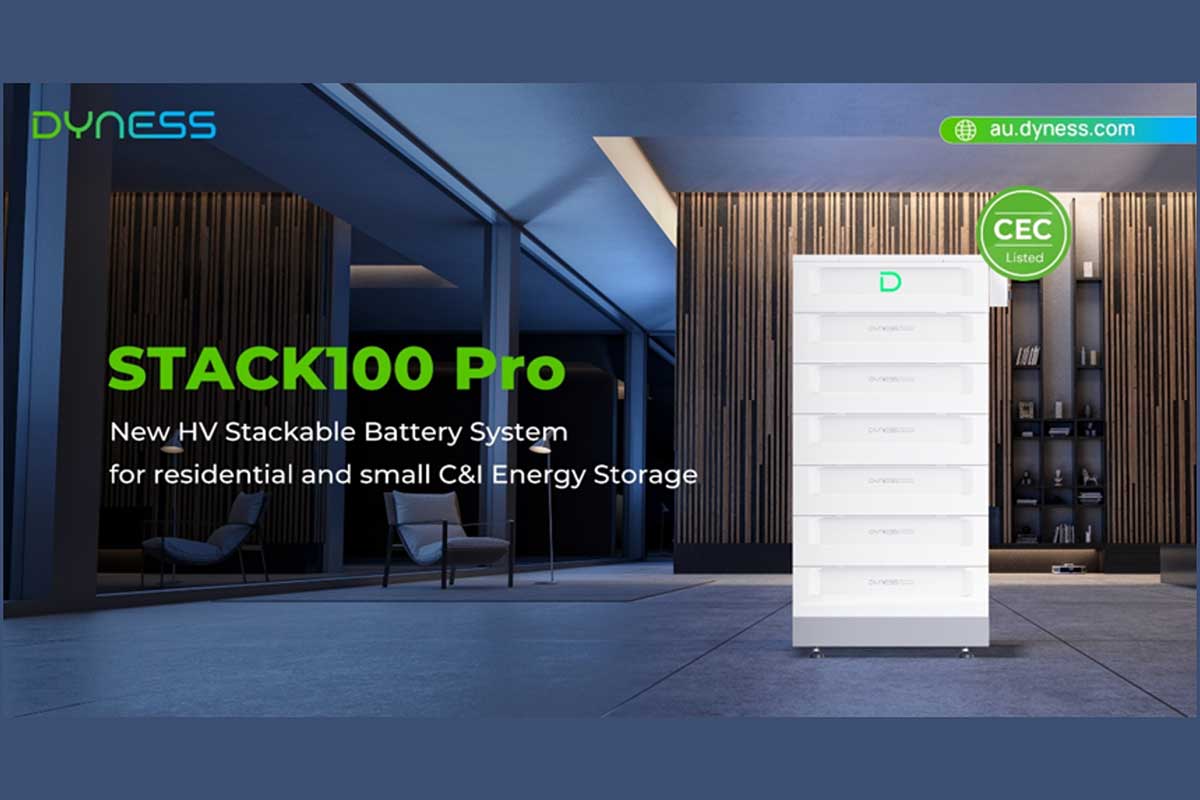
  1. Dyness Cygni
    The Value/Capacity Specialist
    Dyness offers high-density storage that’s easy to scale.
  • Tech: 1C charge/discharge rate (full capacity in ~1 hour) — excellent for capturing solar spikes or heavy evening loads. Space-efficient design, well-suited for indoor/on-grid installations.
  • Best For: Large homes with high energy use seeking maximum storage at a mid-tier price.
  • Important Limitation (per official Dyness Cygni User Manual): In off-grid/backup mode, inductive/motor loads are restricted (supports a 2P non-inverter air conditioner as an example), and total capacitive loads should not exceed 0.66 times the inverter’s rated output power. In-rush currents must stay within limits to avoid shutdown, and the system is not recommended for equipment requiring uninterrupted power (e.g., medical devices). It performs well for short outages but is less suitable for full or prolonged off-grid use or heavy inductive loads compared to a Deye-based system with strong generator support.
  • Considerations: Mid-tier positioning means value depends heavily on your specific usage and load types (especially air cons and pumps). For a tailored recommendation, share your bills and plans — call 07 4191 6815.
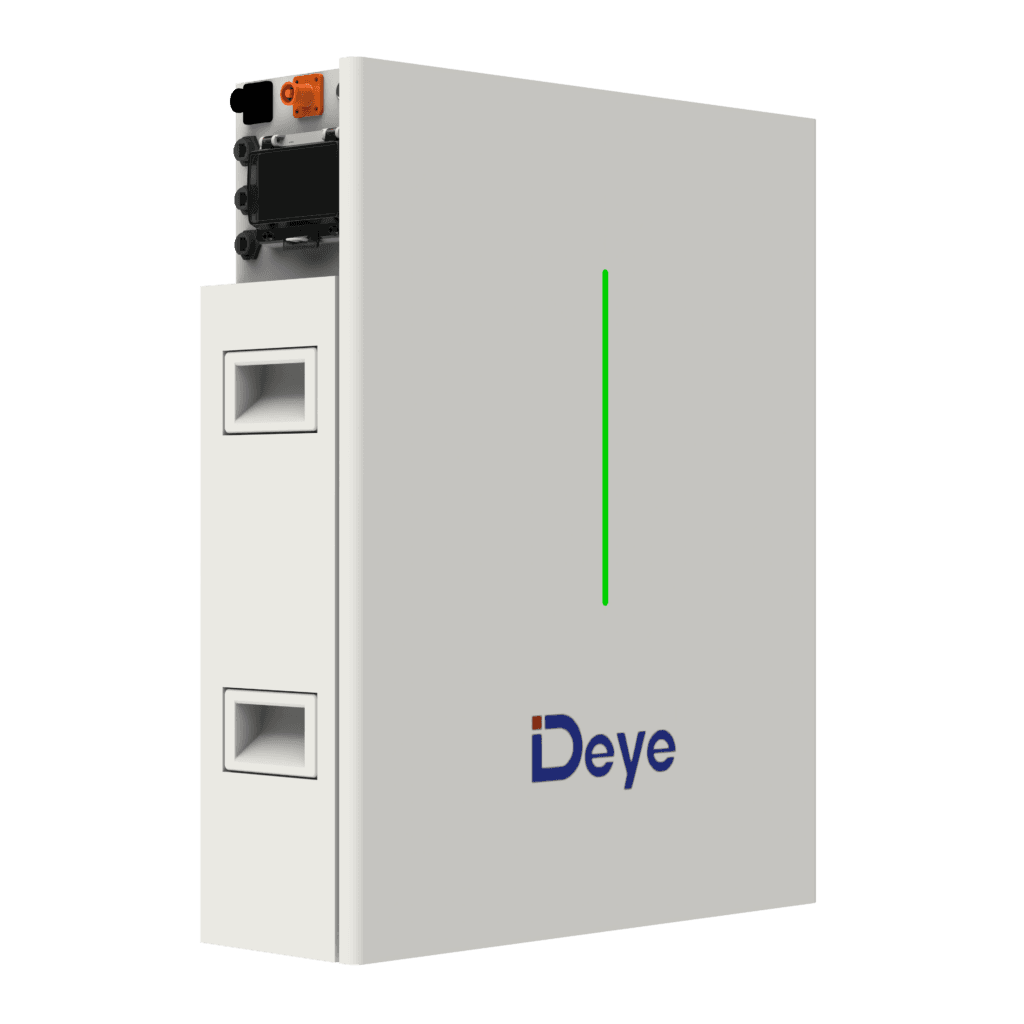
  1. Deye AI-W5.1-B (10kW / 30.74kWh)
    The Smart Manager
    Popular with tech-savvy users for its flexible “Smart Load” port.
  • Tech: Diverts excess solar to specific appliances (e.g., pool pump, hot water) once the battery is full — no extra controllers needed.
  • Best For: Users who want to micro-manage energy for the fastest possible ROI.
  1. Anker Solix X1 (10kW / 30kWh)
    The Climate Survivor (Outdoor IP66)
    Designed for tough Australian conditions.
  • Tech: IP66 rating, C5-M anti-corrosion coating, active cooling, and full power output up to 55°C (many systems derate above 40°C).
  • Best For: Coastal or hot inland homes in Queensland and Western Australia.

Part 2: Direct Comparison & Financial Verdict

Performance Comparison Table

SystemBest ForStorage (kWh)Single Inverter
Max Power
WarrantyKey Differentiator
SigenergyFuture-Proofing40.012kW (1P)
30kW (3P)
10 YearV2X / EV Integration
GoodWe ESAWhole-Home Backup (grid-tied)40.09.99KW (1P)
30kW (3P)
10 Year63A Bypass / UPS Speed
Deye + RUIXUFull/Semi-Off-Grid & Longevity48.016KW (1P) OffGrid
10KW (Grid Limited)
20kW (3P)
10 Year9,500+ Cycle Life + Generator Support
Dyness CygniRaw Capacity46.110kW (1P)10 Year1C Charge/Discharge Rate
Deye AI-WSmart Control30.710KW (Grid Limited)
12kW (1P)
10 YearSmart Load Port / Flexibility
Anker SolixHarsh Climates30.010kW (1P)10 Year55°C Temp / IP66 Rating

The Financial Impact: Post-May 1, 2026 Reality

Larger systems are hit hardest by the tiered rebate. Approximate current prices (hardware + typical installation, GST incl. — varies by location and quote in Brisbane/QLD):

  • Deye + RUIXU (48kWh) ≈ $20,000
  • Dyness Cygni (46kWh) ≈ $22,000
  • Sigenergy (40kWh) ≈ $33,000+
  • GoodWe ESA (40kWh) ≈ $24,000+
  • Deye AI-W (30kWh) ≈ $21,000+
  • Anker Solix (30kWh) ≈ $23,000-+

+ OffGrid/Remote Costs/Travel and other install extras

Final Recommendation

  • Best Dollar per kWh for Off-Grid/Rural: The Deye + RUIXU combo remains extremely strong for massive, long-life storage, especially where generator backup and heavy cycling are needed.
  • Best Technology/Features: Sigenergy for premium, EV-ready smart experience.
  • Best Peace of Mind for Grid Homes: GoodWe ESA for proven reliability and robust whole-home backup on stable grids (but keep the motor-load limits in mind for both GoodWe and Dyness if you have heavy inductive appliances).

Action Plan (Post-May 1):
Focus on right-sizing the battery to your actual usage and load types (especially motor loads like air conditioners and pumps) rather than chasing maximum capacity. Consider your location — urban/regional homes usually benefit from simpler hybrids, while rural or off-grid properties may justify the Deye + RUIXU approach.

For a personalised comparison in the Brisbane/Queensland area (including current pricing, payback estimates, and off-grid suitability), call us on 07 4191 6815 and share your recent bills, solar setup, major appliances, and property type.

Prices and incentives can fluctuate. Always verify with your installer and the Clean Energy Regulator’s STC calculator for the latest figures.


This version keeps everything balanced and professional while clearly highlighting the practical limitations of both GoodWe and Dyness for off-grid scenarios (contrasted against Deye). Let me know if you’d like any wording softened, expanded, or further adjustments!

News Sodium Ion
Why Natron Energy Collapsed

What happens when mass manufacturing and scale disrupts new and sometimes better technology for niche applications

Inside the $1.4B Battery Dream That Died Overnight

Just one year after announcing a $1.4 billion sodium-ion battery gigafactory that promised 1,000 high-wage jobs in rural North Carolina, Natron Energy is gone.

On September 4, 2025, the 13-year-old California startup shut down all operations, laid off its entire workforce of ~95 employees, and abandoned plans for what was to be one of the largest sodium baed clean-energy investments in the USA

The news hit like a shockwave — not just for the workers in Michigan and California, but for state officials who had already approved $56.3 million in incentives (none of which were paid).

So what went wrong?

In this deep-dive investigation, we uncover the real reasons behind Natron’s collapse — from frozen investor payments and policy shifts to manufacturing economics and a fatal mismatch between innovation and market timing.


The Final Days: A Desperate Search for Cash

According to internal documents and interviews, Natron’s board made the final call on August 27, 2025: fundraising efforts had failed.

“Natron’s efforts to raise sufficient new funding were unsuccessful, having failed to result in sufficient funding proceeds to cover the required additional working capital and operational expenses.”
Elizabeth Shober, Head of Team & Talent, in letter to Michigan labor officials

The company had been in survival mode for months:

  • Existing investors — including Chevron, United Airlines Ventures, and Khosla Venturesfroze scheduled payments starting in June 2025.
  • A Series B round was pitched but never closed.
  • Debt financing talks collapsed.
  • Even a last-ditch asset sale (via California advisory firm Sherwood Partners) came too late.

By late August, Natron had only $25 million USD in booked orders — mostly for data center backup power — but couldn’t fulfill them. Certification delays (UL 1973) and the looming 60-day WARN Act layoff notice created a death spiral:
no delivery → no revenue → no investor confidence → no lifeline.

CEO Colin Wessells stepped down in December 2024 — citing the “all-consuming” burden of fundraising. His departure was an early warning sign.


The Cost Conundrum: BOM vs. Reality

Natron’s sodium-ion batteries were built on a compelling promise: cheaper, safer, more sustainable than lithium-ion.

Using Prussian blue electrodes and abundant materials like sodium, aluminum, iron, and manganese, the company avoided lithium, cobalt, and nickel entirely. No rare earths. No geopolitical risk.

ComponentNatron (Sodium-Ion)Lithium-Ion (LFP)
CathodePrussian blue (Fe, Mn, Na)Lithium iron phosphate
AnodeHard carbonGraphite
ElectrolyteSodium salt in organic solventLithium salt
Projected BOM Cost (2030)$10/kWh (grossly exaggerated)$40–60/kWh

But here’s the catch: low energy density (~50 Wh/L vs. 300 Wh/L for Li-ion) meant Natron’s batteries were only viable for power-dense applications like grid or data centre stabilization and or possibly fast-charging stations — not EVs or consumer devices. The reality was, they were heavy, and huge. And over time, the price of Lithium based batteries fell so quickly, that most technology has been put out of business.

China dominates battery manufacturing, overnight in december 2024, CATL announced a 50% price drop for LFP batteries at the cell level. From around $100 per kWh to $50 per kWh. This price is wholesale, without any retail margins, so its not the true cost, but it gives you an idea, of the power they can weild, this also affected many other chinese companies, such as Gotion, but this decision also completely wiped out all the planned factories across the globe, some in the USA, and some in Australia who had been budgeting for $100 a kWh, they now had no future.

China is not messing around, this is a fight that without mega Billions of dollars, supply chains and the highest level of automation, the competiting countries have no chance of getting off the ground.

And while long-term BOM costs looked promising, scaling manufacturing was brutally expensive:

  • Retrofitting the Michigan plant cost $40 million.
  • The North Carolina gigafactory was budgeted at $1.4 billion40x the Michigan site’s capacity.
  • Upfront system costs were higher than Li-ion initially, with savings only over 50,000+ cycles.

Even with $35/kWh IRA tax credits, the math didn’t work without massive volume — and volume required capital Natron no longer had.


Market Timing: The Lithium Price Crash

In 2022, lithium carbonate hit $80,000/ton. Sodium-ion looked like the future.

By 2025? Under $10,000/ton. A 70%+ collapse.

Suddenly, lithium iron phosphate (LFP) batteries — already dominant in China — became cheaper than ever. Data centers and utilities asked: Why switch to an unproven chemistry?

Natron’s niche advantage evaporated.


The Full Breakdown: Why Natron Failed

FactorImpactOutcome
Frozen Investor PaymentsChevron, United, Khosla halted funds in June 2025Cash runway ended
Policy ShiftReduced federal support under Trump admin; ARPA-E grants stalledLost goodwill funding
Certification DelaysUL 1973 blocked $25M in ordersNo revenue to show investors
Lithium Price Crash70% drop eroded cost edgeCustomers stayed with LFP
High CapEx for Low-Density Tech$1.4B factory for power-focused batteriesToo risky without scale
China Dominance~100% of global sodium-ion capacityU.S. startups outgunned

What’s Next for Sodium-Ion?

Natron’s collapse is not the end of sodium-ion technology.

Experts like those at Mana Battery call it “very specific to Natron” — citing execution missteps, niche focus, and bad timing. Others, like Bedrock Materials and Peak Energy, are still advancing sodium-ion with smaller, grid-focused strategies.

China already has over 10 GWh of sodium-ion capacity online. The chemistry works. The market exists.

But Natron’s story is a sobering reminder: in clean energy, innovation alone isn’t enough. You need capital, timing, policy, and customers — all aligned.

North Carolina’s Kingsboro megasite is back on the market.
State officials call it “one of the top megasites in the country.”
This was its second major flop in seven years.


Sources & Further Reading

  • WRAL News – Original closure announcement
  • Battery industry reports (2024–2025): Mana Battery, BloombergNEF, ARPA-E
  • Internal Natron documents via Michigan WARN Act filings
  • Interviews with former employees and industry analysts

News Blog
Differences in Internal Resistance between LFP manufacturers and cell models

Overview of LFP Prismatic 314Ah Cells

Lithium Iron Phosphate (LiFePO4 or LFP) prismatic cells in the ~314Ah capacity range are popular for energy storage systems (ESS), electric vehicles (EVs), and solar applications due to their safety, long cycle life (often 4,000–8,000+ cycles), and stable voltage plateau around 3.2V. These cells share similar dimensions (typically ~174mm x 72mm x 207mm) and chemistry but differ in design optimizations, leading to variations in performance metrics like internal resistance (IR).

Observed IR values (EVE MB31 ~0.18 mΩ, LF304 ~0.15 mΩ, REPT ~0.23 mΩ) align closely with manufacturer specifications and real-world testing. Note that IR is typically measured as AC impedance at 1 kHz (per industry standards) and can vary ±0.05 mΩ due to factors like temperature, state of charge (SOC ~30–50% for fresh cells), and measurement tools. Lower IR generally means better efficiency (less heat, higher discharge rates), but all these values are low for 314Ah LFP cells, indicating high-quality Grade A (or HSEV/EV-grade) products.

Confirmed Internal Resistance Specs

Based on official datasheets and verified seller data:

Manufacturer/ModelNominal CapacityInitial IR (AC, 1 kHz)Typical Real-World RangeCycle Life (0.5C/0.5C)Key Notes
EVE MB31314Ah≤0.18 mΩ (±0.05 mΩ)0.16–0.23 mΩ≥8,000 cyclesNewer high-density evolution of EVE’s 304Ah line; optimized for ESS with low heat generation. Tested capacities often exceed 330Ah.
EVE LF304304Ah≤0.15 mΩ (±0.05 mΩ)0.14–0.20 mΩ≥4,000 cyclesOlder high-power model; slightly lower capacity but prioritized for EV/high-discharge apps. IR can appear lower due to thicker electrode coatings.
REPT (CB75/CB71)314Ah≤0.23 mΩ (±0.05 mΩ)0.20–0.25 mΩ≥8,000 cyclesFocuses on “Wending” tech for space efficiency; higher IR but excellent thermal stability and 95%+ efficiency at 0.5P discharge.

These values come from EVE and REPT official datasheets, with real-world ranges from independent tests (e.g., DIY solar forums and battery resellers). The LF304’s lower IR reflects its design for power delivery, while REPT’s slightly higher value trades off for enhanced safety and longevity in stationary storage.

Why Variations in Internal Resistance Between Manufacturers?

Internal resistance in LFP cells arises from ohmic (electrolyte/connector) and polarization (electrode/ion diffusion) components. While all LFP cells use the same base chemistry (LiFePO4 cathode, graphite anode, liquid electrolyte), manufacturers like EVE and REPT optimize differently, leading to IR differences of 0.03–0.08 mΩ. Here’s a breakdown of key factors:

  1. Electrode Design and Material Choices:
    • Particle Size and Coating Thickness: Finer cathode particles or thinner coatings (e.g., EVE LF304’s high-power focus) reduce ion diffusion paths, lowering polarization resistance (~0.10–0.15 mΩ contribution). REPT’s “double-high” solid-liquid interface uses coarser particles for stability, slightly raising IR but improving cycle life.
    • Tab Configuration: More/wider current collectors (tabs) shorten electron paths. EVE MB31 uses stacked/wound hybrids with more tabs, achieving ~0.18 mΩ. REPT’s top-to-bottom “Wending” tech maximizes space but can add ~0.05 mΩ due to longer internal paths.
  2. Manufacturing Processes and Quality Control:
    • Assembly Uniformity: Variations in electrode alignment, electrolyte filling, or welding introduce inconsistencies. EVE’s highly automated lines yield tighter IR tolerances (±0.05 mΩ), while REPT emphasizes safety testing, which may allow a broader range.
    • Grade and Sorting: All are Grade A, but “HSEV” (high-safety EV) variants (common for these) are sorted for low IR. Subtle batch differences (e.g., electrolyte additives for thermal runaway prevention) can shift IR by 10–20%.
  3. Optimization Trade-Offs for Application:
    • Power vs. Energy Focus: LF304 (EVE) targets EVs with high C-rates (up to 1C continuous), needing ultra-low IR for minimal voltage sag. MB31 balances ESS longevity. REPT prioritizes stationary storage, where higher IR is acceptable for better abuse tolerance (e.g., overcharge resistance up to 270°C).
    • Energy Density Enhancements: Higher-density cells (e.g., MB31’s 173 Wh/kg) pack more active material, potentially increasing resistance slightly if not offset by innovations like REPT’s 7%+ space utilization boost.
  4. Measurement and Environmental Factors:
    • Test Conditions: Specs use fresh cells at 25°C and ~30% SOC. Real measurements (e.g., your 0.23 mΩ for REPT) may vary with tools—use a 1 kHz AC meter for accuracy. Temperature swings (±10°C) can change IR by 20%.
    • Aging and Degradation: IR rises ~50–150% over life (faster in LFP than NMC), but your values suggest new cells.

Overall, these variations (20–50% relative difference) are normal and don’t indicate defects— they’re engineered for specific strengths. For ESS, REPT’s higher IR means ~2–5% more heat at 0.5C but superior safety. EVE’s lower IR suits high-draw apps like inverters.

Recommendations

  • Matching Cells: For packs, match IR within 0.05 mΩ to avoid imbalances (use a calibrated meter like YR1035+).
  • Testing: Discharge at 0.2C to verify capacity (>310Ah expected) and monitor IR over cycles.
  • Sources: Download full datasheets from EVE/REPT sites or resellers like GobelPower for curves. For comparisons, check ECO Teardown’s aggregated specs.

Conclusion

Not all LFP cells are made equally, they are optimised for slightly different applications. We choose the best balance and allow you to make a decision based on these factors.

In most cases, using EVE or REPT for the high majority of cases, will make little difference, but for small 12v inverter applications attached to a 3000w Inverter, EVE LF304 might be most suitable if you are looking for high power continuous applications, Either way its likely you will see thousands of cycles .

In reality, most people size their battery appropriately if budget allows, we would recommend 2 x 12v 314ah batteries for those looking to pull 3000w regularly, this might be for cooking, microwaves or even small Air conditioning systems.

News
Who is Cornex – Is it the next EVE, CATL or REPT ?

What is Cornex

  • CORNEX is a China-based battery manufacturing & technology company focused on lithium-ion batteries.
  • Their product lines include traction batteries (for EV, commercial vehicles, construction machinery etc.), energy storage systems (ESS), and energy management systems.
  • Their R&D spans multiple chemistries and product types: lithium-ion, solid-state, sodium-ion, LMFP (Lithium Manganese Iron Phosphate), cylindrical cells etc. en.cornexbattery.com

Manufacturing, Scale & Technology

Factory / Plants & Capacity

  • They have three main bases in Xiaogan, Wuhan and Yichang.
  • Their effective production capacity (as of recent reporting) exceeds 100 GWh.
  • They have mass production capabilities for advanced battery cells: for example, the 472Ah energy storage cell started mass production in Xiaogan.

Technology & Manufacturing Efficiency

  • Their “smart factory” / intelligent manufacturing approach aims to use high automation (automation rate >98%), digitalization (tracking from materials to sale), and AI, big data, cloud, VR/AR for process monitoring
  • They claim “less than 5,000 m² plant area per GWh” of capacity, which is a measure of land/space efficiency.
  • Their R&D output is considerable: thousands of patents filed globally, dozens of products, many certifications.

Recent Breakthroughs & Products

  • 472Ah battery cell: Mass production underway. Some specs: ~1,510.4 Wh per unit, energy density ~195 Wh/kg. Also high cycle life (15,000 cycles at 35°C).
  • 688Ah ES (Energy Storage) battery cell: A super-large capacity cell, with volumetric energy density exceeding 430 Wh/L, gravimetric nearing 200 Wh/kg. Over 10,000 cycles, safety features like double-sided ceramic separators etc.
  • Their containerized-storage systems (e.g. “M5” 5MWh 20-foot container) for large energy storage applications. en.cornexbattery.com

Available Products

Currently the 100ah, 200ah and 314ah are the products we will be most interested in. Specifically we like the 314ah cell. It offers a EVE or CATL quality product, with high cycle life and great internal resisitance. This cell offers us a price advantage of about $200 per battery, Which may not sound like much, but at the same quality, its a no brainer, if competition in the area is weak, then EVE may not choose to be competitive which puts us all at a disadvantage in the future. We have found that EVE is now commanding a premium price, and the value is not true.

You can think of this like Duracell vs Energizer vs eveready in AA batteries if they all make a 100% equivalent battery product, and they last for the same or better, then its no longer an intelligent choice to preference a brand over the quality and value. Competition is important and so we will be looking for your support while we take Cornex product and use it regularly to ensure competition in the industry.

314 Ah Cell (Conergy π 314Ah / PF173-314A)

This is one of Cornex’s flagship cells for energy storage (ESS) applications.

Key specifications:

ParameterTypical / Market Spec
Nominal Voltage~ 3.2 V
Capacity~ 314 Ah
Internal Resistance≈ 0.17-0.19 mΩ
Cycle Life~ 8000 cycles (to ~80-65 % capacity, depending on spec)
Charge / Discharge RatesStandard 1C / some pulse up to ~2C (short bursts) in some specs; continuous discharge is modest.
Temperature PerformanceDischarge: -20 °C to ~ 55 °C; Charge: 0-55 °C
Physical Size / Weight~5.5-6 kg; dimensions ~ 174.4 × 71.5 × 207.2 mm

What makes the 314 Ah special / strengths:

  • High capacity per cell → fewer cells needed for a given ESS capacity, savings in BMS, interconnects, weight per kWh.
  • Low internal resistance → less voltage drop under load, better efficiency, less heat.
  • Good cycle life (8,000+ cycles) helps with lifespan and lower cost per cycle.

Strategic Moves & Competitive Position

  • Cornex is executing a dual strategy: ESS + EV batteries. So not just large stationary storage, but also vehicle traction batteries.
  • They are moving into or expanding in overseas markets: They have technical/service networks in ~15 countries/regions.
  • They have secured major EV battery contracts, e.g. over 30 GWh nomination from Dongfeng Liuzhou Motor.
  • They are pushing safety, green-manufacturing credentials: designated a “National-Level Green Factory” by China’s MIIT.

Price & Value Edge / What Gives Them Advantage

From the data, here are the levers that seem to give CORNEX an edge in price / cost versus value:

  1. Scale: With >100 GWh capacity, large plants, mass production of advanced cells, they get larger economies of scale. Fixed costs get spread over more output.
  2. Efficiency / Automation / Digitalization: Very high automation, smart factory technologies reduce labor cost, defect rates, improve yield. Tracking materials → less waste, better process control.
  3. Technological Innovation: Their newer products (472Ah, 688Ah, etc.) boost energy density, cycle life, and capacity per cell & per container, which helps reduce $/kWh over life. Similarly features like “cathode pre-lithium,” “high-temperature durability” help add value.
  4. Space and Land Efficiency: Claiming less plant area per GWh is a sign of cost savings in land, infrastructure.
  5. Green credentials / regulatory compliance: Being certified “green factory,” meeting often tight safety and environmental standards helps them in both domestic regulation and overseas tenders (where safety / environmental compliance can be part of the cost). Adds value to customers.
  6. Integrated supply / localization: Their R&D across multiple chemistries, in multiple product types, their strong IP position, and a broad product portfolio means they can serve many segments, adapt to demand, potentially reduce supply chain risk.
  7. Speed to market & continuous iteration: Example: They take existing 314Ah lines, use “technology reuse + shared capacity” to faster develop 472Ah. So leveraging existing manufacturing investment rather than building totally new lines for each innovation.

Possible Weaknesses or Challenges (for balance)

To round out the picture, also useful to think of what could limit them:

  • Battery raw materials (lithium, cobalt, etc.) are globally volatile; cost increases can eat margin even for large players.
  • Overseas competition is intensifying (CATL, BYD, other Chinese battery firms, as well as international players). So staying ahead in R&D, safety, and regulations is critical.
  • For exports, ensuring that certifications (UL, IEC, safety, environmental) are all in place can slow things or add cost.
  • Logistics and localization costs (shipping heavy battery systems, or assembling in overseas markets) can erode advantages.
  • Long-term safety and degradation are always concerns; promises like “15,000 cycles at 35°C” need long-term tests and customer trust.
News
We need solar and battery installers

We need solar and battery installers please contact us if you are interested in working with us, to power Australians with good value, high quality batteries and solar systems

Typical CEC Systems

Hybrid Inverter
5kw-16kw (Single Phase) or 5-30kw (Three Phase)
CEC Approved batteries

Some of our most popular are
RUIXU 16kWh batteries – here
Dyness Powerbox Pro – here
Other batteries including High Voltage from various manufacturers

Please fill out this form if you are SAA qualified and have an interest in becoming a partner with us.

Solar and Battery System Installer Application Form

News Blog
Who is Deye?

Who is Deye? And what makes them special?

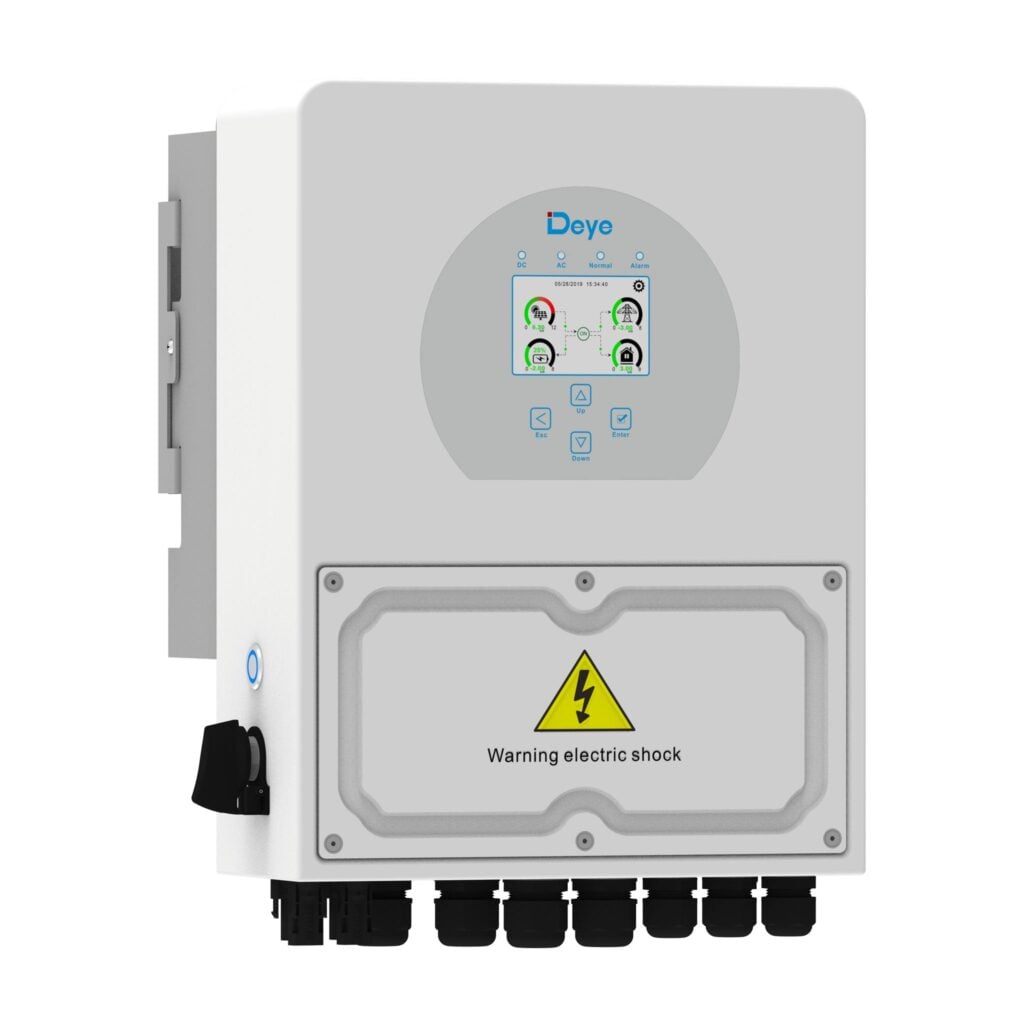
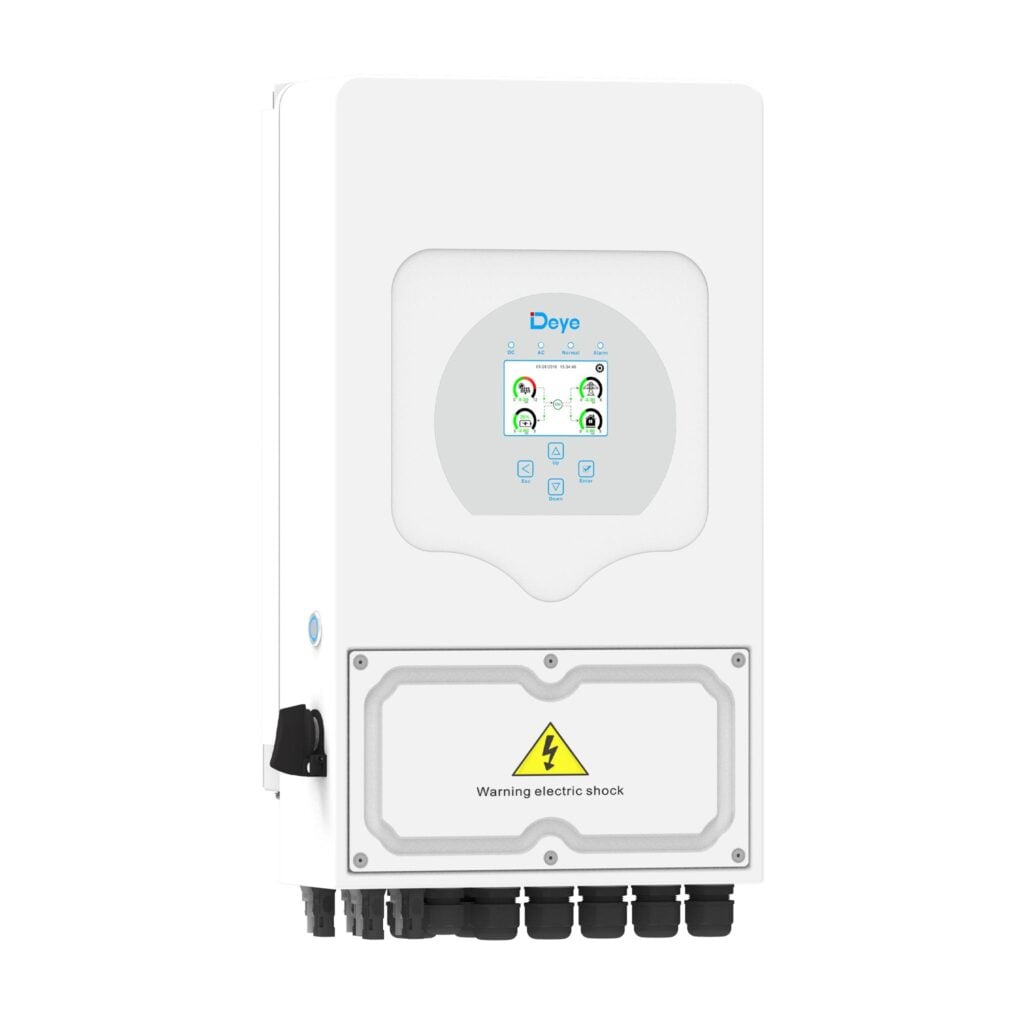
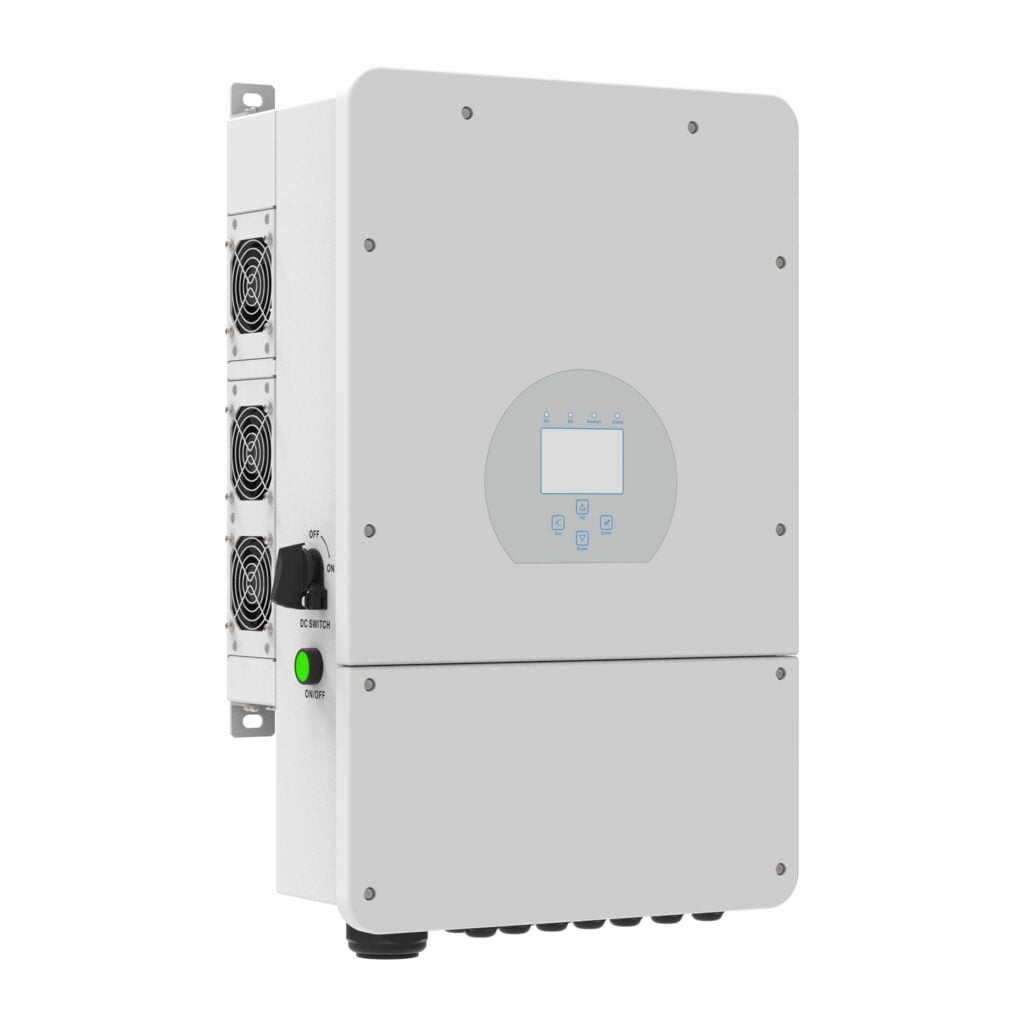
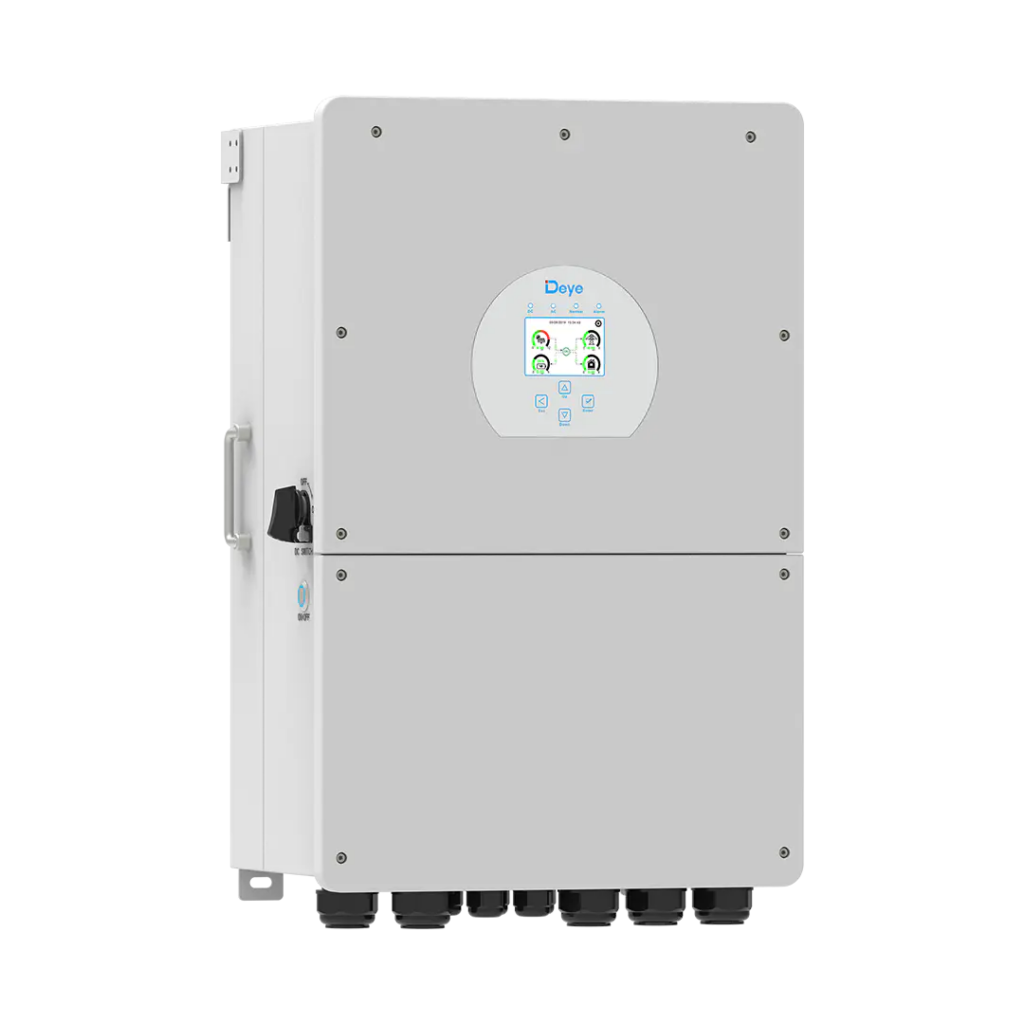
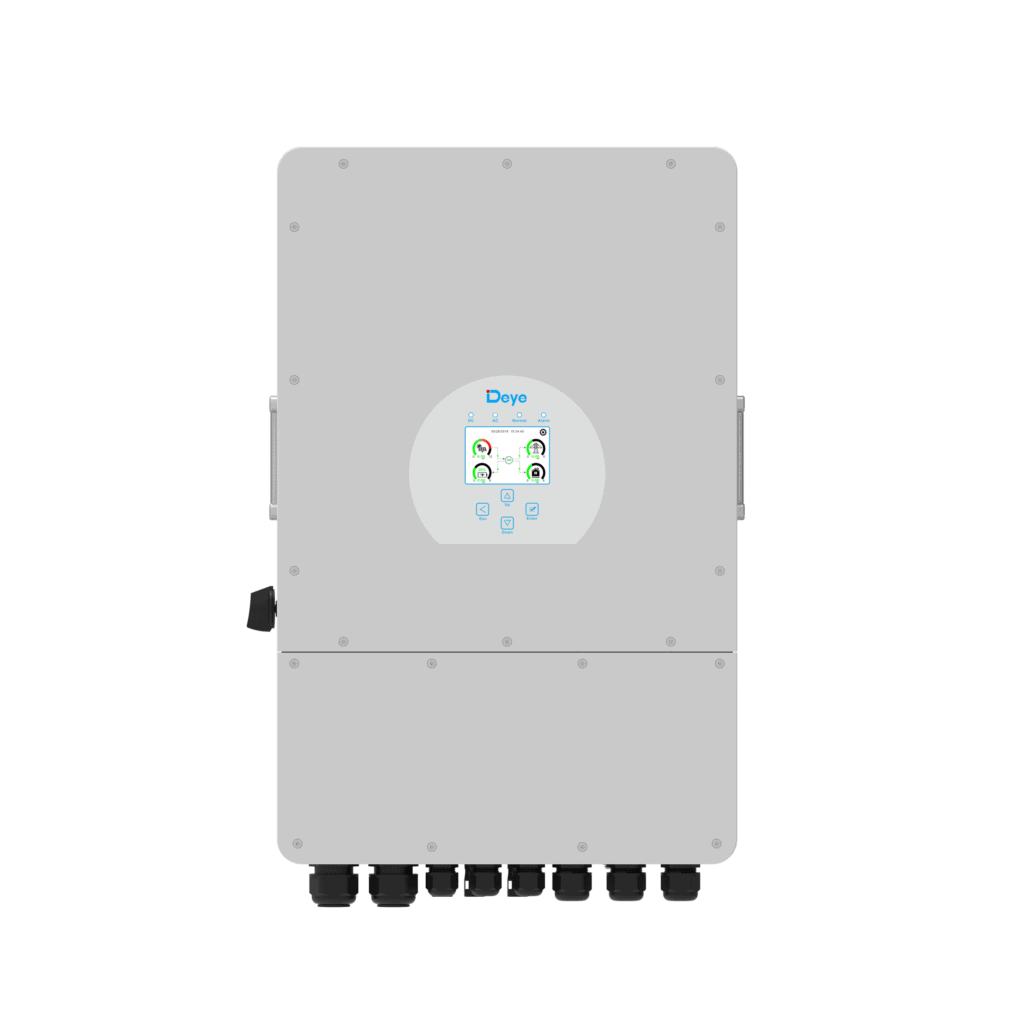
Deye is a leading manufacturer of high quality renewable energy solutions, they really have taken the market by storm in the last 5 years in Australia. The products we absolutely love here in at LiFePO4 Australia is the range of SUN Hybrid Inverters. Starting at just 5000W single phase 48v LV right up to the 16kW single phase LV model which really is groundbreaking.

Deye also makes products for SunSynk and Sol-Ark, along with NoArk who has the products in Australia.

Origins, corporate structure & listing

Deye grew out of Ningbo Deye Technology, a diversified appliance and climate-tech manufacturer founded in 1990 in Ningbo, Zhejiang. In 2007 it spun up Ningbo Deye Inverter Technology to focus on PV power electronics and later energy storage (ESS).

What Deye builds: the product families

1) SUN-series hybrid inverters (residential & C&I)

  • Single-phase 48 V (LV): e.g., SUN-5-16K-SG0(x)LP1-AU variants
  • Three-phase 48 V (LV): SUN-5/6/8/10/12K-SG04LP3-AU for Australia
  • Three-phase high-voltage (HV): Various models from 5K up to 100K

Single Phase Hybrid LV (48v Battery)

Big Residential Hybrid LV Inverters

Three Phase Hybrid LV (48v Battery)

Batteries

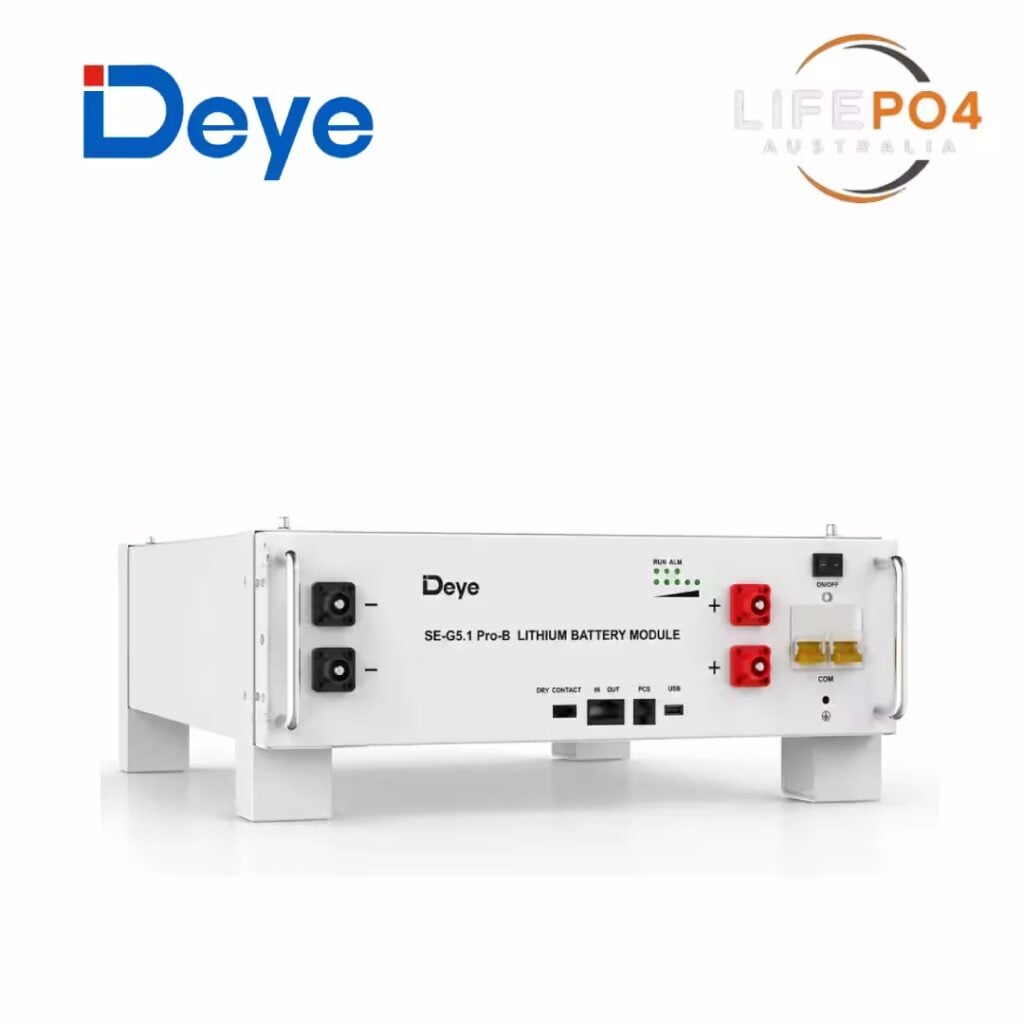
  • Rack – IEC listed (good when no rebates are applicable
  • Stack – CEC approved (rebates)
  • Wall Mount CEC approved (rebates)

Recommended products

Deye is a vertically-integrated Chinese manufacturer that evolved from climate appliances into a full-stack PV-plus-storage supplier. The SUN-series hybrids earned a following by combining feature-dense controls (parallel/off-grid/AC-couple/genset support) with 48 V battery friendliness and region-specific compliance. For Australian projects in 2025, the critical checks are: current AS/NZS 4777.2 Amd 2 compliance, presence on CEC/CER-maintained approved lists, and battery-BMS compatibility per the latest Deye tables. That diligence preserves rebate eligibility, simplifies commissioning, and ensures the hardware behaves exactly as your design expects.

Who is Deye?

Worlds Largest Single Phase Low Voltage Hybrid Inverter

X