Can a Non-CEC Inverter Be Connected to the Australian Grid?
Australian grid connection guide
Can a non-CEC inverter be connected to the Australian grid?
For a normal grid-connected solar or battery system, you should assume the answer is no unless your electricity distributor gives written approval. In practice, Australian DNSPs usually require grid-connected inverters to be on the Clean Energy Council approved inverter list.
Grid-parallel
If the inverter can operate in parallel with the distribution grid, the distributor normally wants a CEC-listed inverter and the correct AS/NZS 4777.2 settings.
Off-grid
A true off-grid system that cannot parallel with the grid is different. CEC grid-listing may not be the same issue, but electrical safety and installation rules still apply.
Zero export
Zero export does not automatically make a system “not grid connected”. If it is connected in parallel with the grid, the DNSP can still require approval and compliant equipment.
The simple answer
The Clean Energy Council does not personally approve your grid connection. Your local electricity distributor, usually called the DNSP, controls the connection process.
However, the CEC approved inverter list is the main product list used across Australia to check whether an inverter has evidence of compliance with the relevant standards. That is why installers, retailers, rebate programs and distributor portals care so much about whether the inverter is CEC-listed.
So while the technical authority is the DNSP, the practical answer is simple: if the inverter is not on the CEC approved inverter list, most normal grid connection applications will be difficult or impossible.
Why “CEC approved” matters
| Area | Why it matters | What to check |
|---|---|---|
| DNSP connection approval | The distributor needs to know the inverter can behave safely and correctly on the grid. | CEC listing, AS/NZS 4777.2 compliance, regional settings and DNSP-specific conditions. |
| STCs and rebates | Financial incentives often require approved components and compliant installation. | Clean Energy Regulator and relevant state or rebate scheme rules. |
| Installer sign-off | A licensed installer may not be willing or able to sign off a non-listed inverter for grid connection. | Exact equipment model, wiring arrangement, commissioning requirements and certificates. |
| Future serviceability | Unsupported or unlisted equipment can become a problem during warranty, inspections, insurance or sale of the property. | Local support, documentation, firmware, distributor approval and compliance evidence. |
What about a Victron Multi RS Solar?
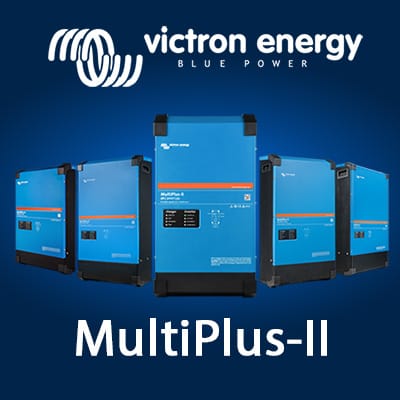
A common example is the Victron Multi RS Solar. It is a capable product for the right application, especially off-grid or specialist systems, but that does not automatically mean it is suitable for Australian grid-parallel connection.
If the exact model is not on the CEC approved inverter list for grid connection, do not assume it can be connected to the grid. Treat it as an off-grid or specialist product unless the local DNSP and a qualified installer confirm otherwise in writing.
When a non-CEC inverter may still be useful
- True off-grid systems with no grid-parallel operation.
- Generator-backed systems where the inverter is not connected to the distribution grid.
- Specialist engineered systems with formal DNSP approval.
- Research, testing or temporary setups that are not connected to the public grid.
When to avoid it
- You want STCs, rebates or a standard grid application.
- The system will export or can operate in parallel with the grid.
- The installer cannot select the inverter in the DNSP portal.
- You need a simple, insurable, supportable home battery installation.
If you still want to try
Some distributors may have a written-approval pathway for unusual equipment, but that is not the same as a general permission to install anything. You would normally need strong evidence, and approval should be sought before purchase.
- Ask the DNSP whether they will assess a CEC-unlisted inverter proposal.
- Ask what certification evidence they require, including AS/NZS 4777.2 evidence.
- Confirm whether CSIP-AUS, dynamic export, emergency backstop or utility-server communication applies.
- Get the answer in writing before spending money on the inverter.
- Do not rely on “zero export” as a workaround unless the DNSP confirms the design is acceptable.
Frequently asked questions
Is the CEC the same as the grid connection authority?
No. The DNSP controls the grid connection process. The CEC approved inverter list is the practical product list used to show an inverter meets relevant standards and is acceptable for many connection and incentive processes.
Can I use a non-CEC inverter if I set it to zero export?
Not automatically. If the inverter is connected in parallel with the grid, your distributor may still treat it as a grid-connected inverter energy system and require approval, compliant settings and approved equipment.
Can I use a non-CEC inverter off-grid?
Possibly, if it is a true off-grid system and installed safely. That is a different question from connecting it to the public distribution grid. Electrical safety, battery standards, isolation, generator integration and local rules still matter.
Will I lose STCs or rebates with a non-CEC inverter?
You may. Many incentive pathways require approved components and compliant installation. Confirm with the Clean Energy Regulator, the rebate program and your installer before assuming the system qualifies.
Useful official references
Want a battery or inverter system that can actually be approved?
Tell us what you are trying to build. We can help separate off-grid equipment, grid-approved inverter choices, DNSP limits and rebate eligibility before you buy the wrong hardware.
Start a system enquiry