Description
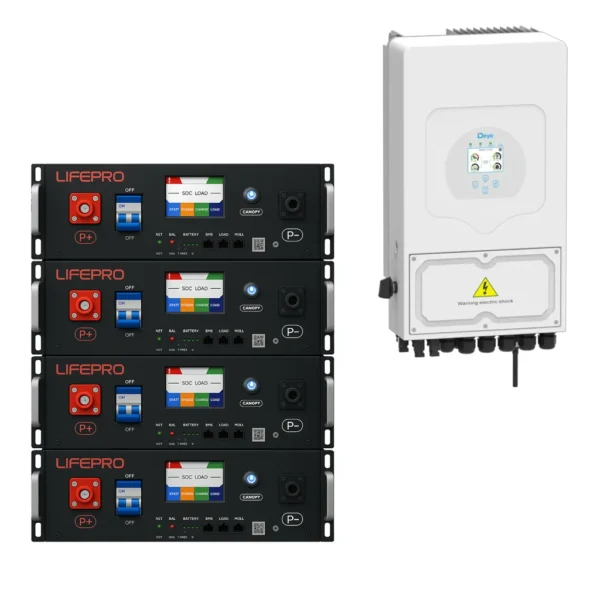
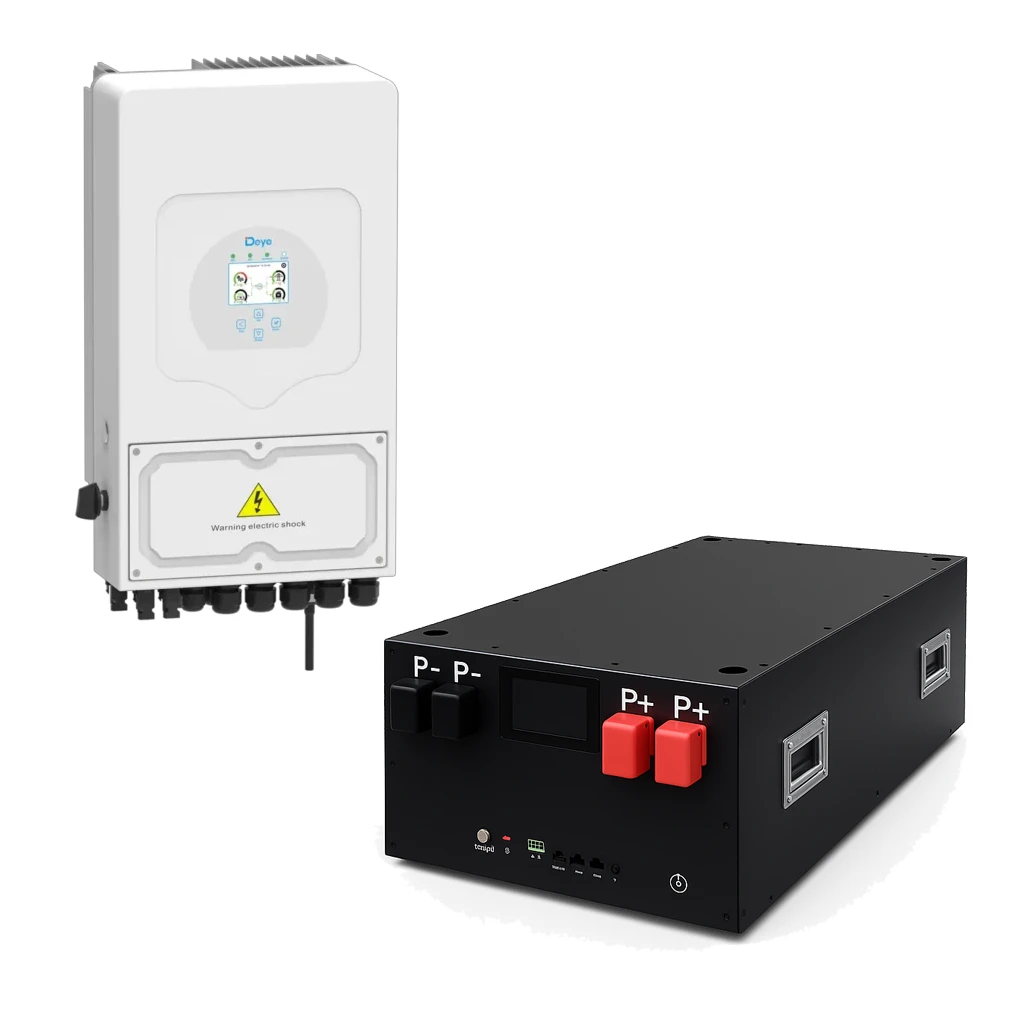
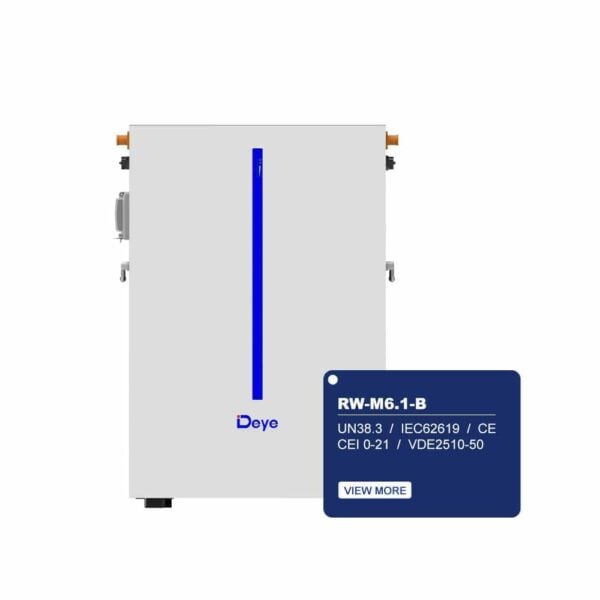
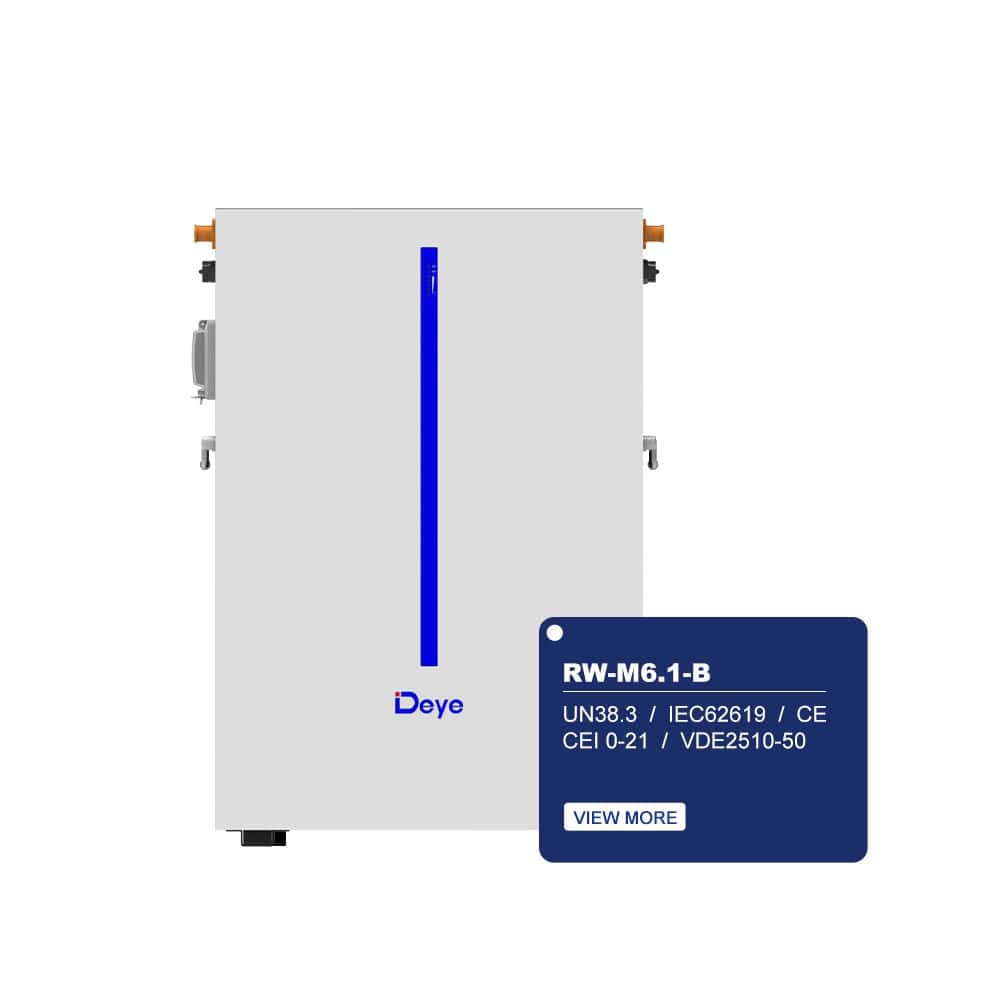
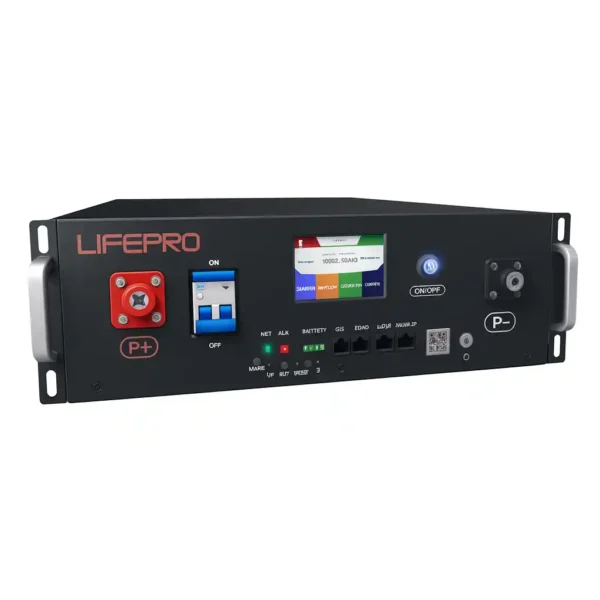
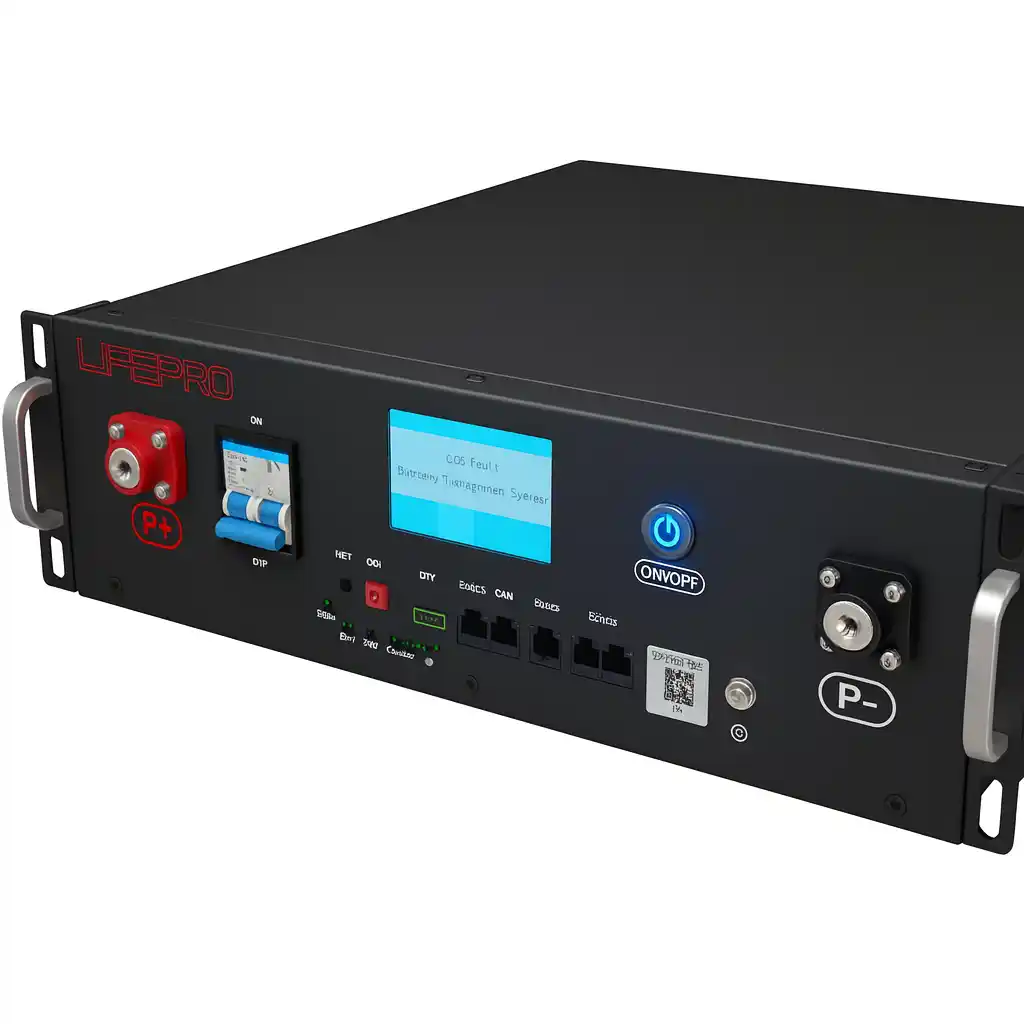
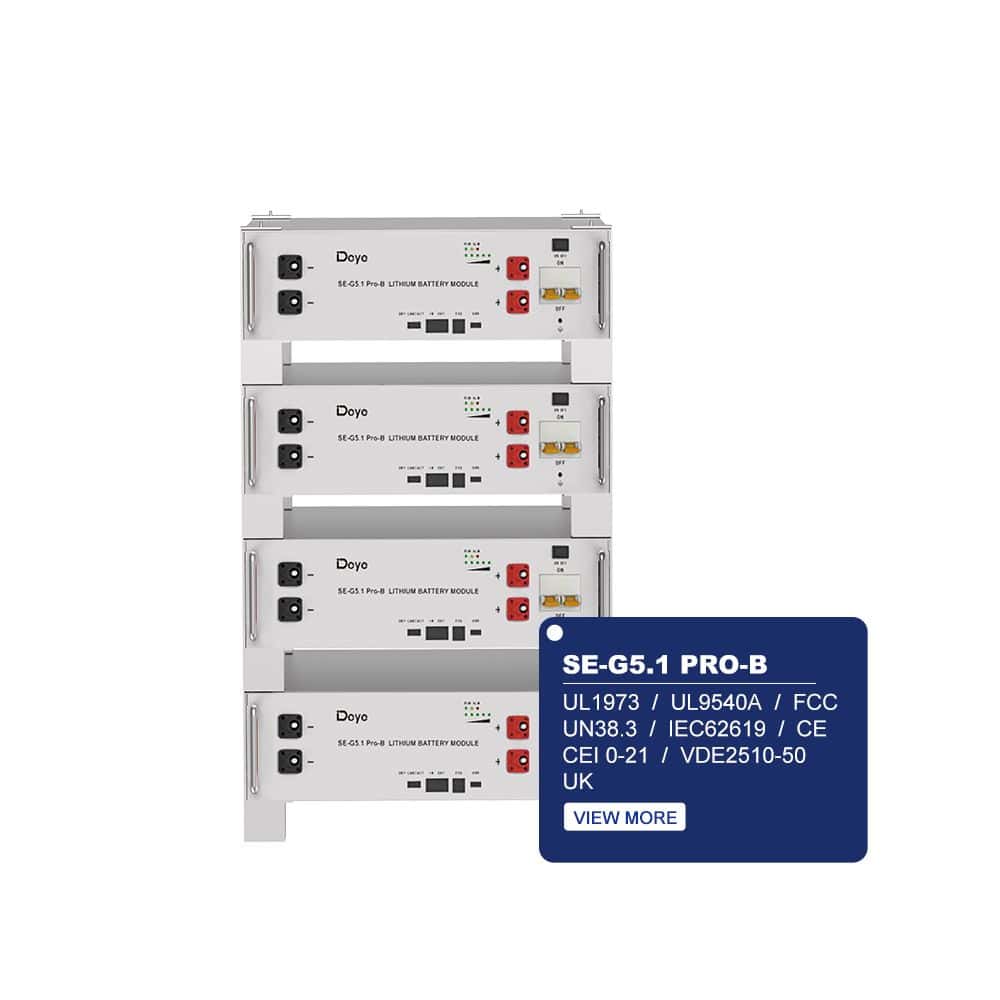
Deye 51.2v 100AH Rack Battery SE-G5.1Pro-B
The Deye SE-G5.1 Pro-B is a cutting-edge 5.12Kwh lithium iron phosphate (LFP) battery designed for safe, reliable, and flexible energy storage solutions.
Technical Specifications:
- Capacity: 100 Ah
- Nominal Voltage: 51.2 V
- Nominal Energy: 5.12 kWh
- Usable Energy: 4.6 kWh
- Dimensions: 440 x 133 x 540 mm
- Weight: Approximately 45 kg
- Warranty Period: 10 years
Not the cheapest battery on the market, but if you need a IEC certifed battery and you plan to use Deye’s own LV Inverter range. This could be an option for you. Deye backs this product with their own 10 year manufacturer warranty.
Certifications
IEC 62619, UL1973, UL9540A, UN 38.3 and more
| Standard | Description | Organization & Importance |
|---|---|---|
| IEC 62619 | A safety standard for secondary (rechargeable) lithium batteries used in industrial applications. It focuses on battery safety requirements during normal operation and failure modes. | IEC (International Electrotechnical Commission): A global organization that develops and publishes international standards for electrical, electronic, and related technologies. Ensures safety, reliability, and interoperability. |
| UL1973 | A safety standard for batteries used in stationary, vehicle auxiliary power, and light electric rail (LER) applications, ensuring safe performance and design under various conditions. | UL (Underwriters Laboratories): A U.S.-based safety certification company that tests and certifies products for safety compliance. UL standards are widely recognized as benchmarks for product reliability. |
| UL9540A | A test method specifically for evaluating the thermal runaway characteristics of battery systems, particularly their propagation risks and safety in energy storage systems. | UL: Plays a critical role in testing fire and thermal safety for batteries, especially in large energy storage systems, ensuring compliance with safety regulations and preventing catastrophic failures. |
| UN 38.3 | A globally recognized test for the safe transportation of lithium batteries. It includes stringent testing for temperature, vibration, shock, and external short-circuit conditions. | UN (United Nations): Administers global transportation regulations, ensuring that lithium batteries meet rigorous safety standards for safe handling and transit across countries. |
Links