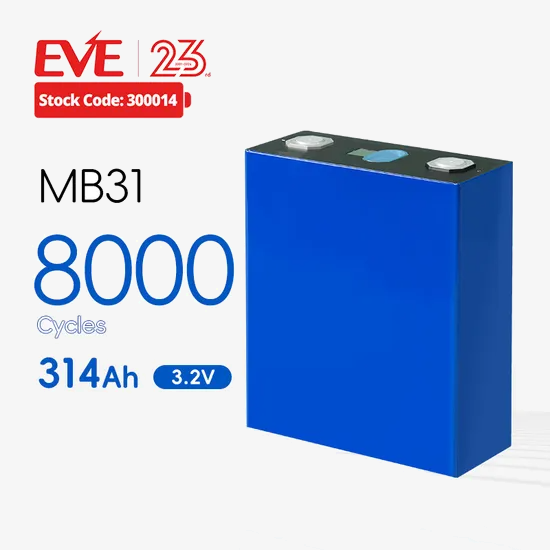
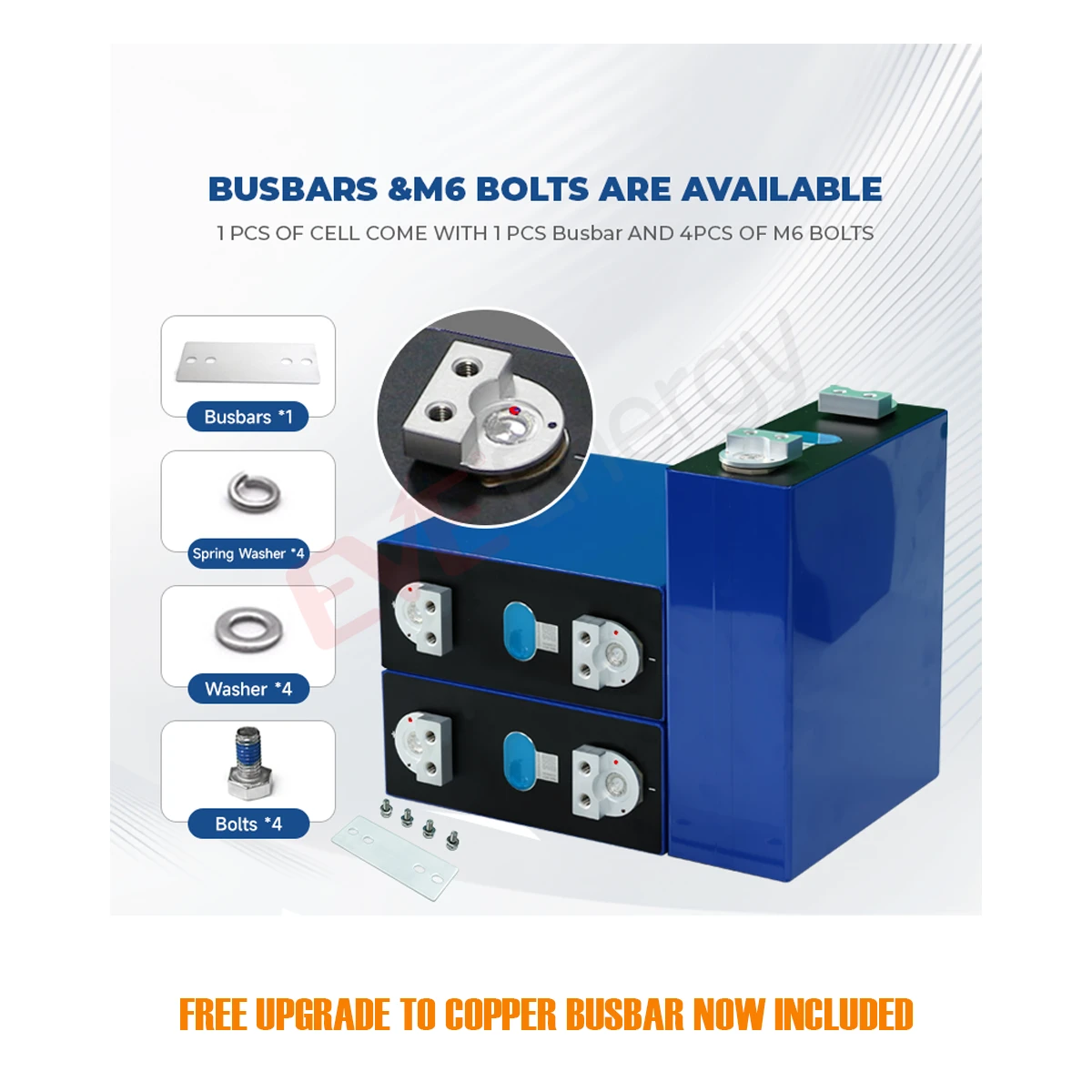
While these batteries are designed for robust performance across a wide temperature range—discharge from -30°C to 60°C and charging from 2°C to 60°C—they operate most efficiently around 25°C. Using them outside this ideal range is possible (as per the manufacturer's certifications like MSDS, UN38.3, and CE), but it can impact the battery's cycle life, which refers to how many full charge-discharge cycles the battery can handle before its capacity drops significantly (typically to 80% of original). I'll break this down for cold and hot conditions below, focusing on how temperature affects performance and longevity.
Operating in Cold Temperatures (Below 25°C, Especially Near or Below 2°C for Charging)
Cold environments slow down the chemical reactions inside the battery, which can lead to reduced efficiency and faster degradation over time. Here's what typically happens:
- During Discharge (e.g., powering devices): The battery can still function down to -30°C, but its available capacity might decrease by 10-30% or more compared to room temperature. This is because the electrolyte thickens, increasing internal resistance and making it harder for ions to move. While this doesn't immediately damage the cell, repeated cold discharges can stress the materials, leading to a shorter cycle life—potentially reducing it by 20-50% over hundreds of cycles, depending on how cold and frequent the exposure is.
- During Charging (Limited to Above 2°C): Charging below 2°C is not recommended and could void warranties, as it risks "lithium plating," where lithium metal deposits on the anode instead of integrating properly. This plating reduces capacity, increases the risk of internal shorts, and can shorten cycle life dramatically (e.g., from thousands of cycles at 25°C to just hundreds in extreme cold). Even between 2°C and 25°C, charging is slower and less efficient, accelerating wear on the battery's solid electrolyte interphase (SEI) layer, which protects the electrodes but degrades faster in suboptimal conditions.
In summary, cold use prioritizes safety by limiting charging, but it trades off longevity. For best results, we suggest warming the battery (e.g., via a heater or insulated enclosure) before charging in cold climates to preserve cycle life.
Operating in Hot Temperatures (Above 25°C, Especially Near or Above 60°C)
Heat speeds up chemical reactions, which can boost short-term performance but causes accelerated aging and capacity loss. Key effects include:
- During Discharge and Charging: Above 25°C, the battery might deliver slightly more power initially due to lower resistance, but prolonged exposure to temperatures up to 60°C breaks down the electrolyte and thickens the SEI layer. This leads to irreversible capacity fade—meaning the battery holds less charge over time. For instance, at 40-50°C, cycle life could drop by 30-60% compared to 25°C, and at 60°C, it might halve or worse, depending on usage patterns.
- Overall Degradation: High heat promotes side reactions, like electrode material dissolution or gas formation, which can swell the cell or reduce its efficiency. If temperatures exceed 60°C regularly, safety risks increase (e.g., thermal runaway), though LFP chemistry is inherently safer than other lithium-ion types due to its stable structure.
To mitigate this, ensure good ventilation, avoid direct sunlight, or use cooling systems in hot environments. The cells are certified for these ranges, but sticking closer to 25°C will help achieve the rated cycle life (often 2,000-5,000 cycles or more at optimal conditions).
General Advice
While our LFP cells are versatile and safe across these temperatures, the key takeaway is that deviations from 25°C reduce cycle life by increasing stress on internal components. The exact impact varies based on factors like depth of discharge, charge rate, and how often the extremes occur—milder deviations (e.g., 15°C or 35°C) have less effect than extremes.